2026 Best Business Furniture Trends for Global Buyers?
As we approach 2026, the world of business furniture is evolving at a rapid pace. Buyers are faced with an array of options that blend functionality, style, and sustainability. Today’s market demands furniture that not only looks good but also promotes productivity and well-being in the workplace.
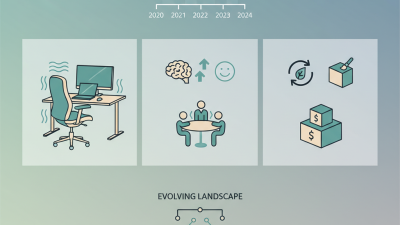
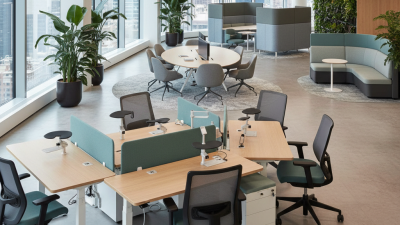
Innovations in design are reshaping the way business environments function. Flexible workspaces are becoming essential, emphasizing adaptability in furniture solutions. Features like modular designs and ergonomic considerations are gaining traction. This reflects a deeper understanding of the needs of modern employees. However, not every trend will be suitable for every business. Companies must assess their unique requirements.
Sustainability is another critical focus. More buyers are seeking eco-friendly materials and practices in business furniture. Yet, navigating this landscape can be complex and filled with marketing jargon. The challenge lies in distinguishing genuinely sustainable products from those that only claim to be. As we delve into the prominent trends of 2026, it's crucial for global buyers to remain informed and critical of their choices in business furniture.
Emerging Biophilic Design Trends in Business Furniture for 2026
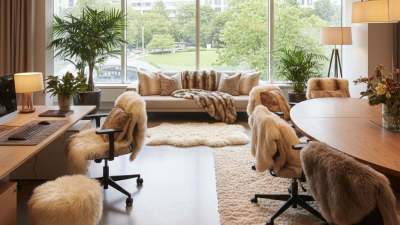
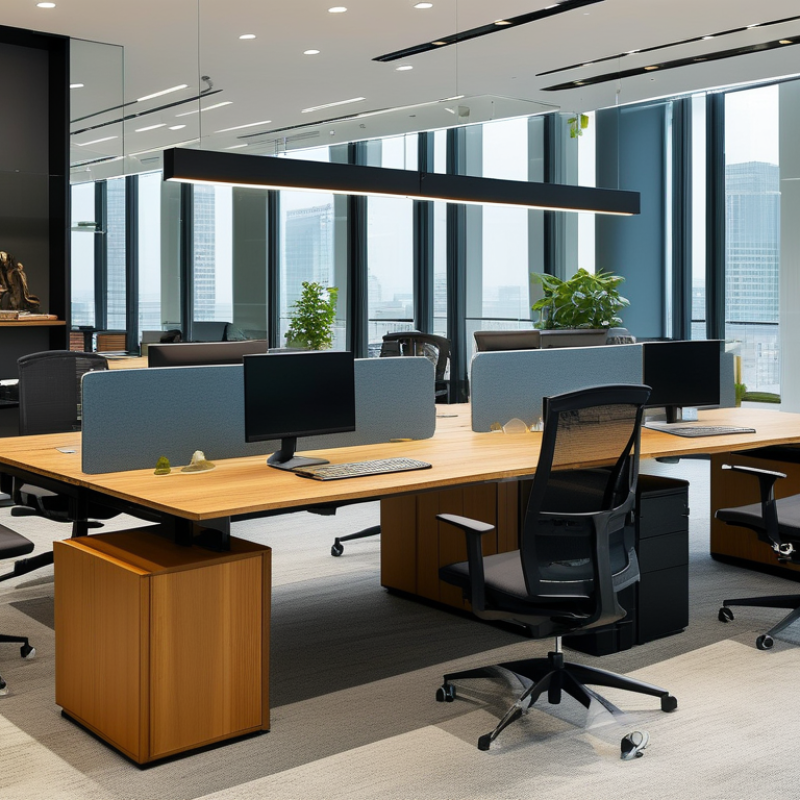
Biophilic design is reshaping business furniture trends for 2026. This approach connects people with nature, enhancing well-being. Natural materials, such as wood and stone, will dominate. Living walls and indoor gardens are becoming popular features in office spaces. These elements promote relaxation and creativity, making work environments more inviting.
Furniture that mimics natural forms will also gain traction. Curved desks and organic shapes can create a sense of harmony. Ergonomic designs, which support physical health, will remain essential. However, finding the right balance between aesthetics and functionality can be challenging. Businesses must consider how these designs fit their specific needs.
Green color palettes will reflect the outdoor world, promoting calmness. Accessories like planters and nature-themed artwork will further integrate this theme. But companies should assess their unique cultural context to avoid superficial applications. Ultimately, the goal is to create spaces that inspire and motivate employees while remaining practical.
2026 Best Business Furniture Trends for Global Buyers
| Trend |
Description |
Key Features |
Expected Impact |
| Sustainable Materials |
Use of recycled and eco-friendly materials in furniture design. |
Recycled wood, biodegradable plastics, metal finishes. |
Reduces carbon footprint and promotes sustainability. |
| Biophilic Design |
Incorporation of natural elements to improve workplace well-being. |
Natural lighting, plants integration, organic shapes. |
Enhances employee productivity and reduces stress. |
| Modular Furniture |
Flexible furniture arrangements to adapt to changing needs. |
Interchangeable components, movable partitions, adaptable styles. |
Supports collaborative work and enhances space utilization. |
| Smart Furniture |
Integration of technology to enhance functionality. |
Wireless charging, built-in speakers, adjustable settings. |
Improves connectivity and supports modern work habits. |
| Ergonomic Designs |
Focus on user comfort and health in workplace furniture. |
Adjustable chairs, standing desks, lumbar support. |
Reduces injury risk and enhances employee satisfaction. |
Sustainable Materials and Their Impact on Business Furniture Purchases
The trend towards sustainable materials in business furniture is shaping purchasing decisions globally. Buyers are increasingly seeking furniture made from eco-friendly resources. This shift reflects a broader commitment to environmental responsibility. Materials like reclaimed wood, recycled metal, and bioplastics are gaining prominence. These choices not only reduce waste but also promote a circular economy.
However, the rise of sustainable materials is not without challenges. Many manufacturers struggle with sourcing these materials at scale. There is often a trade-off between cost and sustainability. Buyers face the dilemma of balancing budget constraints with ethical considerations. Furthermore, the durability and longevity of sustainable products can vary. This inconsistency poses a risk for businesses investing in these options.
The impact of these materials extends beyond immediate purchases. They influence corporate values and employee well-being. Companies that prioritize sustainability often see improved employee morale. Yet, it's crucial for buyers to research the suppliers thoroughly. Not all companies are transparent about their sourcing practices. This scrutiny is necessary to ensure that purchases align with genuine sustainability goals.
2026 Best Business Furniture Trends for Global Buyers
Ergonomic Innovations Driving Productivity in Office Furniture Solutions
The trend toward ergonomic furniture continues to rise as companies prioritize employee well-being. In 2026, global buyers will likely seek furniture that not only enhances comfort but also boosts productivity. Ergonomic features such as adjustable desks and supportive chairs have become essential in modern workspaces. These innovations are designed to reduce strain and promote healthy posture throughout the workday.
Investing in ergonomic solutions is not just trendy; it’s a necessity for fostering a productive environment. An increasing number of studies highlight the direct link between comfort and efficiency. However, implementing these trends requires careful consideration. Different workspaces have unique needs. A one-size-fits-all approach may lead to discomfort for some employees.
Moreover, the challenge also lies in adapting existing office layouts to accommodate new ergonomic solutions. It’s important for buyers to evaluate their specific requirements. Making informed choices can lead to long-term benefits. Continuous feedback from employees can help refine these furniture selections. Embracing ergonomic innovations may require patience, but their impact on workplace dynamics is undeniable.
Smart Office Furniture Integrations and Technology Enhancements in 2026
The landscape of office furniture is rapidly evolving, influenced by a blend of technology integration and smart design. In 2026, the trend is shifting towards furniture that not only serves a functional purpose but also enhances the workplace experience. According to a recent report by the International Workplace Group, 80% of employees feel more productive in environments with integrated technology. This reflects a growing demand for smart office furniture that seamlessly combines with digital tools.
Smart desks and collaborative workstations are at the forefront of this trend. These furniture pieces often include built-in charging ports and adjustable features that cater to individual working styles. A study by Steelcase highlights that adjustable desks can lead to a 30% reduction in workplace discomfort. However, while such innovations are promising, there are challenges. Many companies struggle to keep pace with fast-changing technology and the associated costs of implementation.
Manufacturers are responding by creating modular furniture solutions that can adapt to changing needs. These flexible designs support remote work dynamics, yet the lack of standardization in technology integration often complicates usability. As global buyers navigate these choices in 2026, they must consider not just aesthetics but also functionality and adaptability of office furniture. This comprehensive approach can make a significant difference in building a future-ready workspace.
Increasing Versatility and Adaptability in Modular Furniture Designs
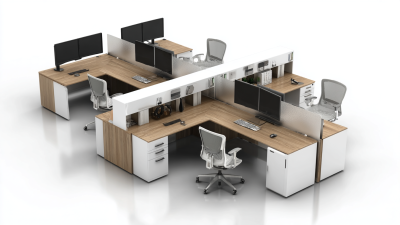
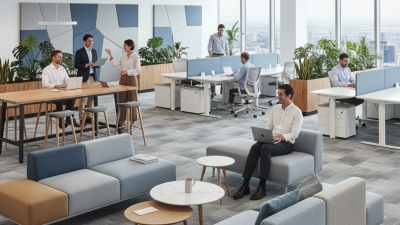
In 2026, modular furniture will play a vital role in office design. Buyers are increasingly drawn to versatile and adaptable options that can fit various spaces. Today’s work environments are ever-evolving, and furniture must adapt to this fluidity. Modular designs promote collaboration, allowing teams to reconfigure spaces swiftly. This flexibility is essential for fostering innovation and meeting changing needs.
Being mindful of functionality is crucial. Choose furniture that can be easily reassembled or adjusted. Look for pieces that offer multi-purpose use, providing storage, seating, and workspace in one. Consider how each piece can serve different roles throughout the day.
Reflecting on the importance of comfort is key. Not every modular design caters to user comfort. Observe how the pieces align with employees' needs. Incorporate ergonomic principles to avoid fatigue. This will ensure a more productive environment where creativity can thrive. Always prioritize quality and durability to withstand constant movement and redesign.