What Is the Best China Work Office Furniture?
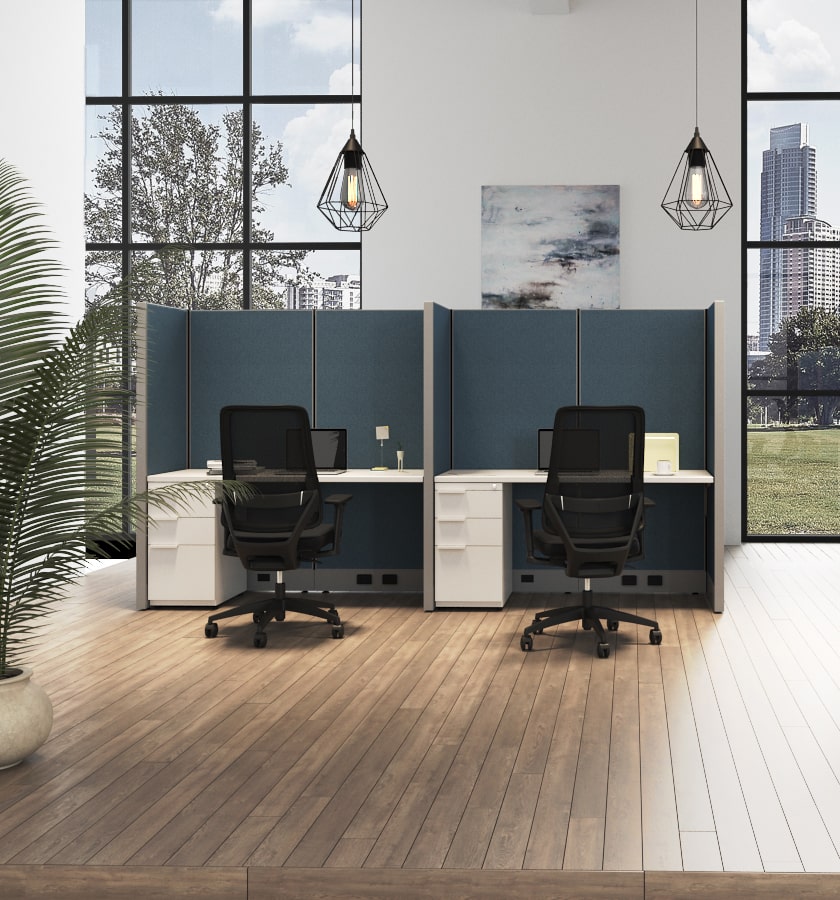
Choosing the best work office furniture is not simply a matter of appearance or price. It requires careful attention to posture, movement, collaboration, storage, and long-term durability. A well-designed chair should support the lower back, adjust smoothly, and remain comfortable after several focused hours. A suitable desk should provide enough depth for a monitor, keyboard, documents, and natural arm movement.
George Nelson, a respected designer and former Herman Miller design director, said, “Design is a plan for arranging elements in such a way as best to accomplish a particular purpose.” His statement remains highly relevant to modern office planning. The best work office furniture should serve real tasks, not follow temporary trends. It must fit the people using it.
Details matter. Desk height affects shoulder tension. Glare from a polished surface can strain the eyes. Weak casters may damage flooring or create distracting noise. Modular tables can support changing teams, while private storage keeps shared spaces orderly. These choices influence productivity, comfort, and the perceived professionalism of a workplace.
Still, no single furniture package suits every company. That is the uncomfortable part. A stylish chair may perform poorly during long meetings. A cheaper desk may become unstable within a year. Even expert recommendations need testing in the actual room. Therefore, this guide compares materials, ergonomic features, layouts, maintenance needs, and value. It also considers where common buying advice falls short. The goal is practical judgment, not a perfect showroom image.
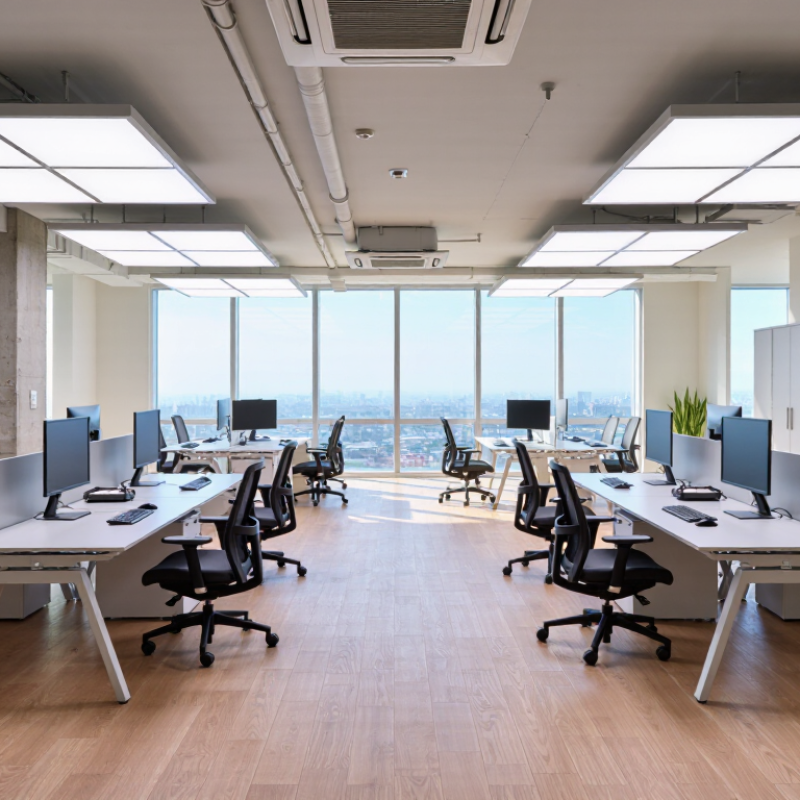
Table of Contents
[Hide]
China Office Furniture Scope: Desks, Chairs, Storage, and Collaborative Systems
What Is the Best China Work Office Furniture?
A strong China office furniture plan starts with the workday, not a catalog. Desks should match tasks, body sizes, and available floor space. Adjustable-height desks support varied postures during long computer sessions. Check frame stability, edge finishing, cable access, and lifting noise before ordering. A desk that looks elegant may still wobble under two monitors.
Chairs need practical testing. Sit for at least fifteen minutes, if possible. Look for adjustable seat depth, lumbar support, armrests, and a breathable back. Ask for load testing records and replacement-part availability. Storage also shapes daily efficiency. Lockable pedestals protect documents, while tall cabinets use vertical space carefully. Confirm drawer alignment, anti-tip protection, and surface durability. Small details matter.
Collaborative systems can connect meeting tables, writable panels, acoustic screens, and movable seating. They should support quick changes, not create a crowded maze. Measure walking routes and power points before installation. Request material samples, assembly drawings, inspection photos, and a pre-shipment check. Clear specifications reduce misunderstandings between buyers and factories. Still, no checklist catches everything. We once underestimated delivery access, and a large cabinet needed partial disassembly onsite. That mistake changed our planning. During the next project, we measured door widths twice.
What Is the Best China Work Office Furniture? - China Office Furniture Scope: Desks, Chairs, Storage, and Collaborative Systems
| Category | Furniture Type | Typical Dimensions | Recommended Capacity | Key Functional Requirements | Common Materials and Construction | Best Application | Practical Evaluation Points |
|---|---|---|---|---|---|---|---|
| Desks | Single Workstation Desk | Width: 1,200–1,600 mm Depth: 600–800 mm Height: approximately 720–750 mm |
1 user |
|
Melamine-faced particleboard or fiberboard, powder-coated steel frame, PVC or ABS edge banding | Individual offices, open-plan workstations, and compact commercial offices | Check desktop stability, edge durability, frame load capacity, cable access, and ease of assembly. |
| Desks | Executive Desk | Width: 1,600–2,400 mm Depth: 800–1,000 mm Height: approximately 720–750 mm |
1 user, with visitor seating |
|
Veneer, laminate, solid wood components, engineered wood core, and metal support structure | Private offices, management offices, and client-facing rooms | Evaluate surface resistance, structural rigidity, storage integration, finish consistency, and cable routing. |
| Desks | Height-Adjustable Sit-Stand Desk | Width: 1,200–1,800 mm Depth: 600–800 mm Adjustable height: commonly about 650–1,250 mm |
1 user |
|
Engineered-wood desktop, steel lifting columns, electronic control panel, and cable tray | Activity-based offices, ergonomic work areas, and flexible workstations | Compare adjustment range, lifting capacity, operating noise, cycle durability, wobble control, and warranty support. |
| Desks | Bench Workstation | Desk depth per user: 600–800 mm Typical two-sided module width: 1,200–1,600 mm Height: approximately 720–750 mm |
2–6 users per module |
|
Modular laminate tops, steel frames, cable trays, modesty panels, and acoustic screens | Open-plan offices, project teams, and high-density work areas | Assess reconfiguration speed, privacy options, power distribution, desk alignment, and under-desk accessibility. |
| Desks | Meeting Table | Height: approximately 720–750 mm Typical width: 900–1,200 mm Length: approximately 1,800–4,800 mm |
4–12 users, depending on length |
|
Laminate, veneer, solid-surface tops, steel or aluminum bases, and integrated power modules | Meeting rooms, boardrooms, training rooms, and hybrid conference spaces | Review table stability, leg placement, cable access, cleanability, acoustic impact, and compatibility with room technology. |
| Chairs | Task Chair | Seat height adjustment: commonly about 400–520 mm Seat width: approximately 450–520 mm Seat depth: approximately 400–480 mm |
1 user |
|
Molded foam, breathable mesh or fabric, reinforced polymer, aluminum or steel base | Daily computer work and general office use | Test adjustability, lumbar support, recline control, armrest range, caster performance, and long-term cushion recovery. |
| Chairs | Ergonomic Mesh Chair | Seat height adjustment: commonly about 420–530 mm Back height: approximately 550–700 mm |
1 user |
|
Polyester or elastomeric mesh, molded foam seat, reinforced nylon or aluminum base | Long-duration workstation use and warm or humid office environments | Inspect mesh tension, frame strength, lumbar adjustability, recline smoothness, and resistance to abrasion. |
| Chairs | Visitor or Guest Chair | Seat height: approximately 430–480 mm Overall width: approximately 500–650 mm |
1 user |
|
Upholstered fabric, polypropylene, molded foam, steel sled frame, or four-leg steel frame | Reception areas, private offices, meeting rooms, and waiting spaces | Evaluate cleanability, stacking height, floor protection, frame weld quality, and seat comfort. |
| Chairs | Training or Nesting Chair | Seat height: approximately 430–480 mm Typical width: 500–600 mm |
1 user per chair |
|
Polypropylene or upholstered shell, steel frame, casters or glides, optional tablet arm | Training rooms, seminar rooms, multipurpose spaces, and event areas | Check nesting efficiency, tablet stability, transport handles, durability, and ease of cleaning. |
| Storage | Mobile Pedestal | Width: approximately 390–450 mm Depth: approximately 500–600 mm Height: approximately 550–650 mm |
Personal storage for 1 user |
|
Powder-coated steel or melamine-faced engineered wood with metal drawer runners | Open-plan workstations and offices requiring flexible personal storage | Assess anti-tilt protection, drawer load capacity, lock quality, caster durability, and alignment. |
| Storage | Lateral Filing Cabinet | Width: approximately 800–1,200 mm Depth: approximately 400–500 mm Height: approximately 700–1,200 mm |
Shared storage for 2–8 users |
|
Powder-coated steel, reinforced drawer bodies, telescopic runners, and central or individual locking | Departmental filing, document storage, and low-height space division | Check drawer extension, load rating, anti-tip function, corrosion resistance, and compatibility with file formats. |
| Storage | Storage Credenza | Width: approximately 1,200–2,400 mm Depth: approximately 400–600 mm Height: approximately 700–900 mm |
Shared storage for 2–10 users |
|
Melamine-faced board, veneer, laminate, metal fittings, soft-close hinges, and adjustable shelving | Executive offices, meeting rooms, collaborative zones, and shared equipment areas | Evaluate shelf loading, door alignment, ventilation for equipment, edge protection, and leveling feet. |
| Storage | Tall Storage Cabinet | Width: approximately 800–1,000 mm Depth: approximately 400–500 mm Height: approximately 1,800–2,100 mm |
Shared storage for 4–12 users |
|
Steel or engineered wood carcass, adjustable shelves, concealed hinges, and keyed or electronic lock | Archives, supply rooms, back-office areas, and secure document storage | Confirm maximum shelf load, anchoring provisions, door swing clearance, lock reliability, and surface finish. |
| Collaborative Systems | Modular Meeting Booth | Two-person footprint: approximately 1,800–2,400 mm wide Four-person footprint: approximately 2,200–3,000 mm wide |
2–4 users |
|
Acoustic PET or fabric panels, engineered-wood frame, upholstered seating, laminate table, and metal hardware | Open-plan offices, private calls, focused teamwork, and short hybrid meetings | Assess acoustic performance, air circulation, lighting quality, accessibility, cleanability, and installation requirements. |
| Collaborative Systems | Modular Collaboration Table | Width: approximately 900–1,200 mm Length: approximately 1,800–3,600 mm Height: 720–1,100 mm, depending on model |
4–10 users |
|
Laminate or solid-surface top, steel or aluminum frame, casters, cable management, and modular connectors | Project zones, agile work areas, workshops, and informal meetings | Review mobility, locking casters, table stability, power access, surface durability, and storage compatibility. |
| Collaborative Systems | Mobile Whiteboard or Writable Screen | Typical board width: 900–1,800 mm Typical height: 1,200–1,800 mm |
4–12 users, depending on viewing distance |
|
Porcelain-enamel or coated steel writing surface, aluminum frame, steel base, and lockable casters | Brainstorming areas, training rooms, project rooms, and flexible meeting spaces | Check marker compatibility, stain resistance, frame rigidity, mobility, viewing height, and replacement-part availability. |
| Collaborative Systems | Acoustic Screen and Space Divider | Desk-mounted height: approximately 350–600 mm above the desktop Freestanding height: approximately 1,200–1,800 mm |
Supports individual or team zones |
|
Recycled PET felt, mineral fiber, acoustic foam, fabric upholstery, aluminum profiles, or steel feet | Open offices, focus areas, team neighborhoods, and reception zones | Compare acoustic rating, fire performance, fabric durability, mounting method, cleanability, and reconfiguration speed. |
| Collaborative Systems | Modular Lounge Seating | Seat height: approximately 400–460 mm Seat depth: approximately 450–600 mm Module width: approximately 600–1,200 mm |
2–8 users |
|
High-resilience foam, commercial-grade fabric or synthetic upholstery, engineered-wood frame, and steel connectors | Breakout areas, reception spaces, informal meeting zones, and employee lounges | Evaluate foam density, upholstery abrasion resistance, modular stability, cleanability, fire performance, and replacement options. |
Related Posts
-
Why Is Office Furniture Important for Global Buyers?
-
What Are the Top System Furniture Types in 2026?
-
Top 10 Corporate Furniture Trends to Transform Your Office Space
-
How to Choose Corporate Furniture That Boosts Productivity?
-
2026 Best Workstation Furniture for Enhanced Productivity?
-
10 Best Office Cabinets for Every Workspace?