In the realm of office interiors, design plays a crucial role in shaping employee productivity and morale. Jason Hsu, a renowned expert in workplace design, once stated, "An inspiring office environment fuels creativity and collaboration." This insight underlines the importance of well-thought-out office spaces.
A thoughtfully designed workspace can influence how employees interact. It's not just about aesthetics; practicality matters too. For instance, an open layout can promote collaboration, while quiet zones offer essential solitude. However, achieving the perfect balance is often challenging.
Designing office interiors requires constant reflection. What works for one company might not suit another. As trends evolve, so do the needs of the workforce. The inspiration for a fresh workspace can come from observing these shifts. Embracing imperfections in design can lead to innovative solutions.
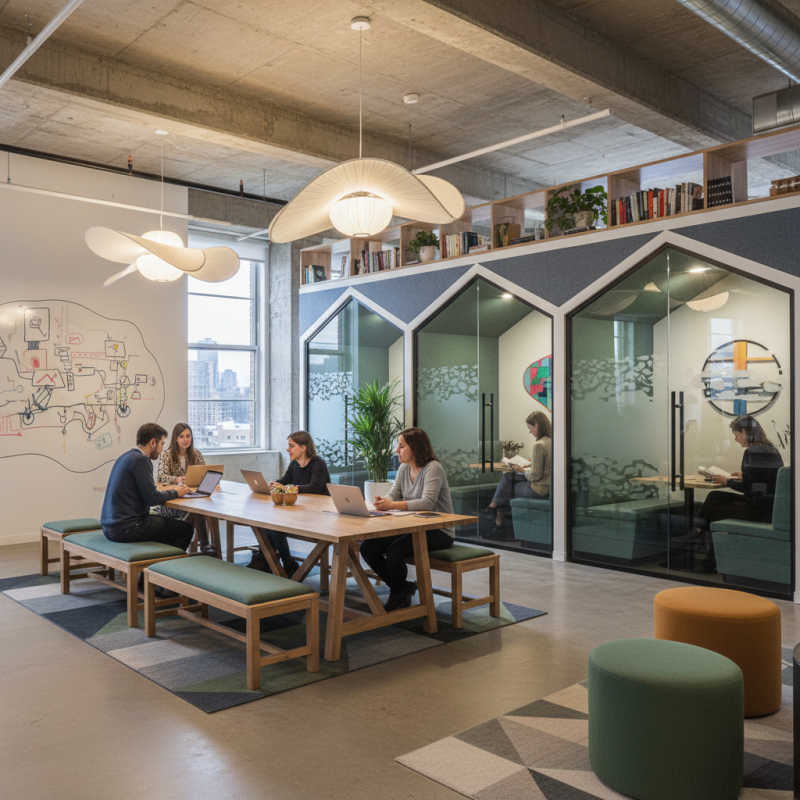
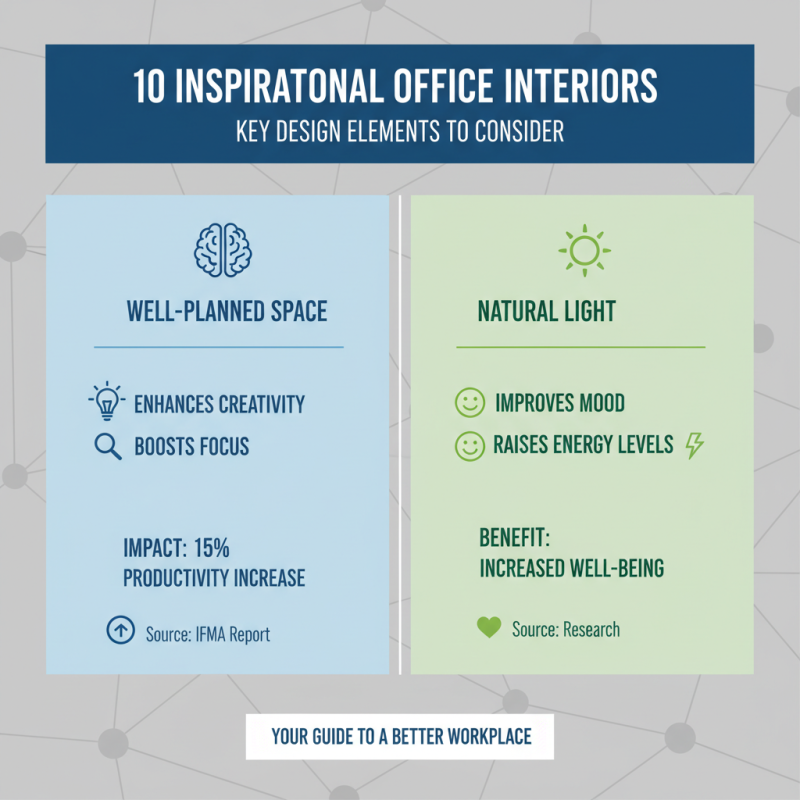
Creating an inspiring office interior hinges on several key design elements that influence employee productivity and well-being. According to a report by the International Facility Management Association, workplace design can directly impact job satisfaction. A well-planned space can enhance creativity and focus. Incorporating ample natural light, for example, has been shown to improve mood and energy levels. Research indicates that employees who work in open, well-lit environments report a 15% increase in productivity.
Flexibility in workspace design is also critical. Studies reveal that 77% of employees express a desire for adaptable workspaces. This can include different areas for collaboration, quiet work, and leisure. Additionally, biophilic design, which integrates natural elements, is gaining traction. A survey found that 90% of employees prefer working in environments that incorporate plants and natural materials. The use of soft furnishings and personal touches can also enhance comfort, making a space feel less sterile.
However, there are pitfalls to avoid. Overly open spaces can lead to distractions. Similarly, too much personalization may disrupt a unified aesthetic. Balancing individuality with professionalism is essential. Regular feedback from employees can help refine the design, ensuring that it meets diverse needs and preferences. Ultimately, creating an ideal workspace is an ongoing journey that requires attention and adjustment.
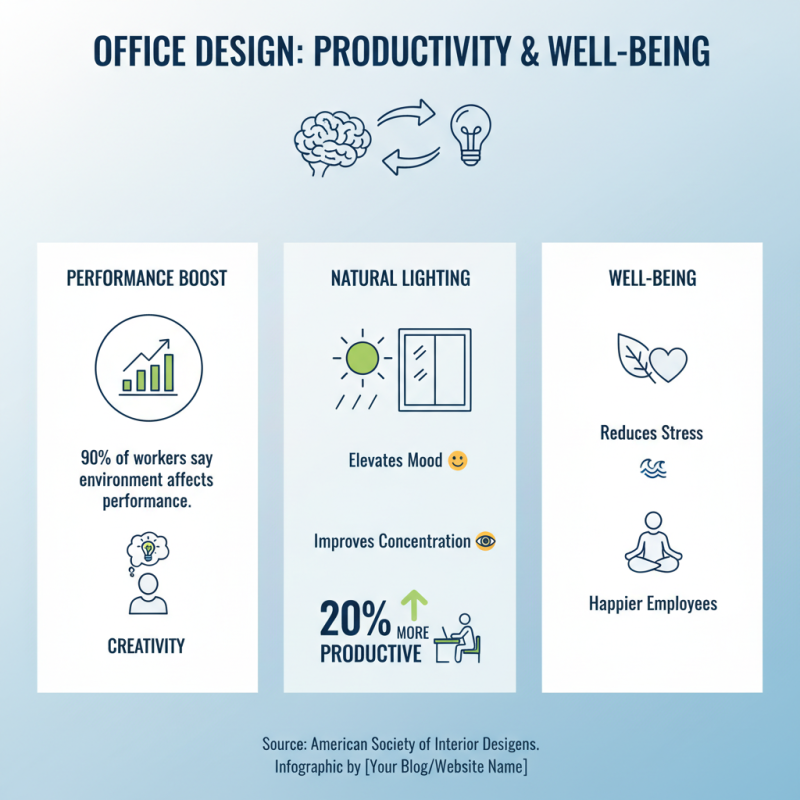
Office design plays a crucial role in employee productivity and well-being. Research by the American Society of Interior Designers shows that 90% of workers feel their environment impacts their performance. An engaging workspace fosters creativity and helps reduce stress. Natural lighting, such as windows and skylights, can elevate mood and improve concentration. Studies suggest that employees in well-lit areas are 20% more productive.
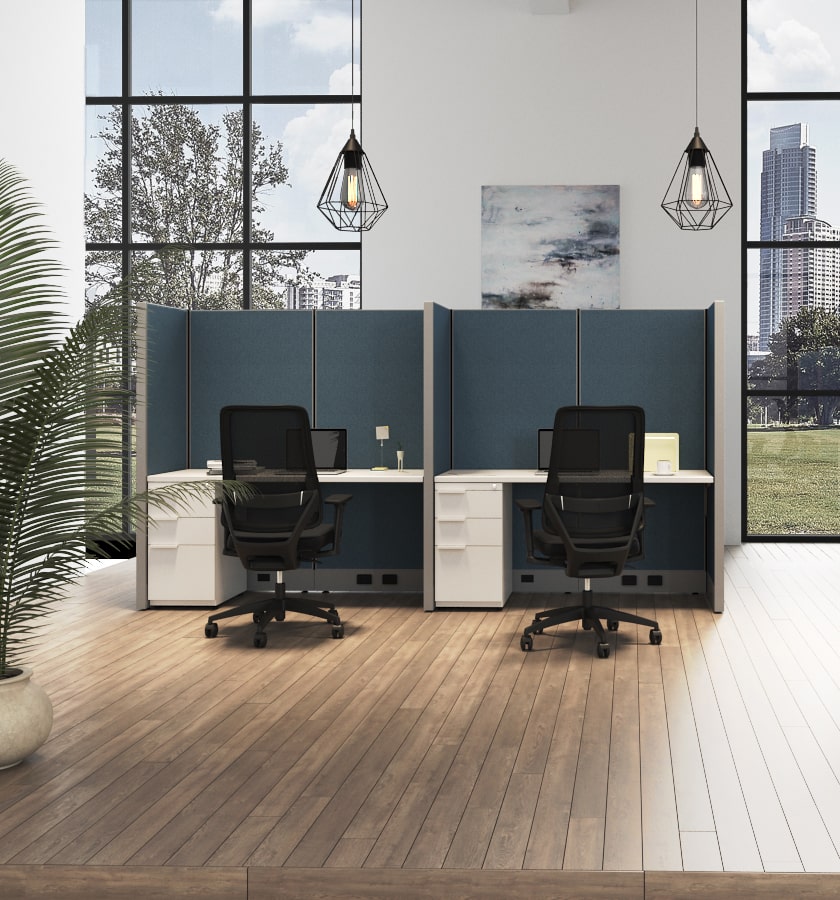
Moreover, the layout affects collaboration and communication. Open-plan offices can promote teamwork, but they may also lead to distractions. According to a Gallup report, 70% of employees feel disengaged in traditional layouts. Thoughtful design can mitigate these effects. Incorporating quiet zones and flexible workstations allows employees to choose their environment based on their tasks.
Color choices influence feelings too. Bright colors can energize spaces, while soothing tones might promote calmness. However, not all employees respond the same way to colors. Balancing aesthetic appeal with functionality can be challenging. Seeking feedback from employees can reveal crucial insights, helping to create a workspace that truly supports productivity and well-being.
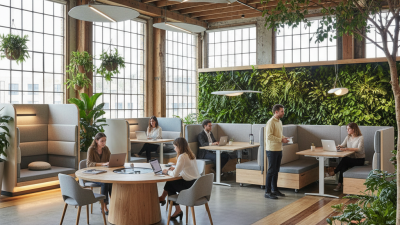
In recent years, workplace design has transformed significantly. Flexibility is now a key element of modern offices. Open layouts encourage collaboration and creativity. These spaces often include movable furniture that adapts to different needs. Employees value the ability to reshape their environment. This fosters a sense of ownership and empowerment in the workspace.
Designing for collaboration doesn’t mean sacrificing comfort. Cozy break areas with soft seating invite team discussions. Simple elements like plants enhance the atmosphere. Natural light boosts mood and productivity. However, finding the right balance is challenging. Too many open spaces can lead to distractions. Companies must consider noise management to maintain focus.
Creating an inspiring workspace is an ongoing journey. It involves listening to employee feedback and adapting to their needs. The goal is to cultivate a culture of teamwork. Despite the initial excitement, not every design will work perfectly for everyone. Ongoing adjustments are crucial for effective collaboration. Embracing change can lead to a more dynamic, responsive workplace.
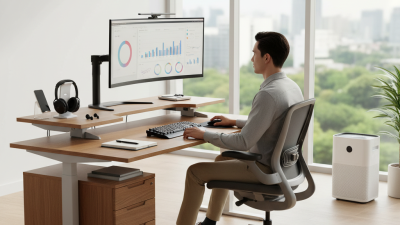
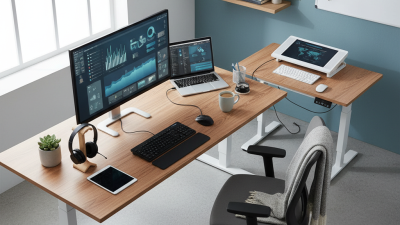
Creating a modern office interior goes beyond just aesthetics. It involves selecting essential furniture and decor that foster productivity and creativity. Ergonomic chairs and height-adjustable desks are crucial. They offer comfort and flexibility throughout the day. Cozy lounge areas with soft seating can encourage informal meetings and brainstorming sessions.
Artwork and plants are vital in creating an inviting atmosphere. Artwork can reflect the company’s culture and values. Use vibrant colors to stimulate creativity. Plants not only enhance the look but also improve air quality. However, maintaining these elements requires regular attention. Fading artwork and wilted plants can detract from an inspiring space.
Lighting plays a significant role in office design. Natural light boosts mood and productivity. Incorporate adjustable lighting fixtures that can change with the time of day. Remember, an inspiring workspace is a balance of functionality and comfort. Reflect on your current setup. Are your furniture choices enhancing or hindering your work experience?
Creating a sustainable workspace involves thoughtful design choices. Integrating eco-friendly materials can significantly reduce your office's environmental footprint. Consider using reclaimed wood for desks or biophilic design elements that incorporate natural light and plants. These features not only enhance aesthetics but also boost employee well-being.
**Tips:** Opt for energy-efficient lighting to minimize electricity use. LED bulbs are a great choice that lasts longer and saves costs. Another consideration is implementing a recycling program. Encourage employees to sort waste properly, promoting a culture of sustainability right within your workspace.
Data-driven approaches are essential when designing green workspaces. Gather insights on employee habits to improve layout and energy use. Utilize software tools that track energy consumption to identify areas needing improvement. This fosters an environment that prioritizes both productivity and environmental responsibility.
**Tips:** Regularly assess employee feedback about workspace comfort. This helps pinpoint issues like poor air flow or inadequate lighting. Continuous adaptation leads to a more efficient and appealing office. Incorporate local suppliers to enhance your sustainable practices and support the community.
| Design Element | Description | Sustainability Practices | Data-Driven Approaches |
|---|---|---|---|
| Natural Lighting | Maximizing natural light to promote productivity. | Use of large windows and skylights. | Analysis of daylight hours vs. energy consumption. |
| Open Spaces | Encouraging collaboration through open office layouts. | Use of recycled materials for partitions. | Employee engagement surveys for layout effectiveness. |
| Biophilic Design | Incorporating nature into the workspace. | Indoor plants and living walls. | Employee wellness metrics before and after implementation. |
| Flexible Workspaces | Workstations that can be adjusted for different tasks. | Modular furniture that uses sustainable materials. | Usage tracking for different types of workspaces. |
| Energy-Efficient Equipment | Utilizing energy-efficient appliances. | LED lighting and energy star certified devices. | Energy usage data comparison. |
| Acoustic Panels | Reducing noise in open office layouts. | Recycled fabric and sound-absorbing materials. | Employee satisfaction surveys on noise levels. |
| Color Psychology | Using colors that boost mood and productivity. | Low-VOC paints in calming colors. | Performance tracking pre- and post-redesign. |
| Community Spaces | Dedicated areas for social interaction. | Sustainable seating and gathering areas. | Usage frequency and social engagement metrics. |
| Health and Wellness Facilities | Spaces for physical and mental wellness activities. | Materials sourced sustainably for gyms/yoga rooms. | Participation rates in wellness programs. |
| Smart Technology Integration | Using technology to enhance efficiency. | IoT devices for energy and resource management. | Data analytics for operational efficiency improvements. |
Fast, modern and
At your fingertips
Tremain´s Blaze fast program
Was created for customers
That need product FAST!
Download catalog
Blaze Catalog