What are the Best Office Solutions for Global Buyers?
In today's interconnected world, global buyers face unique challenges when selecting office solutions. According to a report by Grand View Research, the global office furniture market alone is expected to reach $74 billion by 2027, driven by the increasing demand for modern and flexible workspaces. Companies are prioritizing efficiency and aesthetics. Choosing the right office solutions has become critical.
Many businesses struggle with finding suppliers that meet their specific needs across different regions. The nuances of local markets can complicate procurement processes. A study by McKinsey & Company found that 70% of procurement leaders cite supplier diversity as a key factor in improving their office solutions. However, the journey is not without its obstacles. Matching quality with cost-efficiency often requires careful evaluation and an understanding of market trends.
Proven office solutions should enhance collaboration, productivity, and employee satisfaction. Yet, many organizations still grapple with integrating new technologies and optimizing space. As global buyers explore their options, awareness of evolving market landscapes is essential. Using data-driven strategies can guide effective decision-making, ensuring that investments in office solutions yield desired results.

Understanding Global Office Solutions: Trends and Insights
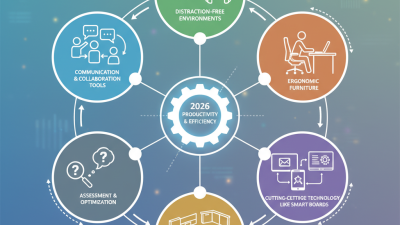
The demand for global office solutions is growing. Companies are embracing remote work and flexibility. This shift requires innovative approaches to office setups. Modern solutions include virtual collaboration tools and ergonomic furniture. These are not just trends; they represent a significant shift in how teams operate.
Understanding these changes is crucial. Many businesses struggle with effective communication across different time zones. Some tools enhance connectivity, but not all are equally effective. There is a learning curve involved. Employees often feel overwhelmed by new technologies. Thus, ongoing training is essential for success in this global landscape.
Additionally, sustainability is becoming a key concern. Many companies aim for eco-friendly materials in their office designs. However, achieving these goals can be challenging. Cost and availability of sustainable options vary greatly. It is important for businesses to approach these solutions thoughtfully. Implementing effective office strategies requires both experience and a willingness to adapt.
What are the Best Office Solutions for Global Buyers?
| Solution Type |
Popularity Index |
Cost Efficiency |
Scalability |
User Feedback |
| Co-Working Spaces |
85% |
High |
Excellent |
Positive |
| Remote Work Solutions |
90% |
Medium |
High |
Very Positive |
| Virtual Office Services |
78% |
High |
Moderate |
Positive |
| Shared Office Platforms |
80% |
Medium |
Excellent |
Positive |
| Enterprise Resource Planning (ERP) |
88% |
Low |
High |
Neutral |
Analyzing the Demand for Sustainable Office Products Worldwide
The demand for sustainable office products is growing worldwide. Businesses are increasingly recognizing the importance of eco-friendly solutions. This shift is driven by consumer preferences and regulatory pressures. Companies want to reduce their environmental impact while maintaining operational efficiency.
When selecting sustainable office products, consider materials and sourcing practices. Look for items made from recycled or renewable resources. Verify that suppliers adhere to eco-friendly certifications. This helps ensure that you're not just paying lip service to sustainability.
Tip: Regularly assess your office's waste production. Small changes can lead to big improvements. Even switching to digital documents can reduce paper waste significantly. Promote a culture of sustainability within teams to foster greater awareness.
The challenge lies in balancing sustainability with budget constraints. Sustainable products can sometimes be more expensive upfront. However, the long-term savings can outweigh initial costs. Engage stakeholders in discussions about the value of investing in green solutions.
Tip: Explore bulk purchasing options. This can reduce costs and enhance product selection. Establishing strong supplier relationships can also unlock further benefits.
Global Demand for Sustainable Office Products (2023)
Digital Transformation: Cloud-Based Solutions in Global Offices
The shift towards cloud-based solutions is redefining global office operations. According to a recent report by Gartner, 75% of organizations will shift to cloud computing by 2025. This trend reflects a growing recognition of cloud technologies in enhancing efficiency and collaboration. Teams scattered across continents can now collaborate in real time, breaking down geographical barriers.
A key advantage of cloud solutions is their scalability. Businesses can adjust resources based on demand. This flexibility is vital in uncertain economic climates. However, implementing these solutions is not without challenges. Data security remains a major concern. Over 50% of organizations cite cybersecurity as a barrier to cloud adoption, highlighting the need for robust security measures. Addressing these concerns is crucial for successful digital transformation.
Moreover, user experience is paramount. A poorly designed interface can frustrate employees. A Microsoft report shows that 82% of employees prefer user-friendly applications. However, many cloud tools fall short of these expectations. This gap suggests a need for continuous improvement in cloud product design and usability. Organizations must engage with users to create effective solutions.
Cost-Effectiveness of Outsourced Office Management Services
Outsourced office management services are gaining traction among global buyers. One key reason is cost-effectiveness. Companies can reduce overhead costs by avoiding full-time staff. Outsourcing allows businesses to access skilled professionals without the long-term commitment. This flexibility means companies can adjust their resources based on changing needs.
Consider a small business aiming to expand internationally. They may not need a full-time team in each location. By outsourcing, they access local expertise at a fraction of the cost. However, relying on external sources has its drawbacks. Communication can sometimes be challenging. Time zone differences may lead to delays and misunderstandings. Supplying clear guidelines becomes essential.
Another point to reflect on is quality control. While outsourcing can save money, it may compromise standards. Businesses must choose reliable partners with proven track records. Monitoring the performance of outsourced teams can be resource-intensive. Striking the right balance between cost savings and quality service is crucial for success.
The Role of Collaborative Tools in Remote Work Environments
In today’s remote work landscape, collaboration tools have become essential. Research by McKinsey found that effective collaboration can increase productivity by up to 25%. Tools that facilitate communication and project management are vital. They help teams work seamlessly across time zones, making remote interactions smoother.
However, relying solely on technology has its drawbacks. A study from Buffer revealed that 20% of remote workers struggle with collaboration. Missing face-to-face interactions can hinder team dynamics and lead to miscommunication. Teams need to find a balance, ensuring technology enhances connections rather than replaces them entirely.
Moreover, a report from Harvard Business Review highlighted the importance of building a strong company culture in remote environments. Engaging virtual team-building activities can foster relationships. This is essential for maintaining morale and driving performance. As companies navigate this evolving landscape, recognizing the need for effective collaboration tools is crucial for success.