2025 How to Choose the Best System Furniture for Your Home Office Setup
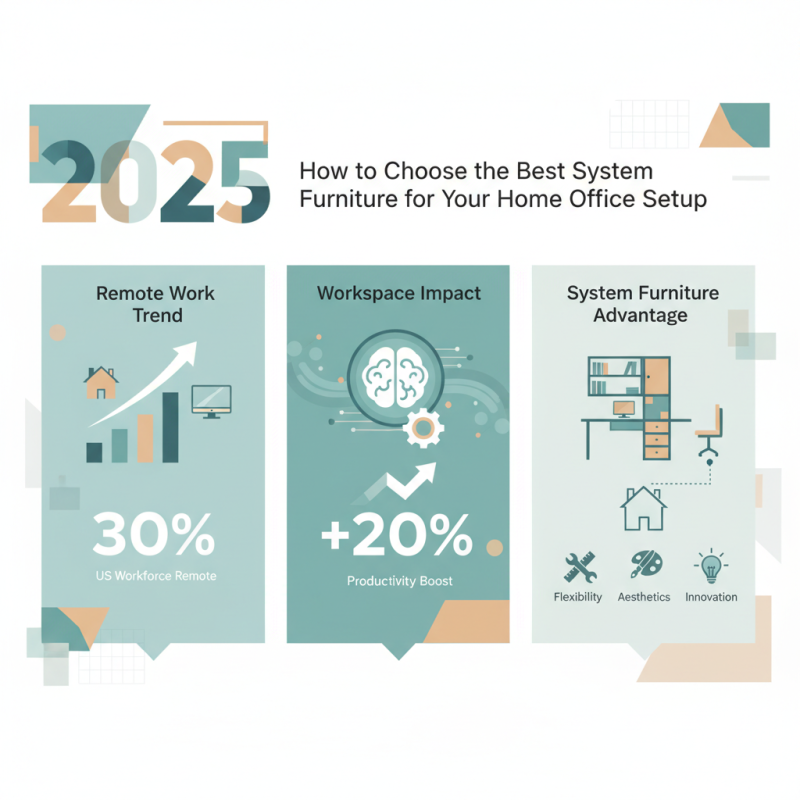
In today's increasingly remote work environment, the significance of a well-designed home office cannot be overstated. As per a report by the Global Workplace Analytics, over 30% of the U.S. workforce is now working remotely, a trend accelerated by the pandemic. With this shift, individuals are not only seeking functional solutions but also aesthetically pleasing designs that enhance productivity and comfort. System furniture has emerged as a popular option among homeowners looking to optimize their workspaces.
A recent study by the International Interior Design Association revealed that an organized and appealing workspace can enhance productivity by up to 20%. System furniture offers a modular approach, allowing for flexibility and customization to accommodate various room sizes and work styles. By combining functionality and modern design, this type of furniture addresses the unique needs of home office setups. Thus, knowing how to choose the best system furniture becomes essential for anyone aiming to create an efficient and inspiring work environment in their home.
Understanding Your Home Office Needs and Space Requirements
When choosing the best system furniture for your home office, a clear understanding of your specific needs and space requirements is essential. Begin by evaluating how you plan to use your office. Are you primarily working on a computer, or do you require space for extensive paperwork and meetings? This assessment will help you determine the type of furniture that best suits your workflow, whether it's a compact desk, a multi-functional table, or an expansive workstation.
Consider the dimensions of your workspace. Take accurate measurements, including ceiling height and doorway widths, to ensure your chosen furniture fits comfortably. A well-organized space should promote efficiency and movement. For smaller areas, look for furniture that offers storage solutions without overwhelming the room. If your space allows, arrange your desk to maximize natural light, which can enhance productivity and mood.
**Tips:**
1. Choose adjustable pieces that cater to both sitting and standing work styles; this flexibility can greatly enhance your comfort and productivity.
2. Incorporate vertical storage options like shelves and cabinets to keep your workspace tidy while utilizing wall space efficiently.
3. Personalize your office with decor and accessories that inspire you, but avoid clutter to maintain a professional appearance.
Assessing Different Types of System Furniture for Home Offices
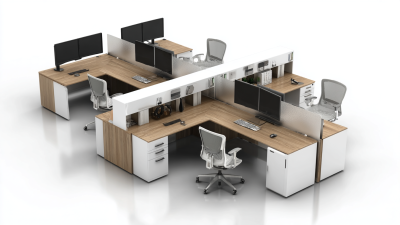
When selecting system furniture for a home office, it's essential to understand the different types available and how they can meet specific requirements. Modular systems are a popular choice due to their flexibility, allowing users to tailor their workspace. These systems typically consist of interlocking components that can be reconfigured to adapt to changing needs, making them ideal for both small and large spaces. Additionally, they can include various elements such as desks, shelves, and storage units, creating a cohesive look while maximizing functionality.
Another important category is ergonomic furniture, designed to promote comfort and health during long working hours. Features such as adjustable desks and chairs, as well as footrests and monitor stands, can significantly enhance productivity and reduce strain on the body. Investing in ergonomic options not only improves workflow but also contributes to overall well-being, making it a wise consideration when designing a home office setup. By assessing these different types of system furniture, individuals can create an efficient and comfortable workspace tailored to their unique preferences and tasks.
Factors to Consider When Choosing the Right Materials and Styles
When selecting system furniture for your home office, the choice of materials and styles plays a crucial role in creating a productive and comfortable environment. First and foremost, consider the durability of the materials. High-quality woods, metal finishes, and sustainable options can provide long-lasting performance and aesthetic appeal. For instance, solid wood pieces are not only sturdy but also add a touch of warmth to the space. On the other hand, materials like laminate can offer a modern look at a more affordable price, although they may not last as long under heavy use.
The style of the furniture should also align with your personal taste and the overall decor of your home. Whether you prefer a minimalist aesthetic, industrial chic, or classic designs, the furniture you choose should complement your existing surroundings. Additionally, consider the functionality of each piece. Modular systems allow for versatility and customization, making it easier to adapt your workspace as your needs evolve. Ultimately, by thoughtfully considering both the material quality and stylistic coherence, you can create a home office that fosters inspiration and productivity.
Evaluating Comfort and Ergonomics in Your Furniture Selection
When choosing system furniture for your home office setup, comfort and ergonomics should be paramount in your decision-making process. A well-designed workspace promotes productivity and well-being, reducing the risk of fatigue and discomfort during long hours of work. When evaluating furniture, look for adjustable chairs that provide lumbar support, allowing your lower back to rest naturally. The seat height, armrests, and depth should also be customizable to accommodate various body types and preferences, ensuring that your posture remains healthy throughout your workday.
Additionally, desk dimensions play a crucial role in creating an ergonomic setup. A desk that allows you to maintain a neutral wrist position while typing can help prevent strain. Consider desks with varying heights, as sit-stand options encourage movement and aid circulation, which can enhance focus and energy levels. Don’t overlook the importance of legroom and desk layout; ensure that your feet can comfortably rest on the floor or a footrest. Integrating these ergonomic principles into your home office furniture selection will not only create a more pleasant working environment but will also contribute positively to your overall health and productivity.
2025 How to Choose the Best System Furniture for Your Home Office Setup
| Furniture Type |
Comfort Level |
Ergonomic Features |
Price Range |
User Rating (1-5) |
| Desk |
High |
Adjustable height, Cable management |
$300 - $800 |
4.5 |
| Chair |
Medium |
Lumbar support, Adjustable arms |
$100 - $500 |
4.2 |
| Storage Unit |
High |
Height adjustable shelves |
$150 - $600 |
4.3 |
| Keyboard Tray |
Medium |
Tiltable, Slide-out |
$30 - $150 |
4.0 |
| Monitor Stand |
High |
Adjustable height, Cooling vent |
$20 - $100 |
4.5 |
Budgeting and Cost-Effective Options for Home Office Furniture
When setting up a home office, budgeting becomes a crucial factor in selecting the right system furniture. Establishing a clear budget helps prioritize needs versus wants, allowing for a more focused shopping experience. Start by outlining the essential furniture pieces you require, such as a desk, chair, and storage solutions. Consider the amount of space available and how these items will fit within it, ensuring that functionality is at the forefront of your decisions.
Cost-effective options abound if you know where to look. Many retailers offer a range of affordable furniture solutions without compromising on quality or style. Additionally, exploring second-hand marketplaces can yield unique finds at a fraction of the cost. DIY projects can also be a great way to personalize your space while staying within budget. By being resourceful and making informed decisions, you can create a productive and aesthetically pleasing home office that suits your financial constraints.
Budget-Friendly Home Office Furniture Options in 2025
This chart illustrates various budget-friendly options for home office furniture based on average costs per item. The data reflects the estimated prices for essential items that enhance a home office setup.