2026 How to Choose the Best Office Equipment for Your Business?
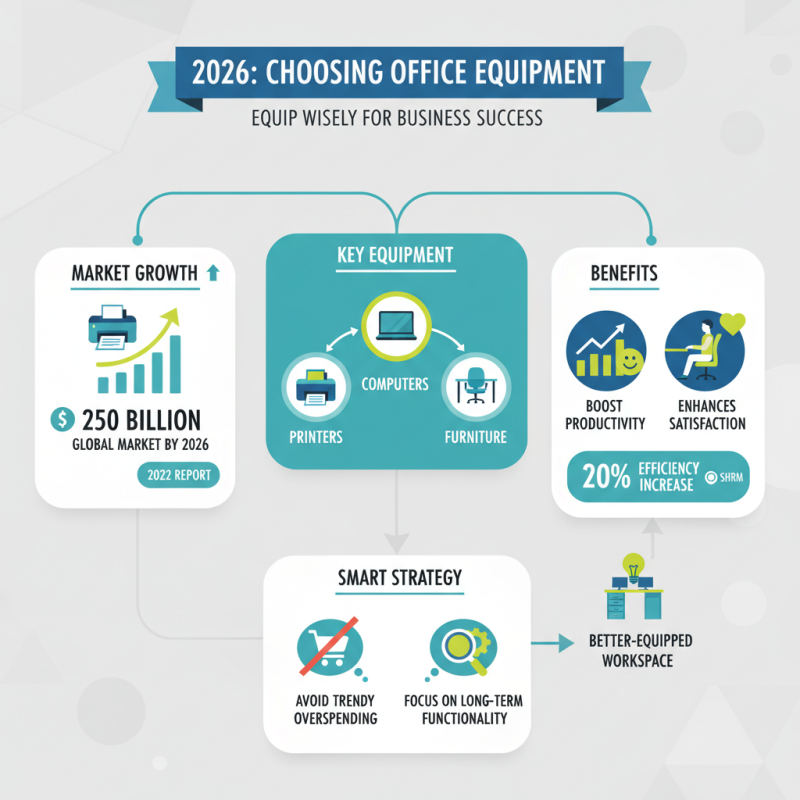
Choosing the right office equipment is crucial for your business success. According to a 2022 report by MarketsandMarkets, the global office equipment market is projected to reach $250 billion by 2026. Businesses need to invest wisely in office equipment to remain competitive.
Office equipment includes printers, computers, and furniture. The right choices can boost productivity and enhance employee satisfaction. For example, ergonomic furniture can reduce health-related absences. A study from the Society for Human Resource Management (SHRM) shows that proper equipment can increase employee efficiency by 20%. However, companies should reflect on their actual needs. Not every new gadget is necessary.
Budget constraints and rapid technology changes can complicate decisions. Businesses often overspend on trendy equipment that doesn’t fit their environment. It is essential to consider long-term functionality over short-term appeal. In the end, thoughtful evaluation will lead to a better-equipped workspace.
Understanding Your Business Needs for Office Equipment
Choosing the right office equipment hinges on understanding your business's unique needs. Start by assessing your daily operations. Identify the tasks that require the most support. For example, if your team prints documents regularly, consider investing in a reliable printer. Think about the volume of printing and needed features, such as scanning capabilities.
Think about your workspace as well. Is it spacious or limited? Larger offices might benefit from multifunction printers, while compact spaces need smaller, more efficient units. Look at employee productivity too. Do they need tools that simplify their work? A good ergonomic chair can make a big difference in comfort and efficiency.
Don't overlook the potential for growth. Investing in scalable equipment can save you from future headaches. However, don’t just focus on the latest gadgets. Sometimes outdated tools can work just fine if they're well maintained. Reflect on past purchases. What worked? What didn’t? Monitoring and adjusting your choices ensures that your equipment continues to meet your needs.
2026 How to Choose the Best Office Equipment for Your Business?
| Equipment Type |
Key Features |
Business Needs |
Budget Range |
| Printers |
High-volume printing, duplex, wireless connectivity |
Frequent document printing needs |
$150 - $500 |
| Desktops |
High-performance processor, multiple ports, upgradeable |
Office productivity and multitasking |
$400 - $1200 |
| Laptops |
Portability, long battery life, lightweight |
Remote work and mobility |
$300 - $1500 |
| Office Chairs |
Ergonomic design, adjustable features |
Employee comfort and productivity |
$100 - $800 |
| Monitors |
High resolution, multiple display options, flicker-free |
Enhanced visual experience for tasks |
$150 - $700 |
Assessing Different Types of Office Equipment Available
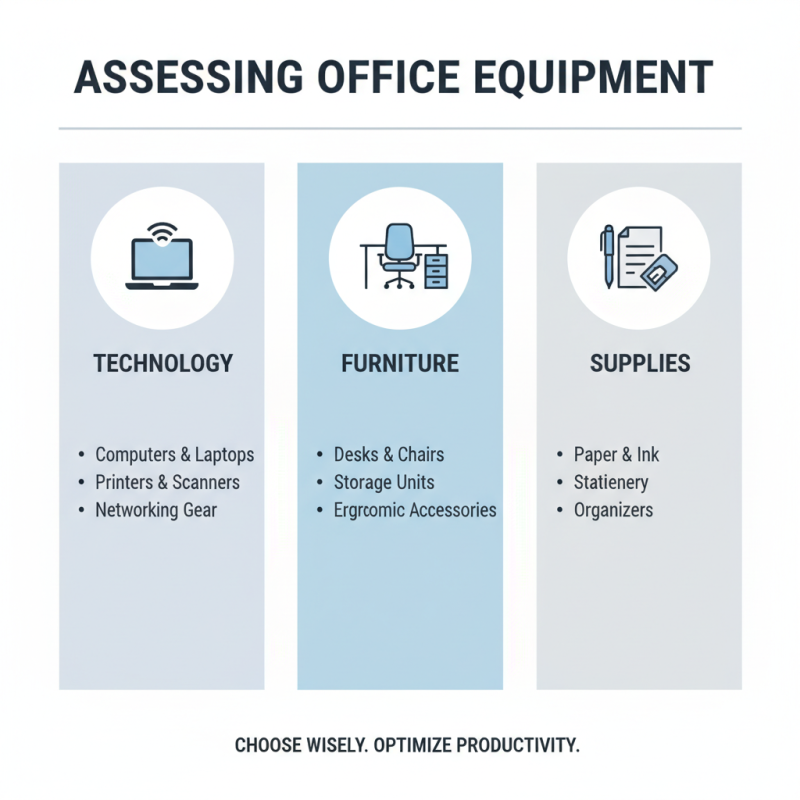
When choosing office equipment, consider different categories. Each type serves unique needs. Assessing categories like technology, furniture, and supplies can lead to informed decisions.
Technology plays a critical role. According to the International Data Corporation, 67% of businesses report improved productivity through the right tech tools. This includes computers, printers, and conferencing equipment. Evaluate features like speed and compatibility. These can affect your workflow significantly.
Office furniture should not be overlooked. The American Society of Interior Designers emphasizes that ergonomic furniture reduces health issues. A well-designed workspace boosts morale and enhances efficiency. Analyze your space and employee needs before purchasing. Supplies, such as stationery and storage solutions, are equally important. Regularly review what your team uses. Over-purchasing leads to waste and clutter.
Evaluating Quality and Durability of Office Equipment
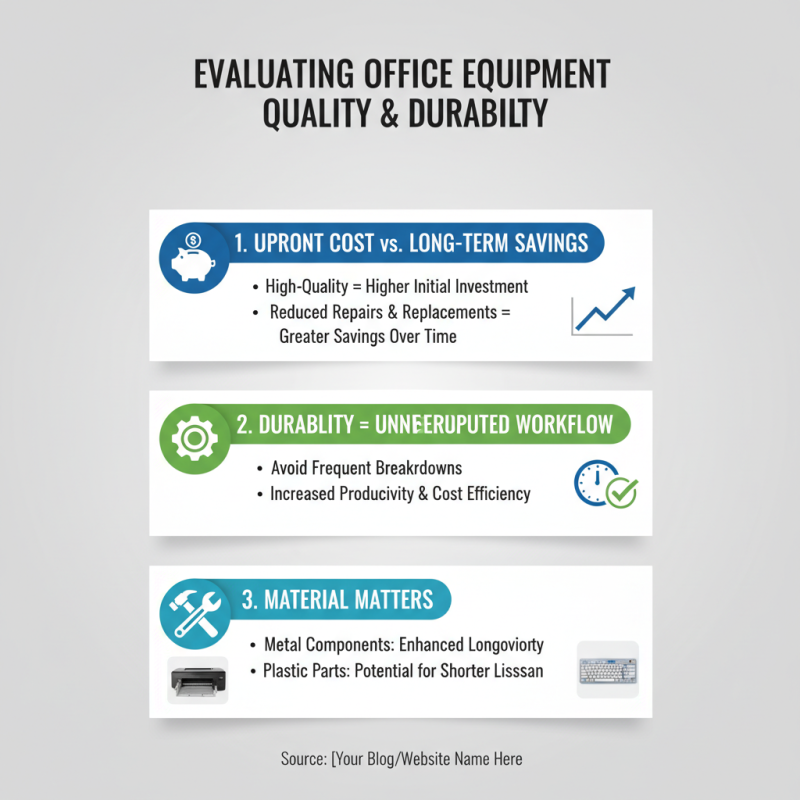
When selecting office equipment, evaluating its quality and durability is crucial. High-quality equipment may have a higher upfront cost, but it often leads to significant savings in the long run. Durability is essential; equipment that breaks down frequently can disrupt workflow and increase expenses. Consider the materials used in construction. For instance, metal parts might offer better longevity than plastic counterparts.
Pay attention to user reviews and testimonials. They can provide insights into the real-world performance of equipment over time. Testing the equipment, if possible, can reveal issues early on. Look for signs of wear and check warranties. A solid warranty often indicates a manufacturer’s confidence in their product’s durability.
Be mindful of the trade-offs. Sometimes, a more affordable option may lack essential features, while an expensive piece might be unnecessarily complex for your needs. Take time to assess what specific tasks the equipment will perform. It’s essential to balance cost, durability, and functionality. Finding the right mix can lead to decisions that truly support your business.
Considering Budget Constraints for Office Equipment Purchases
Choosing the right office equipment is crucial for a business's success, especially when budgets are tight. According to a recent report by the International Data Corporation (IDC), businesses typically allocate about 5-10% of their operating expenses to office equipment. This percentage can vary significantly depending on the type of equipment needed. Prioritizing essential items ensures your spending aligns with your organization's goals.
Before making a purchase, evaluate your equipment needs thoroughly. Create a checklist of must-have items versus nice-to-haves. This will help you avoid overspending on unnecessary features or technology. When prioritizing, consider the long-term benefits and potential return on investment (ROI). Research shows that businesses can save up to 30% by investing in multifunctional devices instead of single-use equipment.
**Tips:**
Invest in energy-efficient models. They may cost more upfront, but they reduce operational costs over time.
Explore leasing options, which can be more budget-friendly than buying outright.
Regularly review your equipment needs to stay aligned with changing business goals. This reflection will help prevent wasted resources.
2026 Office Equipment Budget Analysis
Sustainability and Energy Efficiency in Office Equipment Selection
Choosing office equipment with sustainability and energy efficiency in mind is essential today. Many businesses overlook the impact of their choices on the environment. Selecting energy-efficient devices can significantly reduce your carbon footprint, lowering operational costs over time.
Consider the energy rating of your equipment. Look for items with a high Energy Star rating. These are designed to consume less energy without sacrificing performance. Additionally, assess whether the equipment incorporates sustainable materials. Devices made from recycled or eco-friendly materials promote a circular economy.
Here are a few tips to guide you:
- Check if your suppliers offer eco-friendly options.
- Evaluate the life cycle of equipment. Longer-lasting products can save resources.
- Choose multifunction devices. They reduce energy use and save space.
Reflect on how equipment use affects daily operations. Are you using resources wisely? As you strive for efficiency, contemplate the balance between functionality and sustainability. This approach fosters a greener workplace and showcases your commitment to the environment.