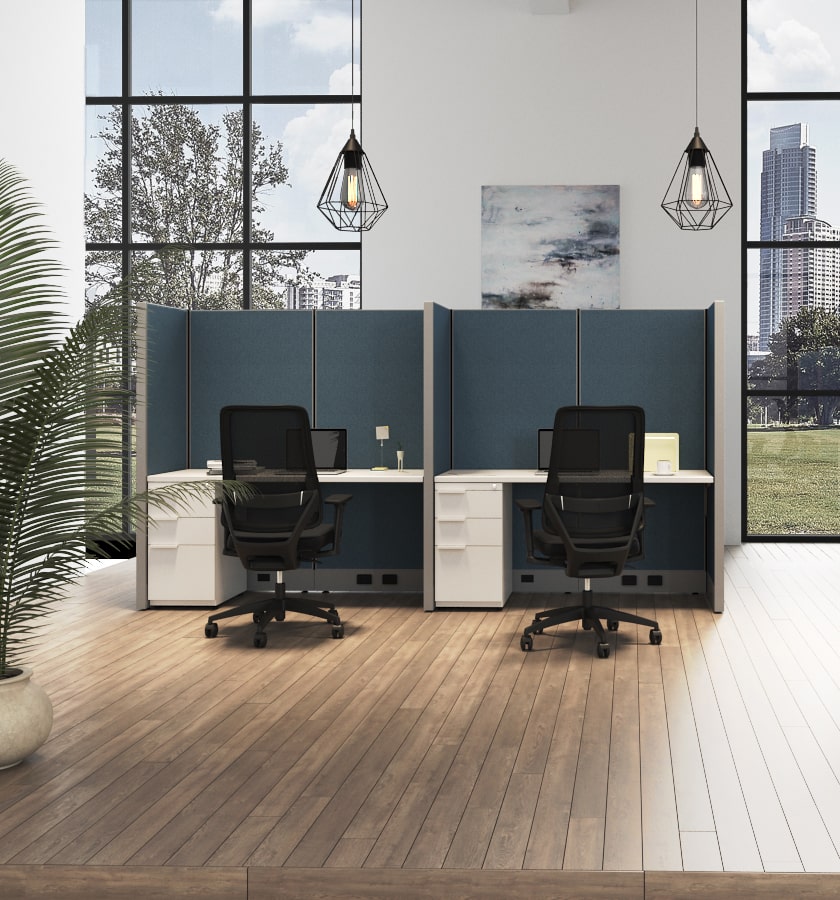
How to Choose the Best Office Cabinet for Your Workspace?
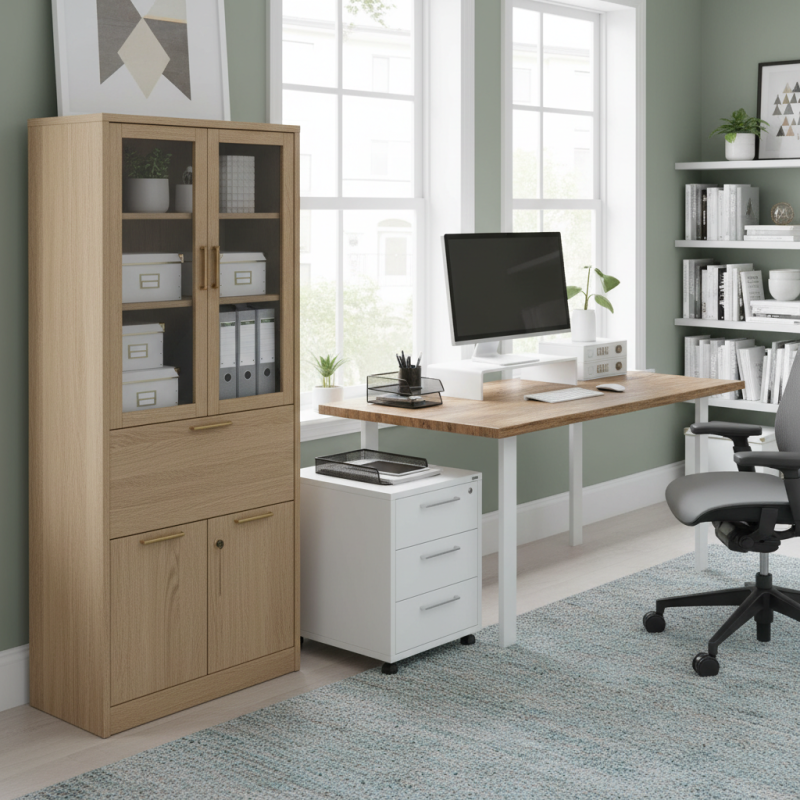
When it comes to organizing your workspace, an office cabinet can play a crucial role. The right office cabinet enhances both aesthetics and functionality. You may find yourself overwhelmed by choices. They come in various styles and sizes, making decisions tough.
Consider your needs. Do you require storage for documents, office supplies, or both? Think about the cabinet's location. Is it within easy reach, or tucked away? An ideal office cabinet should blend with your workspace design. Pay attention to material and color; they should reflect your personal style.
Functionality is just as important as appearance. A cabinet that is difficult to open or too deep may end up unused. Ask yourself if the cabinet provides enough space for your essentials. Take time to research different options, but don’t rush. Remember, the perfect office cabinet can bring harmony to your work environment.
Factors to Consider When Selecting Office Cabinets for Workspaces
Choosing the right office cabinet can greatly improve your workspace. When selecting cabinets, you should consider several key factors.
First, think about the size. Measure the available space carefully.
Cabinets should fit without overwhelming your office layout. Also, think about accessibility.
Can you easily reach the items you store?
Next, consider the material. Cabinets made of different materials have unique aesthetics and durability.
A wood cabinet may look elegant but might be heavy. Metal options can be sturdy but might appear cold.
Your choice should align with the overall design of your office.
Storage needs are another crucial factor.
Determine what you will store inside. Will it be files, supplies, or equipment? Some cabinets have shelves, while others have drawers.
Be clear about your requirements. Lastly, evaluate your budget. Sometimes, a cheaper option may not meet your needs long-term.
Reflect on what you truly need versus what looks attractive. Don’t rush this decision;
the right cabinet can enhance both functionality and style in your office.
Types of Office Cabinets: Comparing Functionality and Design Preferences
Choosing the right office cabinet involves understanding different types and their specific functionalities. According to a recent industry report, nearly 75% of office workers prioritize functionality in their workspace. This means that while design is important, practicality often takes the lead.
Filing cabinets offer efficient document storage. They ensure that important papers are organized and easily accessible. On the other hand, storage cabinets can accommodate a variety of office supplies. Reportedly, offices utilizing multi-functional cabinets see a reduction in clutter by up to 40%. However, not all cabinets blend well with different decor styles.
Open shelving units maximize accessibility but can contribute to a messy appearance if not managed correctly. It’s essential to reflect on how cabinets fit into your current design theme. Many users overlook this aspect, leading to regret later. Choosing an office cabinet is about balancing personal style and functional needs.
Office Cabinet Types and Their Features
Storage Capacity and Organization: How Much Space Do You Really Need?
Choosing the right office cabinet is crucial for a functional workspace. Storage capacity and organization should be top priorities. Consider how much space your documents, supplies, and equipment occupy. This assessment will guide your decision.
When evaluating your storage needs, think about the types of items you have. Are they mostly files, or do you need room for equipment and supplies? For example, if you have binders, folders, and tech gadgets, choose a cabinet with adjustable shelves. It allows flexibility for future changes. Visualize what you want inside. Does everything fit easily?
Yet, many people overlook their ongoing storage needs. You may start with minimal items, but your collection can grow. This can lead to cramped spaces and disorganization. Reflect on your workspace layout. Is there enough room for expansion? A well-organized cabinet can promote clarity, while a cramped one can create chaos. The perfect cabinet balances space and accessibility.
Materials and Durability: Choosing the Right Cabinet for Longevity
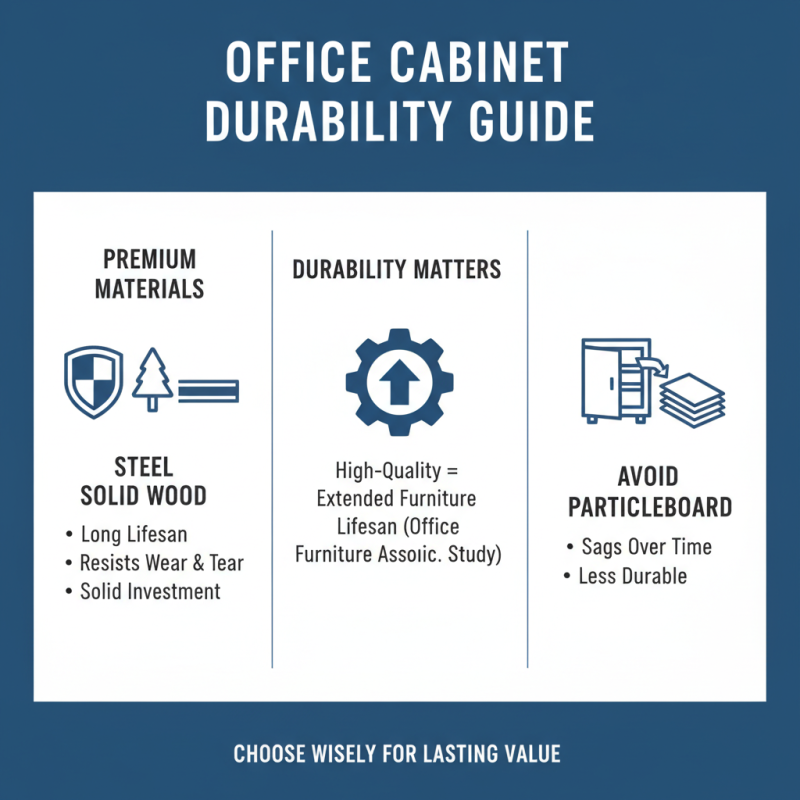
When choosing an office cabinet, materials and durability are crucial. A study by the Office Furniture Association finds that high-quality materials can extend the lifespan of furniture. For example, steel and solid wood are highly durable, while particle board may sag over time. In contrast, cabinets made from metal often resists wear and tear, making them a solid investment.
Tips: Look for cabinets with a warranty. A good warranty often indicates quality material. Consider the environmental impact as well. Many manufacturers now provide eco-friendly options that last longer.
Think about your workspace needs. A stylish yet functional cabinet can enhance productivity. Research suggests that a well-organized office leads to a 20% increase in efficiency. Cheap cabinets may save money initially but require frequent replacements. That can lead to higher costs in the long term. Prioritize durability over price to ensure longevity.
Choose wisely, as your cabinet reflects your work style. Inconsistent quality can lead to frustration. A cabinet that falls apart after a year is not a worthwhile investment. Always weigh the materials against your specific needs and office environment.
Budget Considerations: Balancing Quality and Cost in Office Cabinet Purchases
Choosing the right office cabinet involves careful budgeting. Finding a balance between quality and cost can be tricky. A well-constructed cabinet is an investment. Poor materials can lead to quick wear and tear. It's essential to assess what you truly need.
Consider the types of materials available. Metal cabinets may be durable, while wood offers aesthetic appeal. Each option has its price range. Remember, a flashy design might catch your eye but doesn't guarantee functionality. Think about what fits your workspace best.
Measure your space before you buy. A cabinet that looks great but doesn’t fit is a waste of money. Sometimes it’s hard to recognize overspending until after the fact. Reflect on how much storage you really need. A cluttered office can stem from impulsive purchases. Focus on practicality over appearance for better long-term value.