Top 10 Corporate Furniture Trends for 2023 That Boost Workplace Productivity
In the evolving landscape of workspaces, the significance of corporate furniture in enhancing productivity has become increasingly evident. A recent report by the International Facility Management Association indicates that well-designed workplace environments can boost employee engagement by up to 30%. As businesses strive to create more efficient and inspiring spaces, understanding the latest trends in corporate furniture becomes essential for fostering a culture of collaboration, innovation, and wellbeing.
As organizations shift towards hybrid work models, the demand for versatile and adaptable corporate furniture is on the rise. A study by Jones Lang LaSalle highlights that 76% of employees believe their workspace influences their productivity levels, suggesting that investing in ergonomic and aesthetically pleasing furniture solutions can lead to significant improvements in performance. This year, we explore the top 10 corporate furniture trends for 2023 that not only prioritize functionality but also align with the changing dynamics of the modern workplace, ultimately driving enhanced productivity and employee satisfaction.
Top 10 Corporate Furniture Trends for 2023 That Boost Workplace Productivity
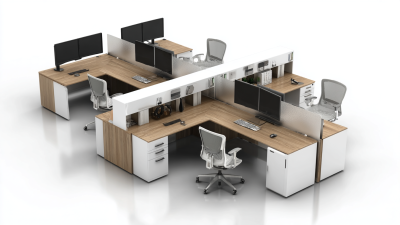
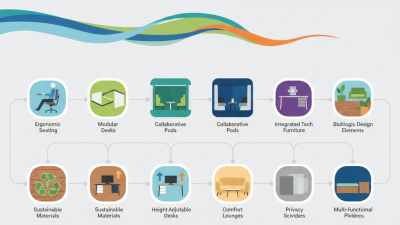
In 2023, the landscape of corporate furniture is evolving to foster enhanced productivity in the workplace. Companies are recognizing the importance of designing environments that not only look aesthetically pleasing but also facilitate efficient work processes. One trend gaining traction is the emphasis on flexible workspaces. By incorporating modular furniture that can be easily reconfigured, businesses allow employees to adapt their surroundings to their specific tasks, promoting collaboration and creativity.
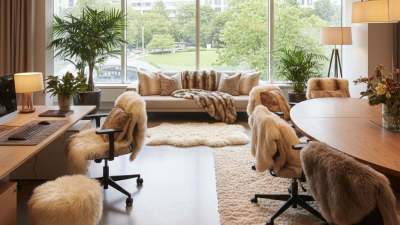
Additionally, incorporating biophilic design elements, such as natural materials and greenery, plays a crucial role in boosting workplace well-being. Studies indicate that employees exposed to natural elements tend to experience reduced stress levels and improved focus. Organizations can integrate living walls, wooden furnishings, or natural light to create a calming atmosphere that fosters productivity.
Tips: To take advantage of these trends, consider engaging your employees in the design process. Gather feedback on what furniture arrangements or features would enhance their work experience. Moreover, regularly assess the work environment to ensure it meets the evolving needs of your teams. Embracing these corporate furniture trends can lead to a more engaged and productive workforce.
The Shift Towards Flexible Workspaces: Adapting to Hybrid Models
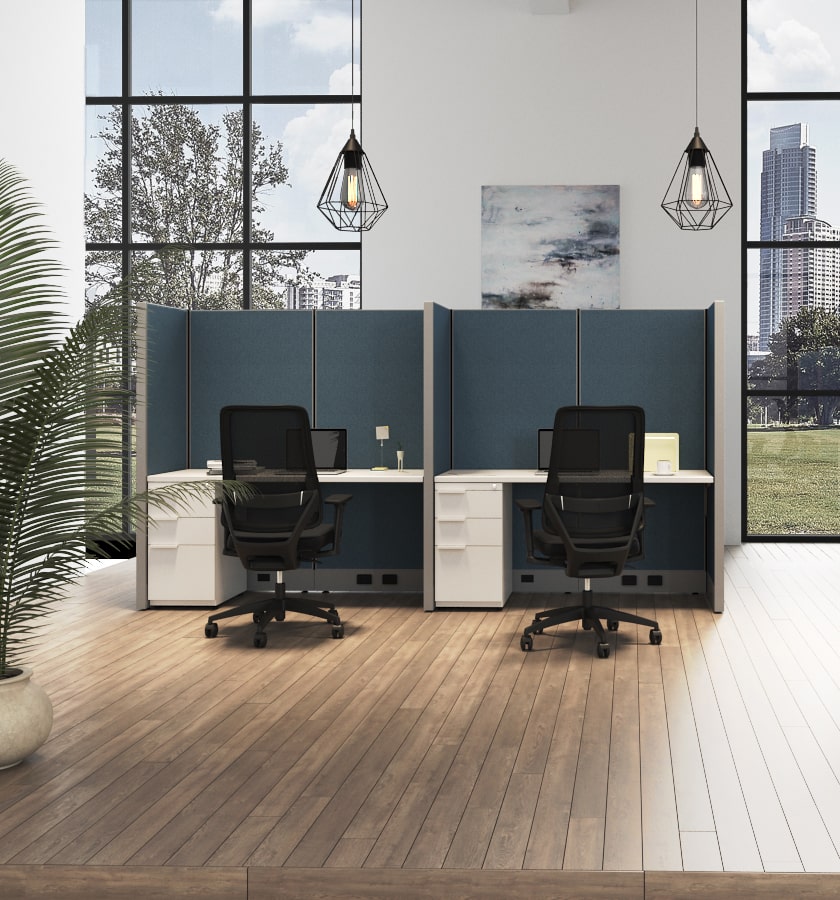
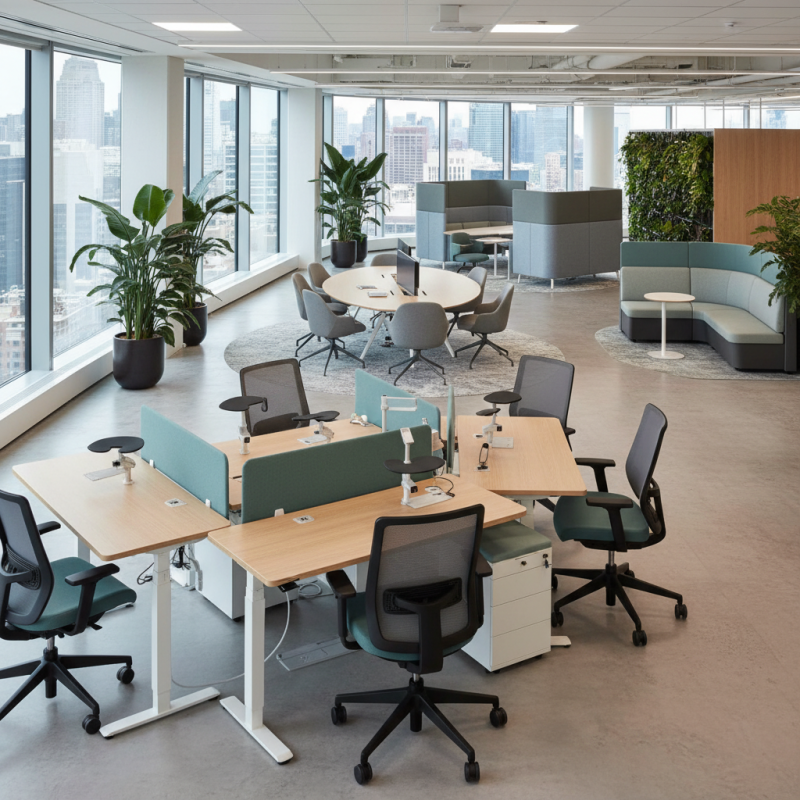
The shift towards flexible workspaces has become a defining trend in modern corporate culture, particularly as organizations adapt to hybrid models that combine remote and in-office work. This transformation emphasizes the need for furniture that not only meets aesthetic and functional requirements but also supports a dynamic work environment. Adjustable desks, collaborative seating areas, and modular furniture are emerging as essential components that allow employees to reconfigure their spaces based on their immediate needs, ultimately fostering productivity and creativity.
Furthermore, the design of these flexible workspaces encourages collaboration and interaction among team members. Open-plan layouts paired with quiet zones provide the perfect balance, allowing for both teamwork and focused individual work. Integrating technology into these environments, such as collaborative screens and easily accessible power sources, enhances the ability for teams to work together seamlessly, regardless of physical distance. As companies embrace this flexible approach, the way office furniture is conceptualized and utilized is continuously evolving, highlighting the importance of adaptability in the modern workplace.
Top 10 Corporate Furniture Trends for 2023 That Boost Workplace Productivity
Incorporating Biophilic Design: Enhancing Employee Well-Being and Focus
Incorporating biophilic design into corporate furniture not only enhances the aesthetic appeal of workspaces but also significantly contributes to employee well-being and productivity. By integrating natural elements such as plants, water features, and organic materials, companies can create environments that evoke a sense of tranquility and connection to nature. Research has shown that when employees are surrounded by greenery and natural light, their stress levels decrease, and their overall mood improves, leading to better focus and creativity.
Moreover, the strategic placement of biophilic elements in furniture design can foster collaboration and social interaction among team members. Open spaces with natural elements encourage communication and idea exchange, while dedicated areas with calming designs can serve as retreats for employees needing a moment of respite. As companies increasingly recognize the value of creating a holistic work environment, incorporating biophilic principles becomes crucial in designing furniture that supports both individual performance and collective well-being. This approach not only reflects a commitment to employee health but also cultivates a more engaged and productive workforce.
Ergonomic Innovations: Reducing Workplace Injuries and Increasing Comfort
The modern workplace is evolving, and one of the most critical aspects of this transformation is the focus on ergonomic innovations aimed at enhancing employee comfort and reducing injuries. As companies recognize the direct link between employee well-being and productivity, they are investing in furniture designs that promote healthy body posture and facilitate movement. From adjustable desks that allow workers to alternate between sitting and standing to chairs that provide lumbar support, these innovations are designed to reduce physical strain and prevent common workplace injuries.
In addition to traditional ergonomic solutions, emerging trends in corporate furniture also include the integration of smart technology. For instance, some innovative products now feature sensors that remind employees to take breaks or adjust their seating positions based on their movements. This proactive approach not only enhances comfort but also encourages a more dynamic work approach, fostering an environment where employees can thrive. As workplaces continue to prioritize health and comfort, ergonomic furniture will play a pivotal role in shaping the future of work.
The Rise of Collaborative Spaces: Fostering Teamwork and Creativity
The rise of collaborative spaces is reshaping the modern workplace, making it an essential element for boosting teamwork and creativity. As companies recognize the value of collaboration, they are increasingly designing offices that encourage spontaneous interactions among team members. Open layouts equipped with modular furniture allow employees to reconfigure their surroundings, fostering an environment conducive to brainstorming and problem-solving. These spaces often feature comfortable seating, writable surfaces, and technology that supports both in-person and remote collaboration, empowering teams to come together seamlessly.
Moreover, these collaborative spaces are not limited to traditional meeting rooms; they extend to break areas and informal gathering spots as well. By incorporating vibrant colors, diverse seating options, and engaging decor, organizations create an atmosphere that inspires innovation. Social hubs equipped with amenities like coffee stations or lounge areas invite employees to take breaks while promoting informal discussions that can lead to valuable insights. This approach not only enhances interpersonal relationships but also boosts overall morale and productivity, as employees feel more connected and invested in their work. As the trend continues to evolve, the focus remains on creating environments that prioritize collaboration and creativity, ensuring that workplaces serve as dynamic spaces for growth.
Top 10 Corporate Furniture Trends for 2023 That Boost Workplace Productivity
| Trend |
Description |
Impact on Productivity |
| Collaborative Workstations |
Open spaces designed for teamwork and innovation. |
Enhances collaboration and communication. |
| Ergonomic Furniture |
Furniture designed to support body posture and comfort. |
Reduces discomfort and increases focus. |
| Biophilic Design |
Incorporating natural elements into the workspace. |
Boosts creativity and reduces stress. |
| Multifunctional Spaces |
Areas that can be used for various activities. |
Improves flexibility and adaptability in work processes. |
| Tech-Integrated Furniture |
Furniture incorporating technology for seamless use. |
Enhances connectivity and productivity. |
| Quiet Zones |
Spaces dedicated to focus and individual work. |
Increases concentration and productivity. |
| Adjustable Desks |
Desks that can be adjusted for sitting or standing. |
Promotes health and reduces fatigue. |
| Color Psychology |
Using color schemes to influence mood and productivity. |
Enhances motivation and creativity. |
| Sustainable Materials |
Furniture made from eco-friendly materials. |
Improves employee morale and corporate responsibility. |
Conclusion
In 2023, the landscape of corporate furniture is evolving to enhance workplace productivity through innovative trends. A significant shift towards flexible workspaces is emerging as organizations adapt to hybrid models, allowing for greater employee autonomy and collaboration. Incorporating biophilic design is another key trend, as businesses recognize the importance of natural elements in the workplace to enhance employee well-being and focus.
Furthermore, ergonomic innovations are playing a crucial role in reducing workplace injuries and increasing comfort, ultimately leading to improved productivity. The rise of collaborative spaces fosters teamwork and creativity, enabling employees to engage more effectively with one another. Lastly, sustainability in office furniture is gaining traction as companies seek to meet corporate social responsibility goals, ensuring that their furniture choices reflect a commitment to environmental stewardship. Together, these trends highlight how corporate furniture is not just about aesthetics but a strategic element that influences overall workplace efficiency and employee satisfaction.