10 Essential Tips for Choosing Office Furniture for Your Workspace?
When it comes to designing an effective workspace, the choice of office furniture plays a crucial role. According to Mary Johnson, an expert in office design, "The right furniture can foster productivity and creativity." This underscores the importance of thoughtful selection in office furniture, making it not just about aesthetics but functionality as well.
Selecting office furniture is often overwhelming. There are countless options available, each claiming to enhance your workspace. It's essential to consider factors like ergonomics, style, and space utilization. A comfortable chair can improve focus, while a well-sized desk can maximize your area. Yet, this process can lead to mistakes if we overlook our actual needs.
Remember, not all office furniture suits every type of work. Assessing your team's dynamics and tasks is crucial. Forgetting to prioritize these factors can lead to unproductive environments. Every piece should support your work goals. Reflect on your choices; they can significantly impact both well-being and performance.
Understanding Your Workspace Needs and Ergonomics
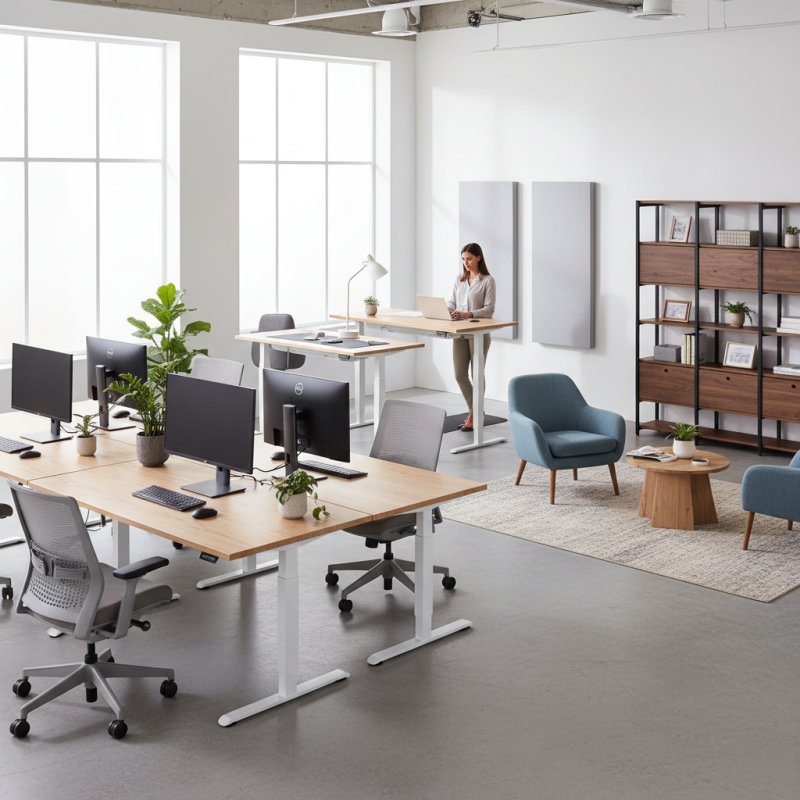
Choosing the right office furniture starts with understanding workspace needs and ergonomics. A recent report by the Occupational Safety and Health Administration indicates that poor ergonomics can lead to 50% of workplace injuries. This data underscores the importance of selecting furniture that enhances comfort and productivity.
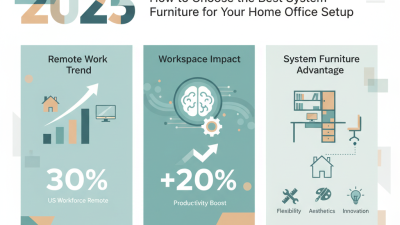
Consider desk height and chair support. Adjustable desks, for example, can reduce strain on the back. A study from the Journal of Occupational Health found that sit-stand desks increased productivity by 20%. Employees felt more energized and focused throughout the day. However, not all workplaces have the space for such desks, highlighting the need for flexibility in design choices.
Think about your lifestyle and daily tasks. If most work is done on a computer, invest in a monitor stand to maintain eye level. Incorporating storage solutions can also minimize clutter. Yet many organizations overlook these details, not realizing they can impact mental clarity. An organized space is crucial; without it, productivity dwindles. Keeping these points in mind fosters a healthier, more effective workspace.
Balancing Style and Functionality in Office Furniture
When selecting office furniture, it’s vital to balance style and functionality. A sleek desk with clean lines can enhance a workspace's aesthetic. However, it must also accommodate your daily tasks. Consider your work patterns. Do you require ample surface space? A larger desk might suit you best.
Alternatively, if space is tight, a compact model could be the answer.
Choose chairs that offer comfort and support. Ergonomics should guide your choice. An attractive chair might be tempting, yet if it’s uncomfortable, you won’t enjoy using it. Think about using colorful accents. They can brighten a dull environment but ensure colors don’t distract you from your work. Lighting, often overlooked, is crucial. Natural light can boost mood, while functional lamps enhance focus.
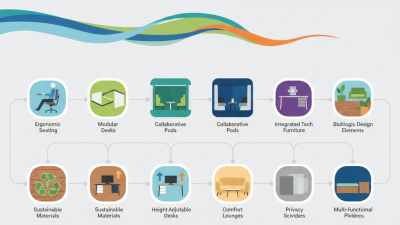
Furniture should also adapt to your needs. Modular pieces offer flexibility, allowing you to rearrange your office as projects change. Investing in quality over quantity can lead to long-term satisfaction. Yet, it’s worth reflecting on past choices. What worked previously? Have you assessed whether those choices still align with your current workspace goals? Balancing style with function requires ongoing evaluation.
Budgeting for Office Furniture: Cost vs. Quality
When budgeting for office furniture, cost and quality often clash. It's tempting to go for cheaper options, but low-cost items can lead to greater expenses down the line. Poor quality furniture may fail sooner, requiring replacements sooner. This can disrupt workflow and decrease productivity.
Consider your workspace needs. An uncomfortable chair or poorly organized desk can affect employee morale. Investing in good quality ergonomic chairs might seem costly, but the long-term benefits outweigh the initial investment. Choose furniture that suits your space and enhances functionality.
When browsing, keep these tips in mind. Measure your workspace accurately. Create a balance between aesthetics and practicality. Sometimes, less known brands offer great value without compromising on quality. Look for warranties. A guarantee can often signal a manufacturer’s confidence in their product. Remember, your office furniture is a long-term investment.
Planning for Flexibility and Future Growth in Your Workspace
Planning for flexibility in your workspace is crucial for any organization. As reports suggest, 70% of companies expect changes in their business structure within the next five years. This means your office furniture should adapt to evolving needs.
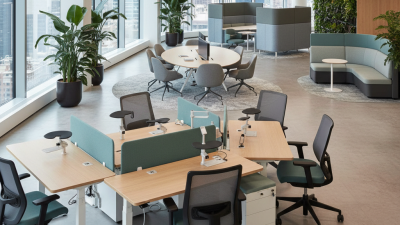
Choosing modular furniture is a practical tip. These pieces can rearrange easily, allowing teams to collaborate or work in solitude. Think of desks with adjustable heights. They cater to various working styles, promoting comfort and productivity. Moreover, prioritize storage options. Data shows that well-organized spaces can increase efficiency by up to 20%.
Investing in quality furniture can sometimes feel daunting. However, cheap alternatives may lead to more frequent replacements. This could become costlier in the long run. It's essential to find a balance. Consider your team's size and potential growth. If you're expanding, think about scalable designs. Flexibility doesn't just enhance aesthetics; it can also improve employee morale. Your workspace should reflect growth and adaptability.