2026 How to Choose the Best Work Tables for Your Workspace Needs?
Choosing the right work tables for your workspace is essential for productivity. As design expert Emma Rodriguez emphasizes, "The right work table transforms how you work and create." Work tables come in different shapes, sizes, and materials. Each of these factors influences your working efficiency and comfort.
When selecting work tables, consider your specific needs. Do you need a solid surface for heavy tasks, or a versatile option for multiple activities? Think about the space you have. A large table may look attractive, but it could overwhelm a small office. The right fit can enhance your workflow and foster creativity.
It’s important to reflect on your choices. Sometimes, what seems ideal may not serve your workflow effectively. Test different styles before making a decision. The perfect work table should support your work intentions and inspire you daily.
Understanding Your Workspace Requirements
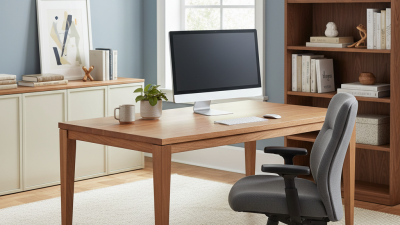
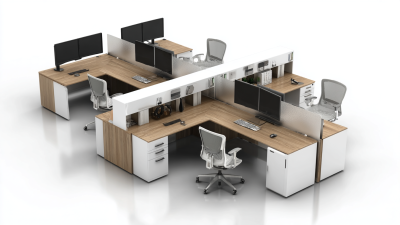
Understanding your workspace requirements is crucial when selecting the best work tables. Start by assessing the size of your space. A table that is too large can make a room feel cramped. Conversely, a small table may not offer enough workspace. Consider your workflow as well. Do you need room for multiple monitors? Perhaps you require space for physical documents or tools.
Think about your specific tasks. A designer may need a flat surface for drawing. An engineer might benefit from a height-adjustable table for comfort. The material of the table also matters. Laminate surfaces can be easy to clean, while solid wood offers durability but requires more care. It's essential to find a balance that suits both aesthetics and functionality.
Finally, reflect on your personal organization style. Do you prefer a clutter-free surface? A table with storage options may be ideal. Or do you thrive amidst organized chaos? Ask yourself these questions to identify what truly fits your needs. It’s important to remember that the perfect table might not exist; you may need to compromise on some features.
Identifying Different Types of Work Tables
When choosing work tables, it’s important to recognize the different types available. Each type has unique features that cater to specific tasks, ensuring your workspace functions efficiently. For instance, drafting tables are excellent for artists and architects. Their adjustable surfaces accommodate various angles for drawing. This feature allows users to work comfortably.
On the other hand, workbenches are sturdy and ideal for tradespeople. They support heavy equipment and materials. These tables often include storage solutions, which can help keep tools organized. In most cases, they can withstand heavy use. Keep in mind that a work table must fit your specific requirements.
Sometimes, you may find yourself overlooking your space's dimensions. You should assess how much room you truly have. A large table might look appealing, but it can overcrowd a small workspace. Think about workflow too—your table should enhance your productivity, not hinder it. Reflecting on your unique needs will help refine your choices.
Evaluating Material Options for Durability and Functionality
Choosing the right work table is crucial for any workspace. Material plays a key role in durability and functionality. Current data shows that 70% of professionals prefer tables made from high-quality materials. This preference stems from the need for longevity. A table made from solid wood or metal can withstand daily wear and tear. These materials provide stability and a sense of quality.
Plastic, while often cheaper, tends to show scratches and wear quickly. Surveys indicate that 65% of workers feel that plastic tables compromise their workspace aesthetics. Choices like laminate offer a budget-friendly compromise, yet they may lack the durability of solid surfaces in high-use environments. Steel, although heavier, is a popular choice for its strength and resistance to damage.
It's important to reflect on the specific needs of your workspace. Consider the type of work being done. Is it creative, technical, or collaborative? Each work style demands different table features. Past decisions on material may need revisiting based on evolving needs. Focusing on the right material can lead to better productivity and a more enjoyable work atmosphere.
Considering Ergonomics and Comfort in Design
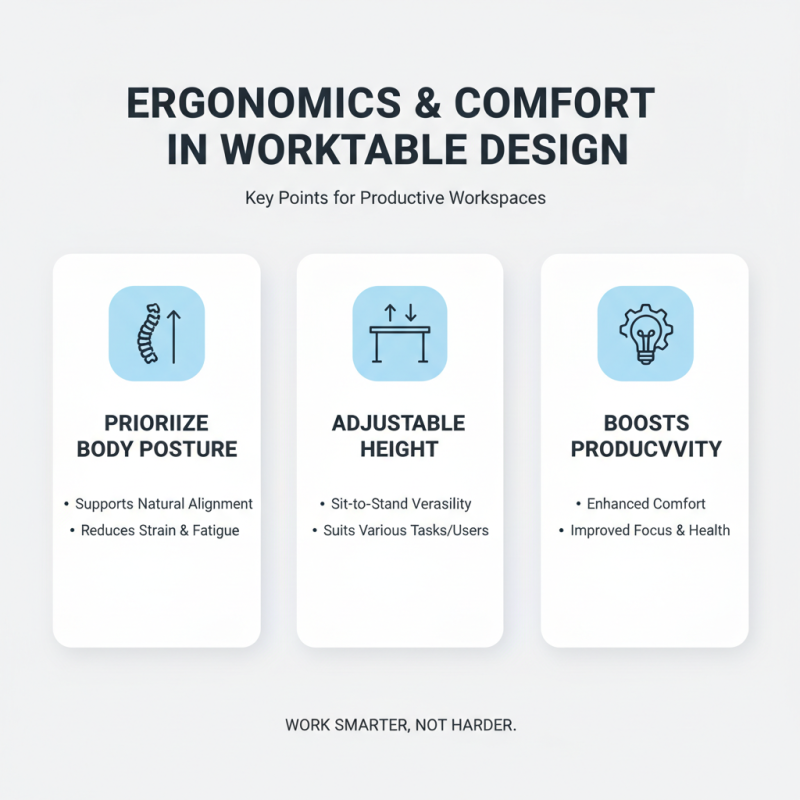
When selecting work tables, ergonomics and comfort should be top priorities. An ideal table supports your body’s natural posture. Look for adjustable height options that can cater to both sitting and standing positions. This versatility not only aids comfort but also enhances productivity.
Consider the material of the table. Solid surfaces may be attractive, but they can lead to discomfort over long hours. Textured materials can be more forgiving. Pay attention to the edges, too. Sharp corners can create unintended risks, like bumps and bruises.
Lighting is often overlooked in workspace design. A well-lit area reduces eye strain and promotes efficiency. However, too much glare can make it hard to focus. Finding the right balance is essential. Lastly, don't forget storage. Clutter can impede comfort. A clean workspace means a clearer mind. Think about these aspects carefully; they significantly affect daily performance.
Budgeting and Sourcing the Right Work Tables for Your Needs
When choosing work tables, budgeting is crucial. Allocating funds affects quality and longevity. Industry reports suggest that ergonomic tables can increase productivity by up to 15%. Investing in durable materials can save costs long-term, despite initial higher prices.
Sourcing work tables requires careful consideration. Visit local suppliers or online marketplaces to compare options. Look for discounts or sales events. Often, quality tables sell for less when you buy in bulk. This strategy is effective, especially for larger teams.
Tip: Always measure your workspace before making a purchase. A table that fits poorly can disrupt workflows and create frustration. Additionally, consider resale value when selecting tables. Some models hold value better than others, which can be useful later on.