Why Office Furniture Design Matters for Global Buyers?
Office furniture design plays a crucial role for global buyers in today's market. It shapes the workplace environment and influences employee productivity. Thoughtfully designed furniture does more than fill a space; it enhances functionality and aesthetics.
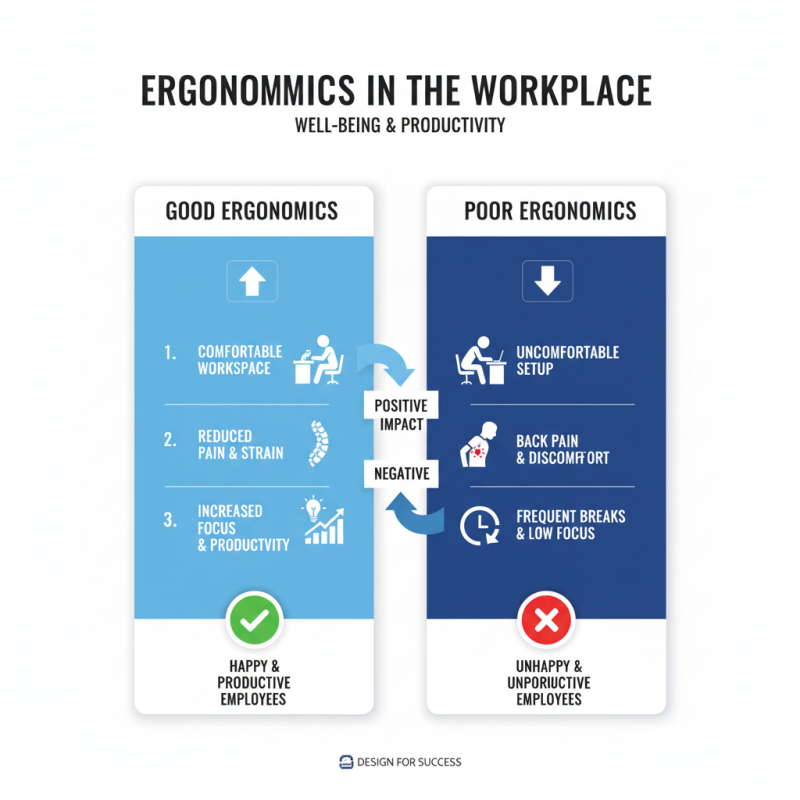
When selecting office furniture, buyers consider ergonomics, style, and durability. An ergonomic chair can promote better posture, while stylish desks create a welcoming atmosphere. However, not all designs cater to diverse needs, leading to potential discomfort. Discrepancies in design practices could leave some users dissatisfied.
Buyers must navigate these challenges. They need to find a balance between beauty and practicality in office furniture design. Importantly, choosing the right pieces can make a significant impact on employee morale. An effective design fosters collaboration and creativity, ultimately influencing the company's success.
The Importance of Office Furniture Design in Global Markets
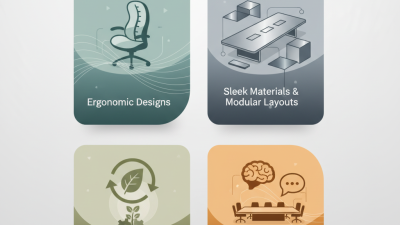
In global markets, office furniture design plays a crucial role in creating an effective workspace. The design choices can reflect a company's culture and values. Moreover, they influence employee productivity and satisfaction. Companies must prioritize ergonomic designs to enhance comfort.
Tips: Always consider the office layout. Open spaces may require communal seating. Private offices benefit from personalized desks. Understand how each piece can facilitate collaboration or focus.
Using sustainable materials is essential. Buyers are increasingly looking for eco-friendly options.
A well-designed workspace can attract talent and retain employees. However, balance needs to be struck between aesthetics and functionality.
Investing in quality furniture might seem expensive initially. However, cheap options can lead to higher replacement costs. Strive to find pieces that offer durability and style. Design choices are foundational to a company’s reputation in the market.
Key Factors Influencing Global Buyers' Office Furniture Choices
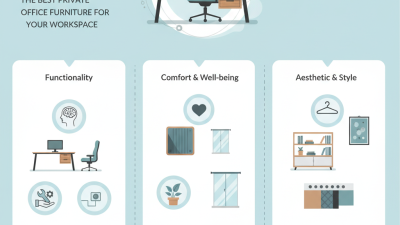
Office furniture design significantly influences global buyers. It reflects a company's culture, promotes productivity, and creates an inviting work environment. Buyers consider aesthetics, functionality, and ergonomics. An office chair must not only look good but also support health and comfort. This balance is essential for today's employees who spend long hours at their desks.
Tips: Consider investing in modular furniture. It allows for flexibility and can adapt to various team sizes. Evaluate materials for durability and maintenance. Quality pieces may require a higher initial investment but save costs in the long run.
Sustainability is also a strong factor in buyer decisions. Eco-friendly materials and practices are gaining attention. Buyers often seek vendors committed to reducing their environmental impact. However, not every brand meets these standards.
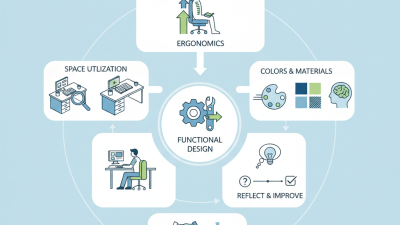
Prioritize true ergonomic features over mere aesthetics. This fosters genuine well-being among employees. Assess the practical functionality of designs. It's easy to get distracted by trendy looks, but functionality should not be overlooked. A blend of attractive design and practical use is crucial for modern office spaces.
Why Office Furniture Design Matters for Global Buyers? - Key Factors Influencing Global Buyers' Office Furniture Choices
| Factor |
Importance Level (1-5) |
Impact on Purchasing Decision (%) |
| Ergonomics |
5 |
80% |
| Aesthetic Appeal |
4 |
70% |
| Material Quality |
5 |
75% |
| Sustainability |
4 |
65% |
| Cost |
5 |
85% |
| Functionality |
5 |
78% |
| Brand Reputation |
3 |
60% |
| Innovation |
3 |
55% |
Sustainability Trends in Office Furniture Design for Global Buyers
Sustainability is becoming crucial in office furniture design. Global buyers now prioritize eco-friendly materials. They want to ensure their purchases have a lower environmental impact. This trend is reshaping the industry. Manufacturers are responding by sourcing sustainable materials such as recycled plastics and responsibly harvested wood. These choices reduce waste and pollution.
Design trends also emphasize longevity and versatility. Buyers are looking for furniture that lasts, minimizing replacements and waste. Modular designs enable adaptability in various workspaces. This flexibility meets changing needs while promoting sustainability. However, not all designs achieve this balance. There can be a focus on aesthetics over functionality, leading to quick obsolescence.
Transparency in sourcing is vital for buyers. Understanding where materials come from builds trust. However, supply chains can be complex and hard to trace. Without clear data, buyers may struggle to make informed decisions. This challenge calls for greater industry collaboration. Open communication can drive accountability and innovation in sustainable practices.
Cultural Considerations in Office Furniture Design Across Different Regions
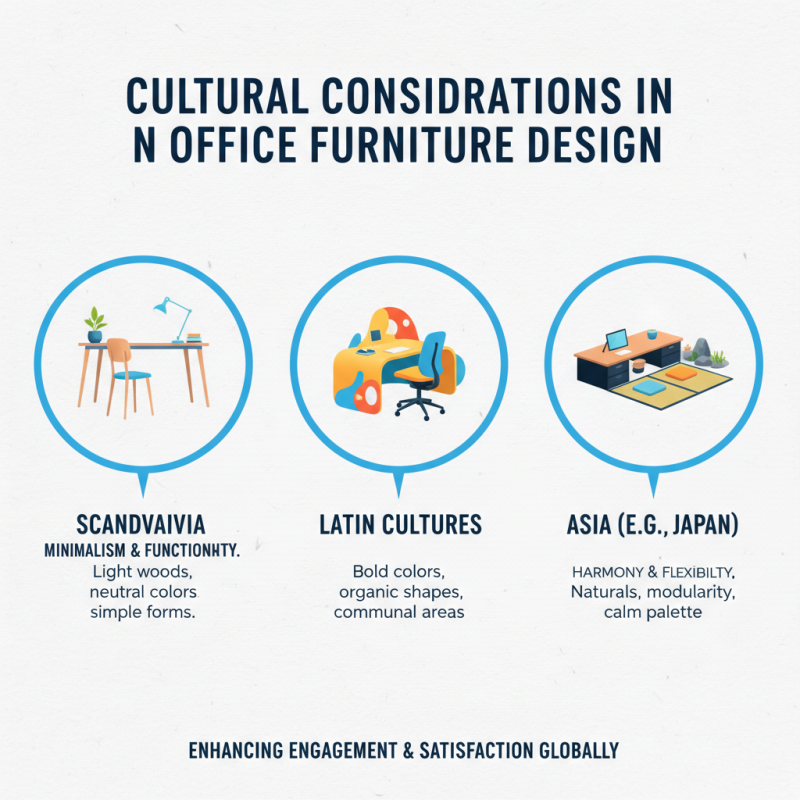
Cultural considerations significantly impact office furniture design worldwide. Each region has unique preferences shaped by local traditions and values. For example, Scandinavian designs often emphasize minimalism and functionality. Bright colors and playful shapes may dominate in Latin cultures, reflecting a vibrant lifestyle. Understanding these preferences can enhance employee engagement and satisfaction.
In Asia, the blend of modernity and tradition plays a crucial role. Open spaces are popular, yet privacy is valued in many cultures. Incorporating natural elements, like plants and wood, aligns with cultural reverence for nature. This approach can create a harmonious workspace that resonates with local beliefs.
However, designing for global markets is not without challenges. Misinterpretations of cultural symbols can lead to awkward placements of colors or forms. Additionally, functionality must balance aesthetic appeal. A piece may look striking but fail to support day-to-day tasks. Designers must continuously reflect and adapt to ensure their creations meet diverse needs and tackle cultural nuances effectively.