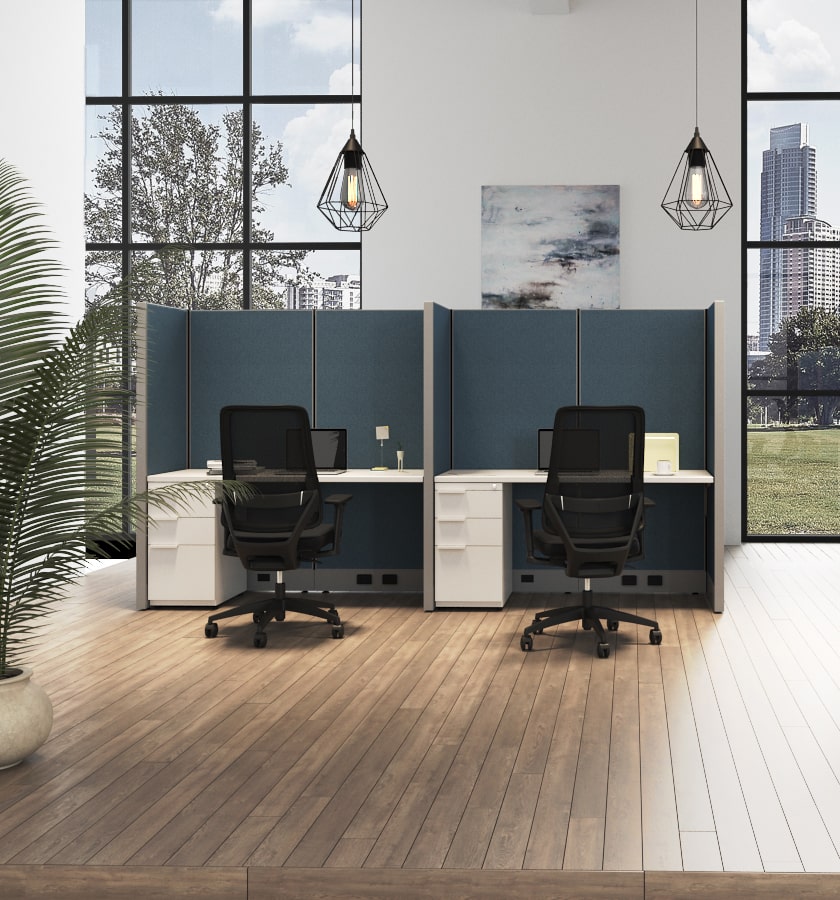
Top 10 Corporate Furniture Trends to Transform Your Office Space
As businesses continually adapt to changing work environments, the role of corporate furniture has never been more pivotal in shaping office spaces that foster productivity and employee well-being. According to industry expert Jane Doe, a leading consultant in corporate office design, "The choice of corporate furniture not only influences the aesthetics of the workspace but also impacts the overall culture of the company." This quote captures the essence of why selecting the right furniture is essential for modern offices.
With the rise of remote work and the evolving needs of the workforce, companies are re-evaluating their interior layouts and furniture choices. Emphasizing comfort, versatility, and sustainability, the latest corporate furniture trends are set to transform traditional workspaces into collaborative and inviting environments. By integrating innovative design elements, organizations can provide employees with spaces that enhance creativity and promote engagement.
In this exploration of the top ten corporate furniture trends, we will delve into the features that are reshaping office landscapes and how they contribute to a more dynamic workplace. From ergonomic solutions to multi-functional pieces, the right corporate furniture can significantly influence daily operations and organizational success.

Emerging Biophilic Design Trends: Enhancing Well-being in Workspaces
Emerging biophilic design trends are transforming modern office spaces by fostering health and well-being among employees. Biophilic design, which incorporates natural elements into the workplace, has been increasingly recognized for its ability to enhance productivity and reduce stress. According to a report by the Human Spaces Global Report, workplaces that integrate natural elements can increase employee well-being and productivity by up to 15%. This is critical in today’s fast-paced work environments where mental health is a growing concern.
Integrating biophilic design can take various forms, including natural lighting, indoor plants, and the use of natural materials. Studies indicate that access to natural light can significantly improve employee performance and satisfaction, with a 20% increase in productivity reported in environments that optimize natural illumination. Furthermore, the presence of plants has been shown to enhance air quality and reduce absenteeism, making greenery an essential component for modern office designs. The emphasis on creating spaces that mirror the natural world not only benefits individual employees but also contributes to a more engaged and motivated workforce overall.
The Rise of Sustainable Materials: Corporate Responsibility in Furniture Design
The rise of sustainable materials in corporate furniture design reflects a broader awareness of corporate responsibility and environmental impact. Organizations are increasingly opting for furniture crafted from renewable resources, recycled materials, and eco-friendly processes. This shift not only minimizes the ecological footprint but also resonates with employees and clients who value sustainability. By choosing furniture that aligns with green principles, companies can foster a culture of responsibility and innovation, enhancing their corporate image while contributing positively to the environment.
When selecting sustainable office furniture, prioritize materials that are certified by recognized environmental standards. Look for furnishings made from reclaimed wood or bamboo, which grow rapidly and can be harvested sustainably. Additionally, consider pieces upholstered in organic fabrics, which avoid harmful chemicals and contribute to healthier indoor air quality.
Tips for implementing sustainable practices in your office design include engaging with local artisans who use reclaimed materials and opting for modular furniture that can be easily reconfigured and reused. This not only supports local economies but also encourages a circular economy approach. Emphasizing sustainability in your workspace design can enhance employee satisfaction and productivity, making your office not just a place to work, but a hub for innovation and eco-consciousness.
Ergonomic Solutions: Boosting Productivity and Employee Satisfaction
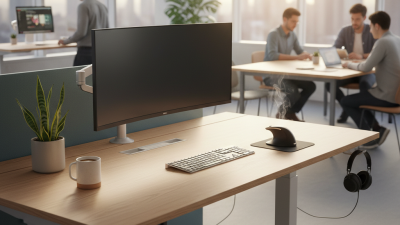
Ergonomic solutions have become essential in modern office design, significantly impacting both productivity and employee satisfaction. According to a report published by the Occupational Safety and Health Administration (OSHA), ergonomic workstations can lead to a 25% increase in productivity. This is largely due to the reduction of physical strain on employees, which in turn minimizes discomfort and the likelihood of workplace injuries. By investing in ergonomic chairs, adjustable desks, and proper computer setup, companies can create an environment that fosters efficiency and well-being.
Furthermore, a study by the Global Workplace Analytics shows that adopting ergonomic furniture can reduce employee turnover rates by up to 50%. When employees feel comfortable and valued in their workspace, their morale improves, leading to greater job satisfaction and loyalty. Companies that prioritize ergonomic solutions not only invest in their workers' health but also enhance the overall workplace culture. As businesses increasingly recognize the importance of a conducive work environment, integrating ergonomic solutions stands out as a transformative trend.
Tech-Integrated Furniture: Adapting Offices for the Digital Age
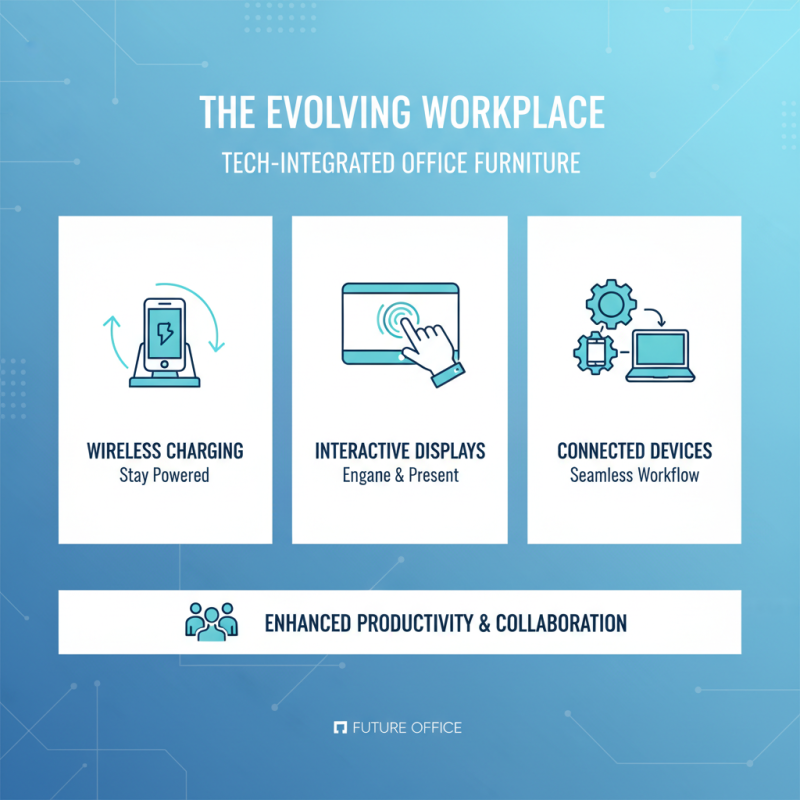
In today's fast-paced corporate environment, workplaces are evolving to meet the demands of a digital age. One of the most significant trends is the integration of technology into office furniture, creating adaptable and multifunctional spaces. Tech-integrated furniture not only enhances productivity but also fosters collaboration among team members. Desks equipped with built-in wireless charging, interactive screens, and connected devices are becoming staples in modern offices, enabling seamless transitions between individual tasks and group projects.
When considering tech-integrated furniture for your office, focus on versatility. Look for desks that can easily convert from sitting to standing, allowing employees to choose their preferred working posture throughout the day. Additionally, ensure that meeting tables are equipped with integrated technology that supports video conferencing and brainstorming sessions. This will facilitate smoother communication and make it easier for remote team members to stay engaged in discussions.
Another key aspect is cable management. A clutter-free workspace enhances both productivity and focus. Opt for furniture that includes cable management solutions to keep cords organized and out of sight. This not only creates a more aesthetically pleasing environment but also helps in maintaining the longevity of tech equipment. As you integrate tech into your office furniture, always prioritize user experience to create a harmonious and efficient workplace.
Flexible Workspace Concepts: Supporting Collaboration and Creativity
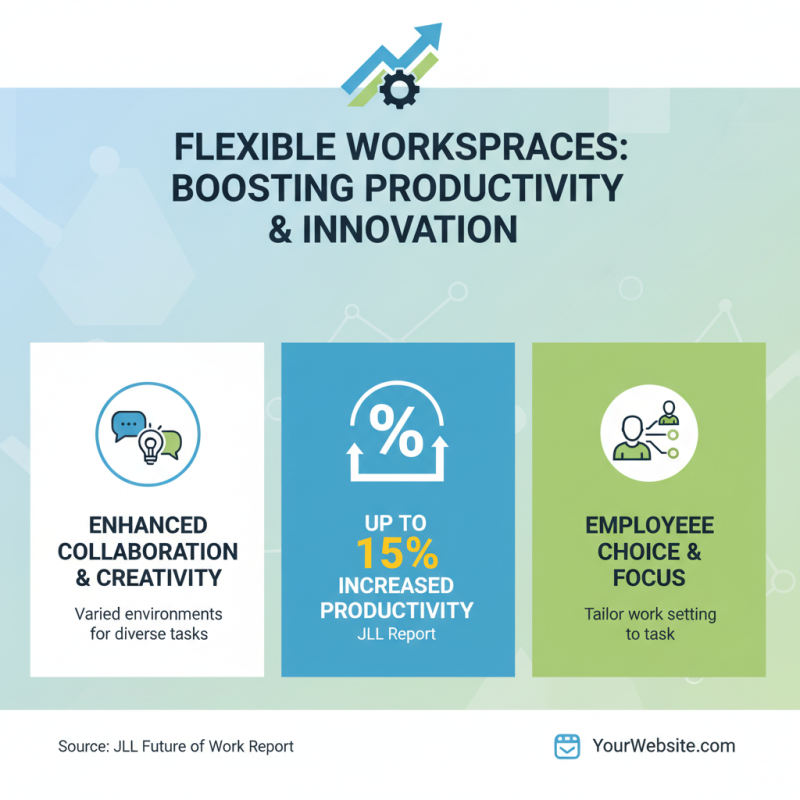
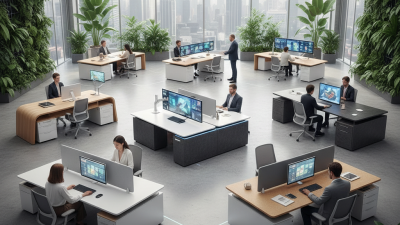
As workplaces evolve, flexible workspace concepts have emerged as a critical strategy for enhancing collaboration and creativity among employees. According to a recent report by JLL, organizations that embrace flexible workspace solutions can increase employee productivity by up to 15%. This shift is largely attributed to the incorporation of varied work environments, where employees can choose settings that best suit their tasks—whether it’s collaborative areas for brainstorming sessions or quiet zones for focused work.
Furthermore, the Global Workplace Analytics report indicates that flexible workspaces can also lead to significant cost savings for businesses. Companies that adopt modern, adaptable environments have the potential to reduce real estate costs by around 30% by maximizing occupancy rates and decreasing the square footage required per employee. The design of these spaces not only promotes teamwork but also fosters an inclusive culture where creativity can flourish, empowering employees to collaborate across departments seamlessly. As businesses continue to adapt to the changing landscape of work, prioritizing flexibility in office design will remain essential to attracting and retaining top talent while driving innovation.