Top 10 Office Interiors Tips for a Productive Workspace?
In today's fast-paced work environment, the design of office interiors plays a pivotal role in enhancing productivity. A report from Steelcase reveals that 89% of employees prefer a workspace that accommodates their needs. The right office interiors can significantly influence employee satisfaction and performance. Effective layout, lighting, and color schemes are crucial components that can transform an ordinary workspace into an inspiring environment.
Research shows that companies prioritizing thoughtful office interiors see a 20% increase in employee engagement. However, many organizations overlook the impact of workspace design on their team's well-being. A poorly designed office can lead to distractions and decreased productivity. Balancing aesthetics with functionality is essential, but it often requires ongoing refinement.
Creating a productive workspace involves continuous assessment. What works today may not suit future needs. Office interiors must evolve alongside changing work dynamics. Investing in innovative designs is not just trendy; it’s imperative for fostering an efficient workplace. Understanding these dynamics can lead teams to craft spaces that not only look good but also work better.
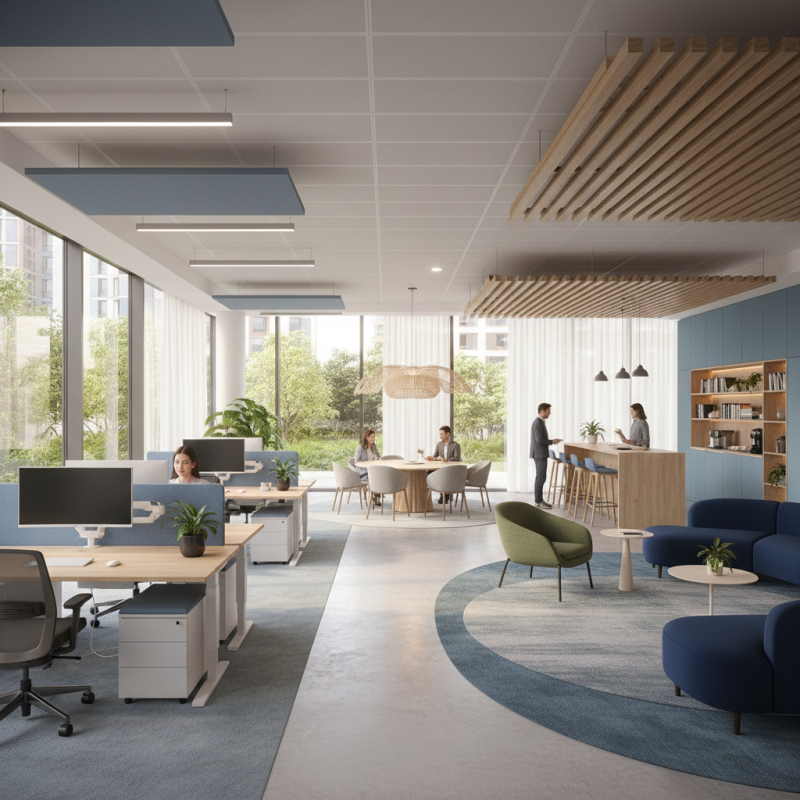
Essential Factors to Consider for Office Layout Design
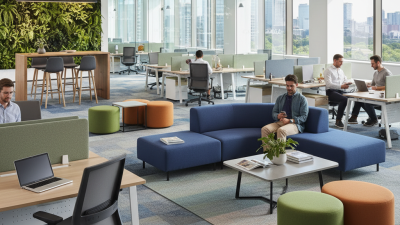
Creating an effective office layout is essential for enhancing productivity. Start by considering your workspace flow. How team members interact in the environment impacts collaboration. Open spaces can encourage communication, but excessive noise may hinder concentration. A blend of private and shared areas often works best.
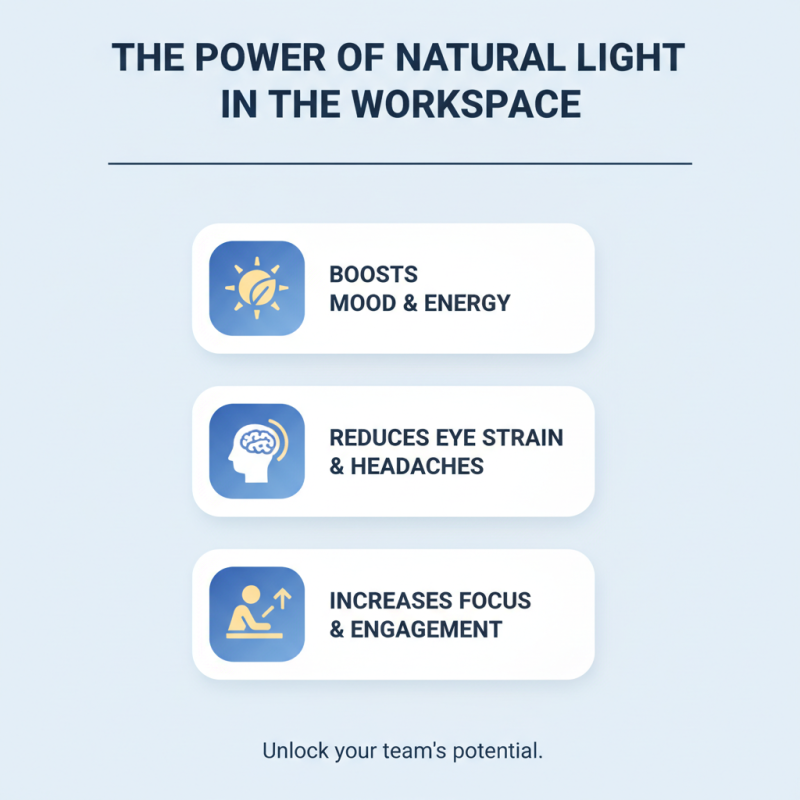
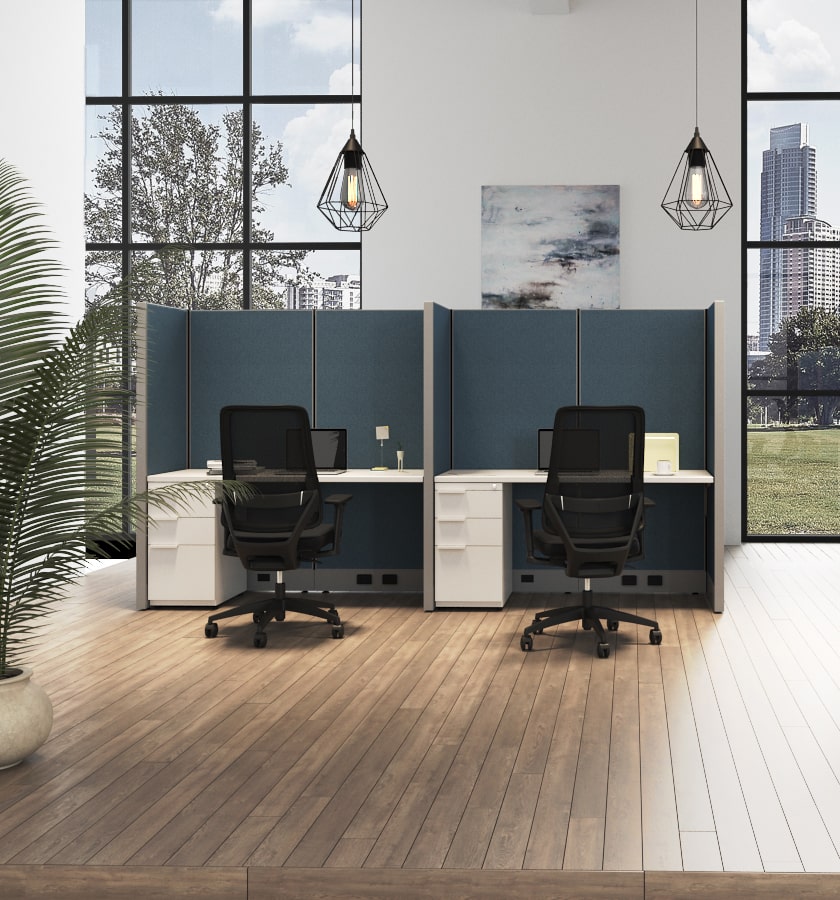
Incorporate elements that promote comfort. Ergonomic furniture is important. Chairs should support posture and reduce strain. Desks at the right height can make a difference. Also, consider natural light. Windows can improve mood and energy levels. Ensure that workstations are well-lit without glare.
Lastly, personalize the space. Allow employees to add personal touches, which can increase their connection to the workspace. Plants can also enhance air quality and aesthetics. Reflect on how often you evaluate your office layout. Small changes can lead to significant improvements in productivity and employee well-being.
Choosing the Right Color Scheme for Enhanced Creativity
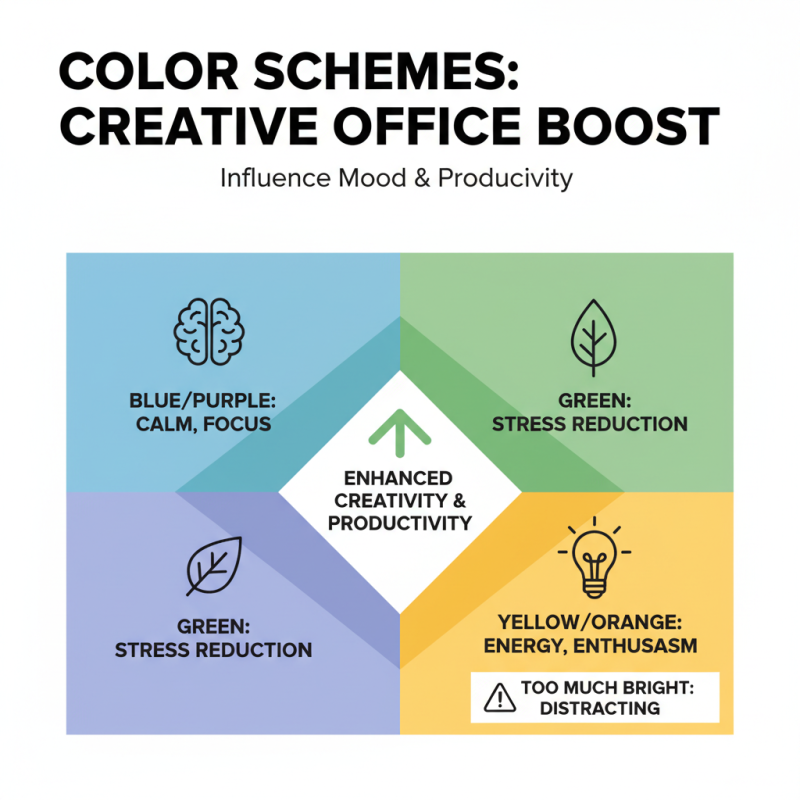
Choosing the right color scheme can significantly boost creativity in office interiors. Colors have a strong influence on mood and productivity. For instance, blue shades often promote calmness and focus. Incorporating green elements can reduce stress. Bright accents, like yellows and oranges, stimulate energy and enthusiasm, yet too much can be distracting.
Experimenting with different color palettes is crucial. Consider how colors affect overall functionality. A dark room can feel cozy but may hinder creativity. Light colors can open up space, making it feel larger. However, too much white can feel sterile and uninspiring. Balancing vibrant shades with subtle tones encourages innovation while maintaining comfort.
Feedback from employees is essential in color selection. Different individuals respond uniquely to various hues. Observing how your team interacts with colors can lead to surprising insights. A creative workspace might need adjustments over time. Ensure that the chosen scheme aligns with the evolving dynamics of the team.
Ergonomic Furniture: Creating Comfort and Reducing Fatigue
An effective workspace heavily relies on ergonomic furniture. Employees spend about eight hours a day seated. This extended period can lead to discomfort and fatigue. According to the Occupational Safety and Health Administration (OSHA), proper ergonomics can reduce musculoskeletal disorders by up to 80%. This underlines the importance of choosing the right office chairs and desks.
Ergonomic chairs provide essential support for the back and neck. They should adjust in height and allow for proper posture. A chair that promotes a straight spine can significantly reduce pain and distractions. Additionally, desks at appropriate heights prevent strain during prolonged computer use. The right setup can lead to higher productivity levels, boosting overall company performance.
Moreover, an environment that encourages movement contributes positively to well-being. Standing desks or alternative workstations allow breaks from sitting. Research shows that standing for part of the day can increase energy levels and focus. Creating a balance between sitting and standing is vital. However, it requires careful planning and adjustment. Not every employee will respond the same way to these changes. Flexibility in the workspace setup is crucial for optimal comfort.
Incorporating Greenery for Improved Air Quality and Well-being
Incorporating greenery into office interiors can significantly enhance air quality and overall well-being. Research by the Center for Health Design shows that plants can reduce carbon dioxide levels in indoor spaces by up to 25%. This reduction can lead to improved cognitive function and increased productivity. Office workers exposed to plants report feeling less stressed and more focused.
Studies by the University of Exeter reveal that having plants in the workplace can improve employee mood by 47%. Additionally, a connection to nature can inspire creativity. However, it is essential to choose the right plants. Not all greenery thrives indoors, and some may require specific care. Potted plants like snake plants or pothos are excellent choices due to their low maintenance needs.
While incorporating plants is beneficial, it requires planning. Some employees may have allergies or sensitivities, making it crucial to choose non-allergenic varieties. Regular maintenance is also necessary to ensure the plants remain healthy and delightful. This reflects a commitment to creating a nurturing environment. Thoughtful selection and care can lead to a vibrant workspace that elevates both air quality and employee well-being.
Top 10 Office Interiors Tips for a Productive Workspace
| Tip No. |
Interior Tip |
Benefits |
Air Quality Impact |
| 1 |
Incorporate Indoor Plants |
Boosts Creativity & Focus |
Removes toxins & Improves humidity |
| 2 |
Use Natural Light |
Enhances Mood & Energy |
Reduces eye strain |
| 3 |
Use Ergonomic Furniture |
Reduces Physical Strain |
Promotes better posture |
| 4 |
Colors Create Atmosphere |
Influences Emotions |
Affects mental state |
| 5 |
Incorporate Breakout Areas |
Encourages Collaboration |
Improves air circulation |
| 6 |
Soundproofing |
Reduces Distractions |
Creates a serene atmosphere |
| 7 |
Personalize Your Space |
Increases Engagement |
Creates a healthy work environment |
| 8 |
Regular Maintenance |
Ensures Comfort |
Prevents dust accumulation |
| 9 |
Use of Textures |
Adds Dimension |
Enhances aesthetic appeal |
| 10 |
Maintain a Clean Space |
Promotes Focus |
Improves indoor air quality |