Top 10 Office Solutions to Boost Productivity in 2026
In the fast-evolving landscape of work, effective office solutions are crucial for enhancing productivity. According to a recent report by the International Facility Management Association, organizations that adopt innovative office solutions can see productivity increases of up to 30%. This evolution necessitates a fresh look at how we configure and manage our workspaces.
In 2026, embracing technology and flexible environments will be key. Remote work and hybrid models demand tools that facilitate collaboration and communication. A 2021 study by McKinsey indicated that businesses using digital collaboration tools outperform their competitors by 20%. However, some companies overlook the importance of training staff to utilize these solutions effectively.
While many organizations are eager to invest in new office solutions, they often ignore the ongoing feedback from employees. Ignoring these insights can create gaps in productivity. As we move forward, a more inclusive approach to designing office solutions is essential. Addressing potential shortcomings in implementation can lead to a more engaged and productive workforce.
Key Trends Shaping Office Productivity Solutions in 2026
In 2026, office productivity solutions will evolve rapidly. Remote work continues to shape how teams collaborate. A recent report indicates that 70% of employees prefer flexible work environments. This preference influences the design of modern office solutions. Companies must adapt to these changing dynamics to maintain productivity.
One key trend is the rise of integrated technology. Employees will rely more on tools that enable seamless communication and project management. Data from industry analysts shows that 65% of organizations plan to invest in AI-powered systems. These tools help automate routine tasks, allowing employees to focus on creative work. However, not all organizations will successfully implement these technologies due to various challenges.
Another area requiring reflection is employee well-being. Companies often overlook mental health support in productivity discussions. Poor mental health can decrease productivity by up to 14%. It’s critical for organizations to provide resources that support employees' well-being. Balancing technology and human factors is essential for sustainable productivity in evolving workplaces.
Integration of Artificial Intelligence in Office Tools
As we look towards 2026, the integration of artificial intelligence into office tools is set to redefine productivity. Recent studies indicate that AI can enhance office efficiency by up to 40%. These tools streamline repetitive tasks, allowing employees to focus on more strategic initiatives. For example, AI-driven scheduling assistants can optimize meeting times across busy calendars, saving hours each week.
Tips: Leverage automation for routine tasks. Identify processes that can be automated to free up time for critical thinking.
However, the transition to AI involves challenges. Employees may feel anxious about job displacement or the adequacy of AI tools. A report suggests 55% of workers worry that AI could undermine their roles. Hence, organizations must prioritize training and transparent communication, ensuring staff feels confident in using these advanced tools.
Tips: Provide regular training. Encourage employees to experiment with AI features and share feedback for improvements.
Another concern is data privacy. As AI systems require access to large datasets, companies must navigate ethical implications. Striking a balance between leveraging AI capabilities and respecting privacy is vital. Engaging in ongoing discussions about these topics will be crucial in fostering a productive workplace.
Remote Collaboration Technologies Enhancing Team Efficiency
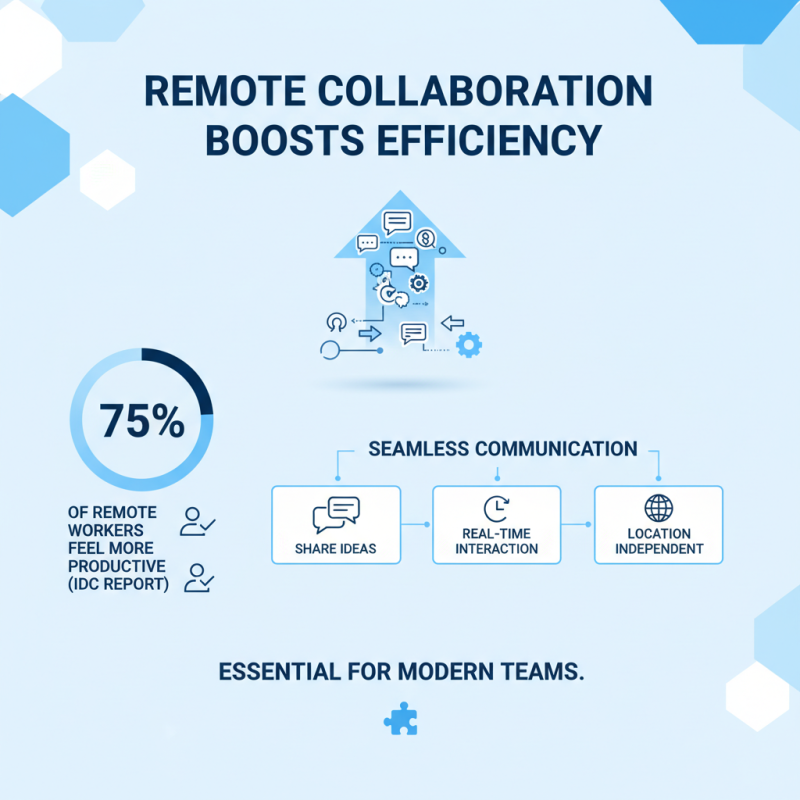
Remote collaboration technologies are becoming essential in boosting team efficiency. A recent report from the International Data Corporation (IDC) indicates that 75% of remote workers feel more productive due to advanced collaboration tools. These technologies facilitate seamless communication. Employees can now share ideas in real-time, irrespective of their location.
However, not all solutions are a perfect fit. Some tools create information overload. As per a study by McKinsey, employees spend 28% of their workweek managing emails and messages. This can hinder productivity rather than enhance it. Teams often face challenges in choosing the right tools. When poorly integrated, these solutions can lead to frustration.
Moreover, the reliance on technology can result in a disconnect among team members. A Harvard Business Review article highlights that 47% of remote workers experience feelings of isolation. Effective collaboration also demands more than just tools; it requires a change in mindset. Teams need to engage proactively to maximize these technologies’ benefits. Balancing technology use with human connection remains crucial.
Ergonomic Workspace Innovations for Improved Focus
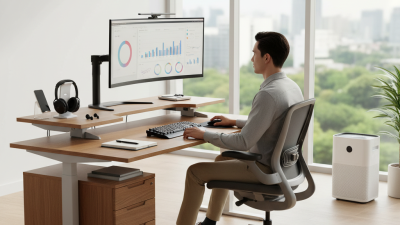
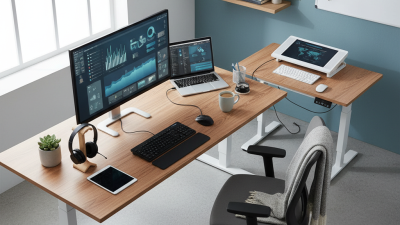
In 2026, ergonomic workspace innovations will play a crucial role in enhancing workplace productivity. A recent study indicates that 73% of employees report improved concentration when using ergonomic furniture. Adjustable desks, for instance, promote movement. This flexibility can lead to better blood circulation and less fatigue. A well-designed workspace can directly influence job satisfaction, leading to higher productivity levels.
Lighting is another key factor. Research suggests that natural light can improve mood and energy levels by up to 20%. Many offices are adapting by installing larger windows and using smart lighting solutions. However, not every company is equipped for these changes, leaving some employees in poorly lit areas. This inconsistency can hinder focus and creativity.
Noise levels in offices also demand attention. Open spaces can become overwhelming. According to a report, 54% of employees struggle to concentrate in noisy environments. Companies should consider soundproofing areas or providing noise-cancelling options. A quiet corner can greatly improve focus and efficiency. These innovations require investment and careful planning, but the payoff is significant.
Sustainable Office Practices for a Productive Environment
Creating a sustainable office environment is vital for boosting productivity. In 2026, companies should adopt eco-friendly practices. This not only enhances employee well-being but also improves overall efficiency.
One practical tip is implementing a paperless system. Use digital documents and cloud storage. Not only does this reduce waste, but it also saves time. Employees can access files quickly, streamlining their tasks. Consider regular workshops on digital tools, fostering a culture of innovation. Remember, not everyone is tech-savvy; some may struggle with the transition.
Encouraging green commuting can be another effective solution. Offer incentives for employees who bike, walk, or use public transport. It not only reduces the carbon footprint but also promotes health. Team members may initially resist changing their routines. Patience is essential here. Create a supportive atmosphere that values sustainability.
Incorporating plants into the office design can boost mood and air quality. Research shows that greenery enhances creativity. However, keeping plants alive can be a challenge. It requires regular attention and care. Staff can take turns caring for plants, building camaraderie while reflecting on this responsibility.