In the rapidly evolving world of work, effective office solutions have become essential for boosting productivity and efficiency. Renowned office consultant, Jane Adams, once stated, "The right tools transform how we work." Her insight underscores the need for innovative strategies that cater to modern workplace demands.
Today's offices face unique challenges. Many teams struggle with communication and collaboration. Distracting environments hinder focus and creativity. However, the right office solutions can address these issues head-on. From ergonomic furniture to cutting-edge technology, the choices are plentiful. Investing in features like smart boards or flexible workstations can significantly enhance both individual and team performance.
It's important to consider the individual needs of employees. What works for one group may not suit another. The quest for the perfect office solutions often leads teams to rethink existing setups. Reflection is key. Evaluating what's working—and what's not—can pave the way for transformative improvements. Ask yourself: Are we truly maximizing our potential? The 2026 landscape will challenge all of us to rethink and optimize our work environments.
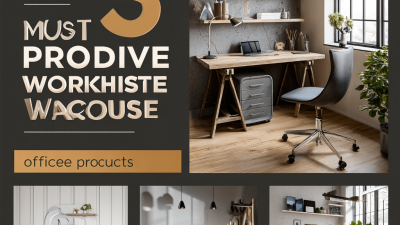
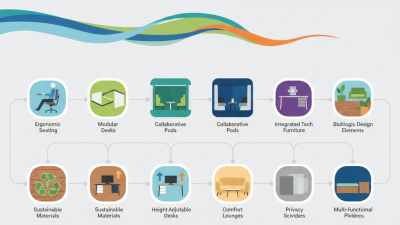
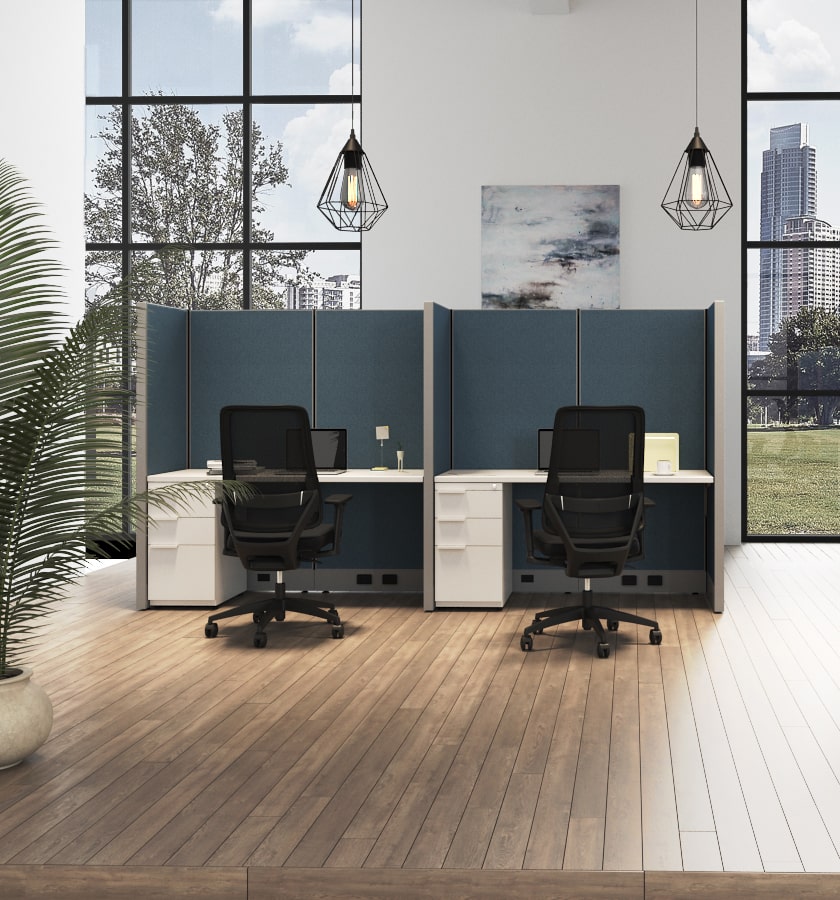
In today's fast-paced work environment, innovative office furniture plays a key role. This furniture not only maximizes comfort but also enhances focus. Consider ergonomic chairs that support your back while promoting good posture. A well-designed workspace can reduce fatigue and distractions.
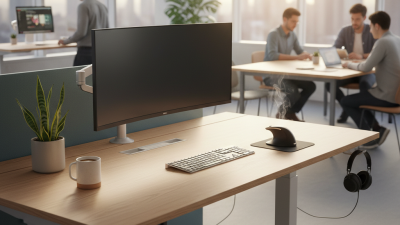
When choosing office furniture, think about functionality. Adjustable desks allow you to switch between sitting and standing. This flexibility can keep your energy levels up. A clutter-free desk also helps maintain focus. Organizers can reduce chaos, making it easier to find essential tools.
Tips: Invest in acoustic panels to minimize noise distractions. They can improve concentration in open spaces. Don’t forget about lighting. Natural light is best, but adjustable task lighting can also help with focus. Consider your color scheme, too. Calming colors can create a more peaceful work atmosphere. Reflect on your current setup. What isn’t working? Adjustments can lead to a more productive environment.
Effective communication is vital in today’s workplaces. Teams often struggle with clarity. Misunderstandings occur due to missed emails or unclear messaging. With the right technology tools, these issues can be minimized. Instant messaging and video conferencing platforms have transformed how colleagues interact. They allow for real-time discussions, fostering collaboration in ways traditional emails cannot.
Empowering teams with integrated communication systems can significantly enhance productivity. These tools can consolidate chats, emails, and video calls into a single interface. It simplifies access to information and reduces the time wasted switching between platforms. However, this reliance on technology can lead to its own problems. Overdependence may cause stress or confusion when platforms fail. Teams must remain adaptable and not overly reliant on any single tool.
Moreover, fostering a culture that values direct communication is essential. In a world of digital messages, face-to-face interactions should not be forgotten. Regular check-ins and feedback sessions encourage open dialogue. They provide the opportunity for reflection on communication effectiveness. Balancing technology and human connection can promote a more productive environment. Embracing tools while keeping communication authentic is key to long-term success in any office.
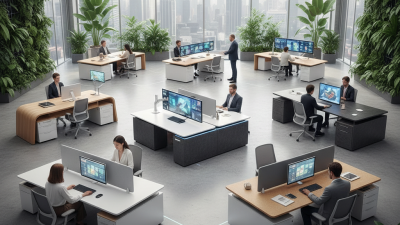
Flexible workspaces are becoming essential in modern office design. They encourage creativity and enhance productivity. Open areas paired with quiet zones allow employees to choose where to work. This autonomy can lead to increased satisfaction. Yet, it’s not always perfect.
Transitioning to flexible spaces can create challenges. Noise from collaborative zones can be distracting. Some workers may feel lost without a defined workspace. Others might miss the structure of traditional offices. This brings a need for balance. Offices must consider how to create designated quiet areas. Clear boundaries help manage noise and focus.
Another concern lies in the layout. Poorly designed spaces can lead to clustering. Not everyone prefers the same environment. A one-size-fits-all approach won't work. While flexible spaces are appealing, they must also accommodate individual needs. Reflection and adaptation will be crucial as organizations navigate this new landscape.
Automation and AI-driven solutions are changing the landscape of office productivity. Many teams now leverage these technologies to streamline daily tasks. For instance, automated workflows reduce manual data entry and minimize errors. This allows employees to focus on higher-level projects. However, automation can also lead to a dependency on technology. When systems fail, it throws off the entire workflow.
AI tools assist in better decision-making. They analyze data faster and more accurately than any human. This can greatly enhance efficiency. However, relying solely on AI poses risks. Not all data interpretations are accurate. A nuanced understanding of complex situations remains essential. Implementing these solutions requires careful balance.
Revamping workflows with these innovations brings challenges. Change can meet resistance among staff. Training becomes crucial. People must learn how to adapt to new systems. Without proper guidance, productivity may actually decline. Creating a culture of continuous learning helps. Employees must feel supported as they navigate these changes.
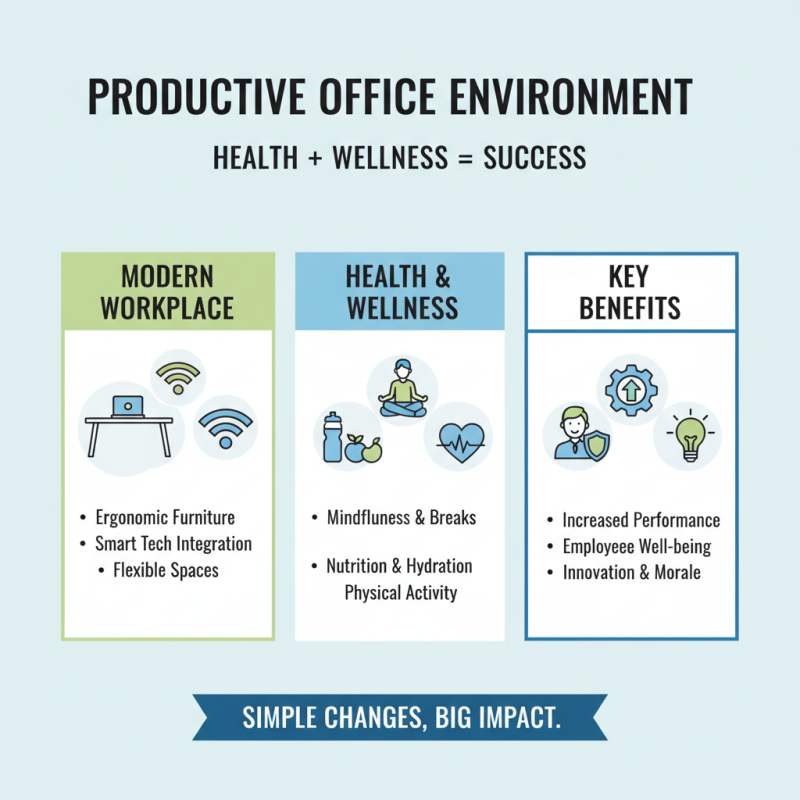
Creating a productive office environment is more than just having modern furniture and technology. It's about integrating health and wellness initiatives. This approach boosts performance and helps employees feel valued. Simple changes can lead to significant improvements.
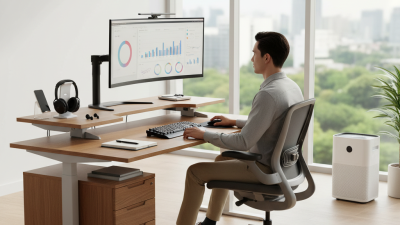
Consider incorporating standing desks. They allow for movement throughout the day. Regular movement can reduce fatigue and enhance focus. You might also want to establish quiet areas for relaxation. This space can be a retreat for employees to recharge.
Encourage healthy eating habits. Offer nutritious snacks in the break room. Hydration stations promote drinking water. These small adjustments can foster a healthier mindset. Remember, a sound mind supports efficiency. Regular breaks for stretching can also be beneficial. They relieve tension and improve circulation. Overall, a balanced approach to health and wellness creates an engaging workplace.
Fast, modern and
At your fingertips
Tremain´s Blaze fast program
Was created for customers
That need product FAST!
Download catalog
Blaze Catalog