Why Choose Smart Office Solutions for Your Business?

Modern businesses are rethinking how offices support people, operations, and long-term growth. A quiet room, responsive lighting, and reliable video conferencing can change an ordinary workday. These details affect concentration, communication, and employee comfort.

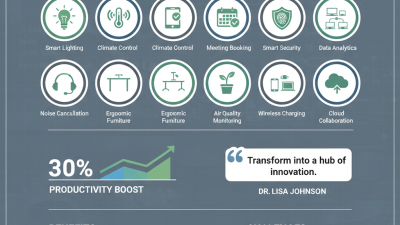
Smart office solutions connect workplace technology with practical business needs. Sensors can adjust lighting when sunlight shifts across a desk. Occupancy data can reveal underused meeting rooms. Integrated access systems can improve convenience while supporting responsible security practices. Workplace strategist Andrew Mawson has described the workplace as “a strategic tool that can be used to achieve business goals.” His view reflects an important point: technology should serve a clear purpose, not simply look impressive.

The strongest approach begins with observation. Managers should study energy use, staff routines, privacy expectations, and recurring workplace frustrations. A company may need better room scheduling, while another may benefit more from indoor air monitoring. Small improvements often create visible results. Employees notice.

Yet smart office solutions are not a magic fix. Poor implementation can create confusing interfaces, unnecessary costs, or concerns about data handling. That risk deserves attention. Businesses need experienced suppliers, transparent policies, secure systems, and regular performance reviews. They should also ask whether every feature genuinely improves work.

When chosen carefully, smart office solutions can make workplaces more adaptable, efficient, and human-centered. The goal is not an office filled with gadgets. It is a workplace that responds intelligently, supports informed decisions, and remains useful as business needs change.

Why Choose Smart Office Solutions for Your Business?

What Is a Smart Office? IoT, AI, Cloud, and Connected Building Systems

Why Choose Smart Office Solutions for Your Business?

A smart office connects everyday systems through IoT sensors, cloud platforms, and building controls. Sensors can track room occupancy, temperature, air quality, and energy use in real time. Connected lighting and heating systems then adjust settings based on actual demand. The office feels more responsive. It also wastes less energy.

AI adds another layer of practical support. It can identify meeting rooms that stay empty, detect unusual equipment patterns, and suggest better maintenance schedules. Managers can view this information through a secure cloud dashboard instead of checking separate systems. From my experience, clear data helps teams make faster decisions. However, useful results depend on accurate sensors and well-organized data.

Small trials often reveal unexpected problems. A motion sensor may misread a quiet worker as an empty room. Staff may also resist automatic changes when controls feel confusing. Manual options still matter. Businesses should review access permissions, data retention, system compatibility, and employee feedback before expanding. Reliable installation and regular testing are essential. Smart buildings are not automatically intelligent; they require thoughtful design, human oversight, and ongoing adjustment.

Why Choose Smart Office Solutions for Your Business?

What Is a Smart Office? IoT, AI, Cloud, and Connected Building Systems

Smart office systems use IoT sensors, AI analytics, cloud platforms, and connected building controls to monitor and optimize lighting, heating, cooling, ventilation, occupancy, and equipment. This is especially relevant because buildings represent a significant share of global energy demand and emissions.

Source: International Energy Agency (IEA), global buildings sector indicators. Values are rounded estimates for the buildings sector.

Why Energy Matters: Buildings Use 30% of Global Final Energy (IEA)

Why Choose Smart Office Solutions for Your Business?

Buildings consume around 30% of global final energy, according to the International Energy Agency (IEA). That figure makes office efficiency a business issue, not merely an environmental concern. An empty meeting room can still run lights, ventilation, and cooling for hours. Small waste becomes expensive across thousands of workdays.

Smart office solutions connect occupancy sensors, lighting controls, heating, ventilation, and air-conditioning systems. They can reduce unnecessary operation and reveal unusual energy patterns. The IEA’s Energy Efficiency 2023 report identifies efficiency as a major tool for reducing energy demand and operating costs. In practice, a facility manager can compare energy use by floor, adjust temperature zones, and investigate equipment that runs overnight.

The hard truth is less tidy. Technology cannot repair poor maintenance or careless settings. A dashboard alone changes nothing. The U.S. Department of Energy reports that commercial buildings often waste energy through simultaneous heating and cooling, outdated controls, and inefficient schedules. Better results require measured data, trained staff, and regular review. Some savings estimates may also look impressive before real occupancy patterns are understood. That is why responsible planning should begin with a baseline, transparent performance targets, and monthly verification. A quieter office, fewer empty-room loads, and steadier indoor temperatures provide practical evidence that the system is working.

Why Choose Smart Office Solutions for Your Business? - Why Energy Matters: Buildings Use 30% of Global Final Energy (IEA)
Energy and Business Dimension Verified Global Indicator Why It Matters for Businesses Smart Office Opportunity Reference
Buildings’ share of global final energy Approximately 30% Buildings are one of the largest energy-consuming sectors worldwide, making operational efficiency a major business priority. Use connected energy meters, automated scheduling, and centralized monitoring to identify unnecessary consumption. International Energy Agency (IEA), Buildings sector overview
Buildings’ share of global energy-related emissions Approximately 26% from building operations in 2022 Reducing electricity and fuel consumption can lower operational emissions while supporting environmental targets. Integrate energy dashboards with heating, ventilation, air-conditioning, lighting, and occupancy systems. IEA, Global Buildings Sector, 2022
Building construction and operations combined Approximately 37% of global energy-related emissions The full building lifecycle creates a significant opportunity for companies to improve both operating performance and long-term asset value. Adopt digital building management, retrofit planning, and performance-based maintenance. UN Environment Programme and Global Alliance for Buildings and Construction, 2022
Global building floor area growth Expected to nearly double by 2060 from 2020 levels More floor space means that inefficient building systems could create rising energy costs for decades. Design scalable controls and data platforms that can manage additional workspaces without proportional increases in energy use. IEA, Tracking Buildings, 2023
Space cooling demand Projected to more than triple by 2050 under stated policies Rising temperatures and expanding cooling access may increase peak electricity demand and operating expenses. Apply occupancy-based temperature control, automated setpoints, fault detection, and demand-response strategies. IEA, The Future of Cooling, 2018
Lighting efficiency potential Lighting controls can reduce lighting energy use by 20% to 60%, depending on application Lighting is often used in empty or underused spaces, creating avoidable energy consumption. Combine occupancy sensors, daylight harvesting, dimming, and automated operating schedules. U.S. Department of Energy, Commercial Lighting Controls
Energy performance visibility Continuous measurement enables faster detection of abnormal consumption Unexpected equipment operation, scheduling errors, and maintenance issues can remain unnoticed when data is reviewed only monthly. Use real-time alerts, energy-use baselines, trend analysis, and automated reporting for facility teams. U.S. Department of Energy, Building Energy Data and Analytics guidance
Occupant comfort and productivity Indoor environmental quality is influenced by temperature, ventilation, lighting, and air quality Energy reduction should not compromise employee comfort, health, or workplace usability. Monitor indoor air quality, temperature, humidity, and occupancy while adjusting systems according to actual demand. World Health Organization, WHO Guidelines for Indoor Air Quality
Operational decision-making Energy data can be connected with occupancy and equipment status Understanding when, where, and why energy is used helps organizations prioritize investments and verify results. Create integrated dashboards that combine energy, space utilization, maintenance, and environmental data. IEA, Digitalisation and Energy System Efficiency research
Note: Global indicators are rounded figures reported by the referenced international organizations. Actual energy savings depend on building type, climate, equipment condition, occupancy patterns, control settings, and implementation quality.

How Flexibility Drives Demand: 73% Want Remote Options (Microsoft, 2023)

Why Choose Smart Office Solutions for Your Business?

A 2023 workplace survey found that 73% of employees wanted remote options. This demand is changing how businesses plan their offices. Smart office solutions support people across different locations and working hours. Employees can reserve desks, join meetings remotely, and access shared files securely. Managers can also view room usage and reduce wasted space. A quiet home office and a busy headquarters should still feel connected.

Flexibility is not only about working from home. It includes adjustable lighting, movable workstations, reliable video equipment, and simple access controls. In practical workplace projects, small improvements often matter most. A meeting room with clear audio can prevent repeated calls and missed decisions. However, technology alone cannot fix poor communication. The 73% figure is persuasive, but it should not become a universal rule. Some teams need daily collaboration, while others need privacy. Our assumptions may be wrong.

Tips: Ask employees how they actually work before buying equipment. Test one flexible zone first. Measure desk use, meeting quality, and support requests. Keep backup procedures for outages. Train staff with short, realistic demonstrations. Review the results after thirty days, then adjust the layout or tools. Simpler is often better.

Which Benefits Matter: Efficiency, Experience, Security, and Sustainability

Smart office solutions can turn scattered workplace tasks into a clearer daily rhythm. Occupancy sensors show which rooms are genuinely used, reducing empty bookings and wasted energy. Automated lighting can respond to daylight, movement, and working hours. In practice, this may save minutes repeatedly, rather than producing one dramatic improvement. Those small gains matter when teams manage meetings, visitors, and shared equipment.

The employee experience also changes. A simple room display prevents awkward door checks during busy mornings. Mobile access can reduce queues, but convenience must not weaken security. Strong identity controls, encrypted connections, and regular access reviews help protect sensitive information. Sustainability requires more than installing sensors. Heating, cooling, and lighting should match real occupancy, while equipment should be maintained instead of replaced too quickly. I have seen efficient systems create frustration when staff receive little training. That is an uncomfortable, but important, design failure.

Tips: Start with one floor or department. Measure energy use, room availability, and support requests before making changes. Ask employees what interrupts their work most often. Keep a manual option for outages or incorrect sensor readings. Review access permissions regularly, and question whether every collected data point is truly necessary.

How to Implement Smart Offices: Pilot, Integrate, Measure, and Scale

Smart office solutions can improve comfort, energy control, and daily decision-making. However, implementation should begin with a focused pilot, not a costly building-wide conversion. Select one floor or meeting zone. Add occupancy sensors, indoor air monitors, and desk-booking data. Observe real behavior for eight to twelve weeks. A conference room may show high booking demand but remain empty for half the day. That detail matters.

Measure before changing anything. Record energy use, room utilization, fault reports, employee comfort, and maintenance time. The International Energy Agency reports that buildings consume about 30% of global final energy and create roughly 26% of energy-related emissions. The U.S. Department of Energy also reports that occupancy-based lighting controls can reduce lighting energy use by 10% to 90%, depending on conditions. Results vary. That is why local evidence beats attractive promises.

Integration should follow the pilot. Connect lighting, ventilation, access, and workplace applications through secure, interoperable systems. Avoid isolated dashboards. They create more work. Set clear targets, such as a 15% reduction in after-hours energy use or fewer unresolved comfort complaints. Review the data monthly with facilities staff and employees. Some sensors will be misplaced. Some users will ignore new processes. That is normal, but it needs correction. Scale only after the pilot proves measurable value, acceptable privacy practices, and manageable maintenance costs. Quarterly reviews can prevent a smart office from becoming an expensive collection of unused devices.