2026 Best Boardroom Furniture Types for Global Buyers
Global boardrooms are changing. So are the furniture decisions behind them.
In 2026, international buyers will evaluate boardroom furniture beyond appearance. They will examine comfort, technology integration, material durability, accessibility, and environmental documentation. A polished table can still fail when cable ports are misplaced or chairs cause fatigue after two hours. Small details matter.
Max De Pree, former Herman Miller CEO and a respected furniture-industry leader, wrote, “The first responsibility of a leader is to define reality.” That principle applies directly to boardroom planning. Buyers must define room capacity, meeting habits, cultural expectations, and maintenance resources before selecting products. A twelve-seat table may suit a private board, but it may restrict hybrid meetings in a growing global company.
This guide examines the leading boardroom furniture types for international purchasing teams. It compares executive tables, modular conference systems, ergonomic seating, media walls, storage units, and flexible meeting configurations. Each category is considered through practical use, not showroom appeal alone.
Expect careful questions. Who will assemble the furniture? Can replacement parts arrive efficiently? Will finishes withstand frequent cleaning? Are power and data features compatible with local specifications? These issues often receive too little attention.
The recommendations draw on manufacturer information, workplace design practice, and buyer-focused evaluation. Still, no universal layout exists. A beautiful arrangement may feel formal, crowded, or culturally unsuitable. That possibility deserves honest reflection.
The strongest choices balance authority with adaptability. They support clear discussion, reliable technology, and long-term comfort. They also leave room for change.
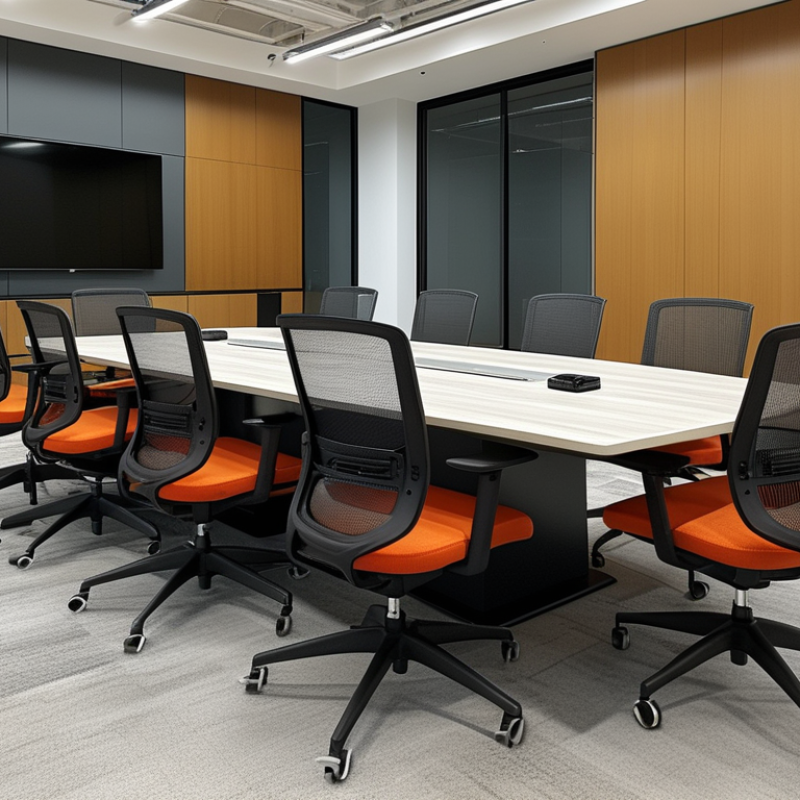
Table of Contents
[Hide]
Boardroom Furniture: Definition, Purpose, and Core Components
Boardroom furniture is the coordinated set of tables, chairs, storage, lighting, acoustic elements, and technology supports used for formal collaboration. Its purpose is practical: keep people comfortable, focused, visible, and connected during meetings. A 2024 global workplace survey by the International Facility Management Association reported continuing demand for adaptable offices as hybrid work reshapes meeting patterns. A fixed, oversized table may now waste valuable floor space.
Core components include a conference table, ergonomic seating, credenzas, cable management, power access, display equipment, and acoustic panels. Table shapes influence conversation. Rectangular tables create hierarchy, while boat-shaped or round designs improve sightlines. Chairs should support adjustable height, lumbar movement, and long-session comfort. ISO 9241-5 provides useful ergonomic guidance for workstation posture and layout. Details matter.
Tip: Specify modular tables, replaceable upholstery, and local repair options. The United Nations Environment Programme’s 2023 Global Status Report for Buildings and Construction states that buildings generate about 37% of global energy-related emissions. Furniture buyers should therefore check recycled content, durability, packaging volume, and environmental documentation. Yet sustainability claims can be vague. Ask for test methods, not attractive labels. Fit is personal. A visually impressive chair may still feel uncomfortable after ninety minutes. Leave circulation space, test samples with real users, and measure technology needs before ordering. The best boardroom is not always the largest one.
2026 Best Boardroom Furniture Types for Global Buyers - Boardroom Furniture: Definition, Purpose, and Core Components
| Furniture Type | Definition and Primary Purpose | Typical Boardroom Use | Common Capacity | Typical Dimensions | Core Components | Key Buying Criteria |
|---|---|---|---|---|---|---|
| Rectangular Conference Table | A straight-sided meeting table designed to support formal discussions, presentations, and document review. | Executive meetings, negotiations, governance sessions, and structured presentations. | 6–20 people | Length: 1.8–6.0 m Width: 0.9–1.5 m Height: about 0.74 m |
Tabletop, frame or panel base, cable ports, modesty panels, and optional power modules. | Legroom, cable management, surface durability, installation access, and room proportions. |
| Boat-Shaped Conference Table | A table with gently curved long edges that improves sightlines toward the center and accommodates wider screen placement. | Hybrid meetings, board presentations, and rooms requiring clear participant visibility. | 8–24 people | Length: 2.4–6.0 m Width: 1.2–1.8 m Height: about 0.74 m |
Curved tabletop, central or end bases, integrated cable routing, and connectivity outlets. | Viewing angles, central clearance, monitor placement, stability, and tabletop edge comfort. |
| Racetrack Conference Table | A rectangular table with rounded ends, combining efficient seating with softer circulation paths. | Large boardrooms, committee meetings, and multipurpose conference spaces. | 10–30 people | Length: 3.0–7.2 m Width: 1.2–1.8 m Height: about 0.74 m |
Rounded tabletop, modular bases, cable channels, power access, and optional wire-management panels. | Seating density, rounded-corner safety, modular shipping, reconfiguration, and load capacity. |
| Boat-Shaped Modular Table | A segmented conference system that can be assembled, expanded, or reconfigured according to room and meeting needs. | Organizations with changing team sizes or multiple meeting-room layouts. | 8–36 people | Module length: 1.2–2.4 m Overall width: 1.2–1.8 m Height: about 0.74 m |
Interlocking tops, shared bases, linking hardware, cable management, and replaceable components. | Joint alignment, expansion options, transport efficiency, replacement parts, and installation time. |
| Round Meeting Table | A circular table that gives participants relatively equal visual presence and supports collaborative conversation. | Small board meetings, advisory discussions, interviews, and confidential conversations. | 4–10 people | Diameter: 1.0–2.4 m Height: about 0.74 m |
Round tabletop, pedestal or four-leg base, optional central cable outlet, and protective edge treatment. | Base clearance, seating comfort, room circulation, stability, and accessibility. |
| Boat-Shaped Executive Table | A premium-scale table with curved sides, designed to combine formal presence, communication visibility, and integrated technology. | Senior leadership meetings, high-level presentations, and formal decision-making sessions. | 8–18 people | Length: 2.4–5.4 m Width: 1.2–1.8 m Height: about 0.74 m |
High-quality tabletop, robust base, concealed cable pathways, power modules, and optional monitor support. | Finish consistency, structural rigidity, technology integration, maintenance, and delivery planning. |
| Conference Chair | A supportive chair intended for extended seated meetings while maintaining a professional appearance. | Boardrooms, negotiation rooms, executive offices, and formal training spaces. | One user | Seat height: about 0.42–0.52 m Overall width: about 0.50–0.70 m |
Seat shell, backrest, upholstery, armrests, base, casters or glides, and height mechanism where applicable. | Ergonomic support, seat dimensions, cleanability, fire requirements, stacking or mobility, and warranty support. |
| Executive High-Back Chair | A taller-backed chair that provides enhanced upper-back support and a visually authoritative position at the table. | Leadership seating, long-duration meetings, and formal executive boardrooms. | One user | Seat height: about 0.44–0.55 m Overall height: about 1.0–1.3 m |
High backrest, padded seat, armrests, synchronized mechanism, five-star base, and casters. | Adjustability, lumbar support, upholstery performance, floor compatibility, and long-term component serviceability. |
| Credenza and Sideboard | A low storage unit used to organize meeting materials, refreshments, equipment, and small office supplies. | Storage along boardroom walls and support for presentation equipment. | Room support | Length: 1.2–2.4 m Depth: 0.40–0.60 m Height: 0.70–0.90 m |
Cabinet body, adjustable shelves, doors or drawers, cable openings, and optional lockable compartments. | Storage capacity, ventilation, locking, cable access, wall clearance, and finish durability. |
| Lectern or Presentation Podium | A standing presentation station that provides a stable location for notes, microphones, and presentation controls. | Formal presentations, shareholder meetings, public briefings, and training sessions. | One presenter | Width: about 0.55–0.80 m Depth: about 0.45–0.65 m Height: about 1.05–1.20 m |
Reading surface, support column, equipment shelf, cable routing, microphone provision, and storage. | Standing comfort, stability, sightline impact, technology access, mobility, and accessibility provisions. |
| Mobile Folding Table | A movable table with a foldable or nesting structure that supports rapid room conversion and storage efficiency. | Flexible boardrooms, training rooms, workshops, and temporary meeting layouts. | 2–8 people per unit | Length: 1.2–1.8 m Depth: 0.60–0.75 m Height: about 0.74 m |
Folding tabletop, locking mechanism, wheels or nesting legs, modesty panel, and linking accessories. | Lock safety, rolling performance, nesting footprint, surface resistance, and ease of reconfiguration. |
| Boardroom Storage and Technology Wall | An integrated wall-based system that combines storage, display support, acoustic treatment, and concealed connectivity. | Technology-focused boardrooms requiring clean sightlines and organized equipment management. | Room support | Depth: about 0.35–0.60 m Height: 2.1–2.7 m Width: according to wall length |
Base cabinets, display backing, acoustic panels, ventilation, cable pathways, and equipment compartments. | Heat dissipation, service access, wall loading, acoustic performance, display size, and local installation requirements. |
Dimensions are typical planning ranges for commercial interiors. Final specifications should be checked against local accessibility rules, fire regulations, electrical requirements, room clearances, and the selected furniture construction.
Related Posts
-
Essential Guide to Top Boardroom Furniture in China
-
Best Boardroom Furniture Trends for 2026 What to Know?
-

Who Makes the Best Boardroom Furniture in China?
-
How to Choose Corporate Furniture That Boosts Productivity?
-
Why Choosing the Right Office Work Table Can Boost Your Productivity
-
Top 10 Corporate Furniture Trends to Transform Your Office Space