Essential Guide to Top Boardroom Furniture in China
In recent years, the demand for high-quality boardroom furniture in China has surged. The office furniture market is expected to grow significantly, with a projected value of $14.5 billion by 2025. This growth highlights the importance of selecting the right furniture for boardrooms to enhance productivity and foster collaboration.
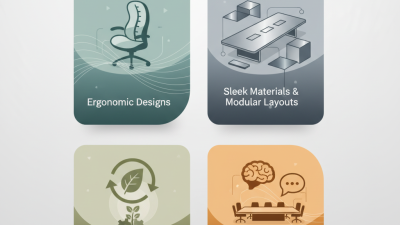
Choosing the appropriate boardroom furniture involves more than aesthetics. It impacts employee comfort and meeting efficiency. Ergonomic designs can reduce fatigue, which is crucial for long meetings. Reports indicate that well-designed workspaces can increase employee satisfaction by up to 33%. However, many companies still overlook these factors, resulting in suboptimal boardroom experiences.
Furthermore, sustainability is becoming a key consideration. Many businesses are prioritizing eco-friendly materials. This shift is evident as 60% of consumers prefer companies that utilize sustainable products. As decision-makers assess options, they must reflect on these trends. A balance between style and functionality is essential for modern boardroom environments. Thus, companies need a strategic approach to their boardroom furniture selections.
The Evolution of Boardroom Furniture Design Trends in China
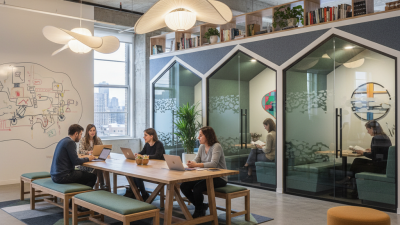
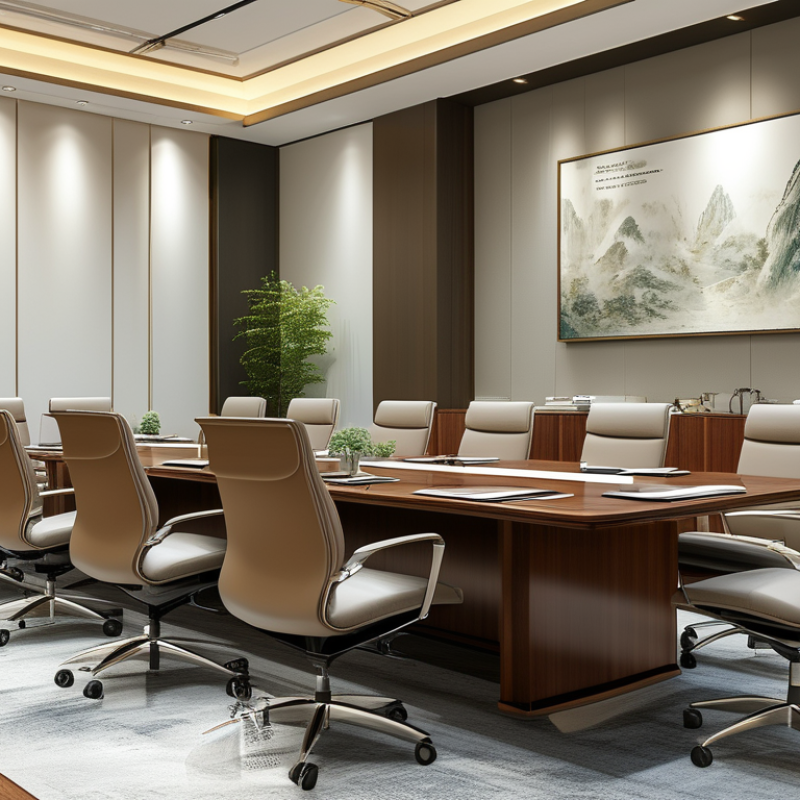
The design of boardroom furniture in China has undergone significant changes over the years. Traditionally, wooden conference tables were predominant, emphasizing a sense of formality and authority. Today, a blend of modern materials and minimalist designs is gaining popularity. Metal accents and glass surfaces now reflect a more collaborative environment. Functionality has become just as important as aesthetics.
Innovative designs emphasize flexibility. Modular furniture allows for quick adjustments. This adaptability supports various meeting styles, including brainstorming sessions or formal presentations. Ergonomic chairs are also on the rise, promoting comfort and productivity during extended meetings. Still, some companies struggle to balance style with practicality.
Sustainability has emerged as a key concern in boardroom furniture choices. Many organizations are now opting for furniture crafted from recycled or eco-friendly materials. Yet, this shift often leads to compromises in durability. Furthermore, while embracing trends, some companies may overlook the unique culture of their organization. These evolving design trends reflect a broader shift in workplace dynamics across China, indicating a need for continuous reflection.
Evolution of Boardroom Furniture Design Trends in China
Key Materials Used in High-Quality Boardroom Furniture Manufacturing
In the manufacturing of high-quality boardroom furniture in China, materials play a critical role. Wood remains a top choice. It offers durability, aesthetics, and warmth. According to a 2022 report by the China Furniture Association, around 65% of boardrooms favor solid wood for tables and chairs. This material, when sourced sustainably, reflects a commitment to environmental responsibility, which is increasingly valued in corporate settings.
Metal is another popular option. It adds a sleek, modern touch to furniture design. Many manufacturers blend metal with wood, achieving a balance of strength and style. Recent studies indicate that 30% of boardroom furniture incorporates metal components, enhancing longevity while maintaining an elegant appearance.
Yet, it's essential to discuss the potential drawbacks of these materials. Solid wood can be susceptible to warping, particularly in humid climates. Metal, while sturdy, may require innovative finishes to prevent corrosion. This combination of beauty and practicality raises important questions about manufacturing practices. The choice of quality materials can impact a company's image and workplace culture significantly. Thus, understanding material properties is critical for any organization investing in its boardroom environment.
Essential Guide to Top Boardroom Furniture in China - Key Materials Used in High-Quality Boardroom Furniture Manufacturing
| Material |
Description |
Durability |
Cost Range (per unit) |
| Solid Wood |
Highly durable and offers a classic appeal. |
20-30 years |
$200 - $1000 |
| MDF (Medium Density Fiberboard) |
Affordable and can be shaped and painted easily. |
10-15 years |
$100 - $400 |
| Glass |
Provides a modern aesthetic and is easy to clean. |
5-10 years |
$150 - $600 |
| Steel |
Extremely durable and offers a sleek look. |
30+ years |
$250 - $800 |
| Leather |
Provides comfort and a luxurious feel. |
15-20 years |
$300 - $1200 |
Market Analysis: Leading Brands and Their Product Offerings in China
The boardroom furniture market in China is evolving rapidly. Recent market analysis reveals significant growth potential. According to a report by Market Research Future, the sector is expected to grow by 8.5% annually. This growth is driven by increasing corporate investments and the trend toward modern office designs.
Leading brands in the market focus on innovation. They emphasize ergonomic designs and sustainable materials. A survey by Statista shows that 52% of companies prioritize furniture that enhances employee well-being. However, many brands struggle to balance aesthetics with functionality.
Customization is also a key trend. Clients desire unique solutions that reflect their brand identity. Yet, many manufacturers face challenges in meeting these diverse needs. The complexity of production processes can lead to delays. Space constraints in urban areas further complicate logistics. As companies adapt, the demand for practical, stylish boardroom furniture remains critical.
Ergonomics in Boardroom Furniture: Importance and Impact on Productivity
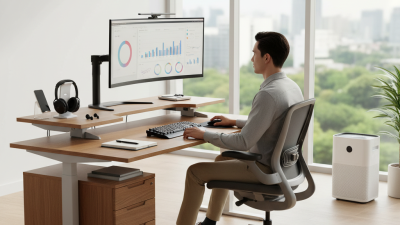
In today's corporate environment, the role of ergonomics in boardroom furniture cannot be overstated. Research suggests that ergonomic furniture can reduce workplace stress and enhance productivity by up to 20%. This is crucial in boardrooms where decisions are made and strategies are developed. Comfort affects focus and engagement during meetings. Poor seating can lead to distractions and discomfort, hindering outcomes.
Investing in quality boardroom furniture that prioritizes ergonomics is essential. The average employee spends over six hours a day in meetings. Chairs should support the spine, allowing for better posture. Tables must accommodate collaboration while ensuring all participants are comfortable. Features like adjustable height and adequate legroom are vital. A well-designed boardroom can foster creativity and communication.
Tip: Always consider the specific needs of your team when selecting furniture. Conduct surveys to gather feedback on preferred styles and arrangements. Another tip is to invest in materials that are easy to clean and maintain. This ensures longevity and keeps the space inviting. Remember, a well-furnished boardroom is not just about aesthetics, but a commitment to enhancing productivity and wellbeing.
Sustainability Practices in the Chinese Boardroom Furniture Industry
Sustainability is now a priority in the Chinese boardroom furniture industry. Many manufacturers are shifting towards eco-friendly practices. This transition reflects a growing awareness of environmental impact. They are investing in sustainable materials. Bamboo, reclaimed wood, and recycled metals are becoming popular choices. These materials reduce carbon footprints and promote biodiversity.
However, the journey toward sustainability is not flawless. Many companies struggle with sourcing truly sustainable materials. There are still considerable challenges regarding manufacturing processes. Eco-friendly methods often come with higher costs. Some businesses prioritize profit over sustainability. This conflict can hinder the overall goal of eco-consciousness.
Moreover, consumer education remains essential. Many buyers are unaware of sustainable options. They may not understand the significance of eco-friendly furniture. Manufacturers need to improve transparency in their practices. Clear communication about sourcing and production is crucial. This way, consumers can make informed choices, which ultimately drives the industry toward greater sustainability.