How to Choose the Best Business Furniture for Your Office?
Choosing the right business furniture for your office is crucial. It impacts productivity, employee well-being, and brand image. According to a report by the Global Furniture Group, well-designed office environments can boost productivity by up to 20%. This statistic highlights the importance of selecting quality business furniture that fosters a functional workspace.
Moreover, the furniture industry is rapidly evolving. A survey from IBISWorld indicates that the U.S. furniture market is projected to grow at an annual rate of 2.5%. This growth reflects businesses' focus on creating inviting and efficient workplaces. However, many companies still overlook the role of furniture in their strategic planning.
Inadequate furniture choices can lead to challenges like employee discomfort and decreased morale. Poorly designed spaces may detract from collaboration. When investing in business furniture, consider ergonomic options and multifunctional pieces. These elements contribute not only to aesthetics but also to functionality. Careful consideration can transform an ordinary office into a productive hub.
Understanding Your Office Space and Needs
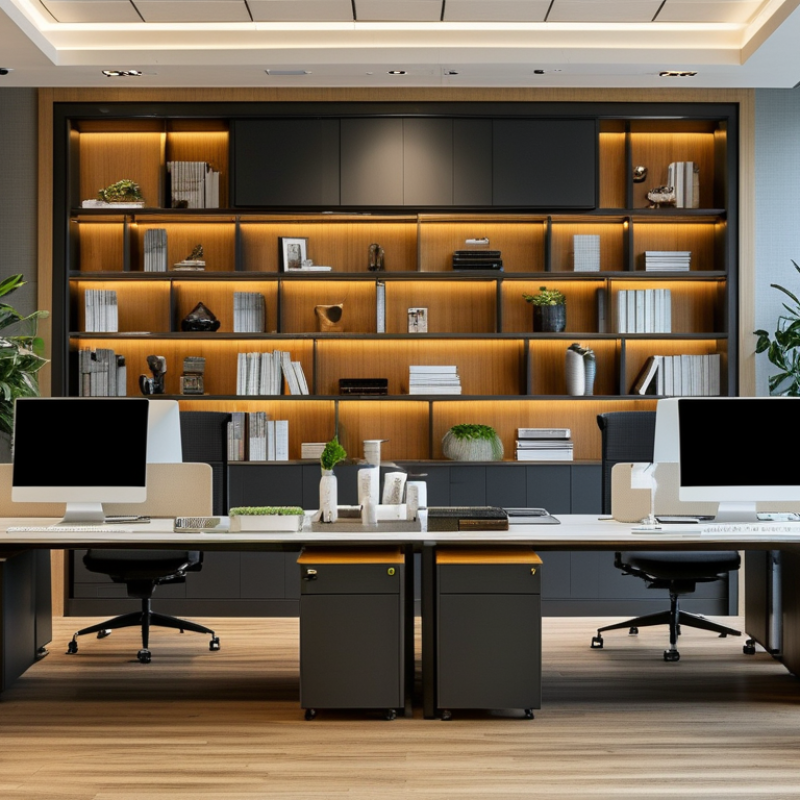
Choosing the right business furniture starts with understanding your office space and specific needs. According to a study by the International Facility Management Association, over 70% of employees are unhappy with their workspace. This dissatisfaction can affect productivity and overall morale. Ensuring your furniture supports collaboration, comfort, and focus is essential.
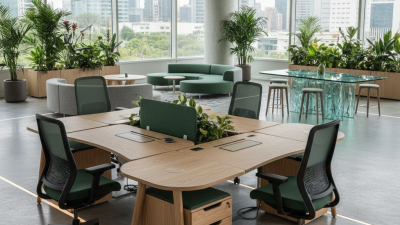
Evaluate the layout and size of your office. Open spaces may benefit from modular furniture that encourages interaction. If your office has small sections, consider ergonomic chairs and desks that maximize comfort within limited space. A survey by the Center for the Built Environment indicated that proper ergonomic furniture can increase productivity by up to 17%. This data highlights the importance of choosing pieces that suit both your environment and the work habits of your team.
Think beyond aesthetics. While style matters, functionality and durability are critical. Your furniture should cater to varying work styles, from collaborative spaces to private work areas. Consider the materials used in your furniture—aspects like maintenance and lifespan can impact long-term costs. Reflect on your business needs regularly. As your workforce grows or changes, reassessing your choices will ensure your office remains conducive to productivity and well-being.
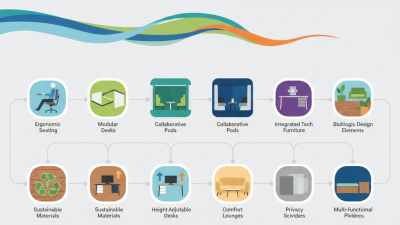
Furniture Selection Criteria for Office Spaces
Evaluating Different Types of Business Furniture
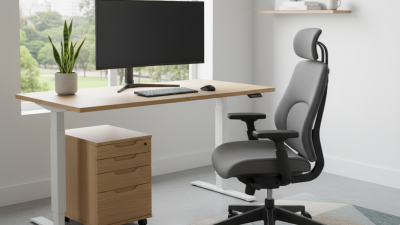
When evaluating different types of business furniture, consider functionality and comfort. Ergonomic chairs are essential. A study by the Occupational Safety and Health Administration indicates that 86% of employees experience greater productivity when using ergonomic furniture. Desks that accommodate sit-stand adjustments can also boost morale and energy levels throughout the workday.
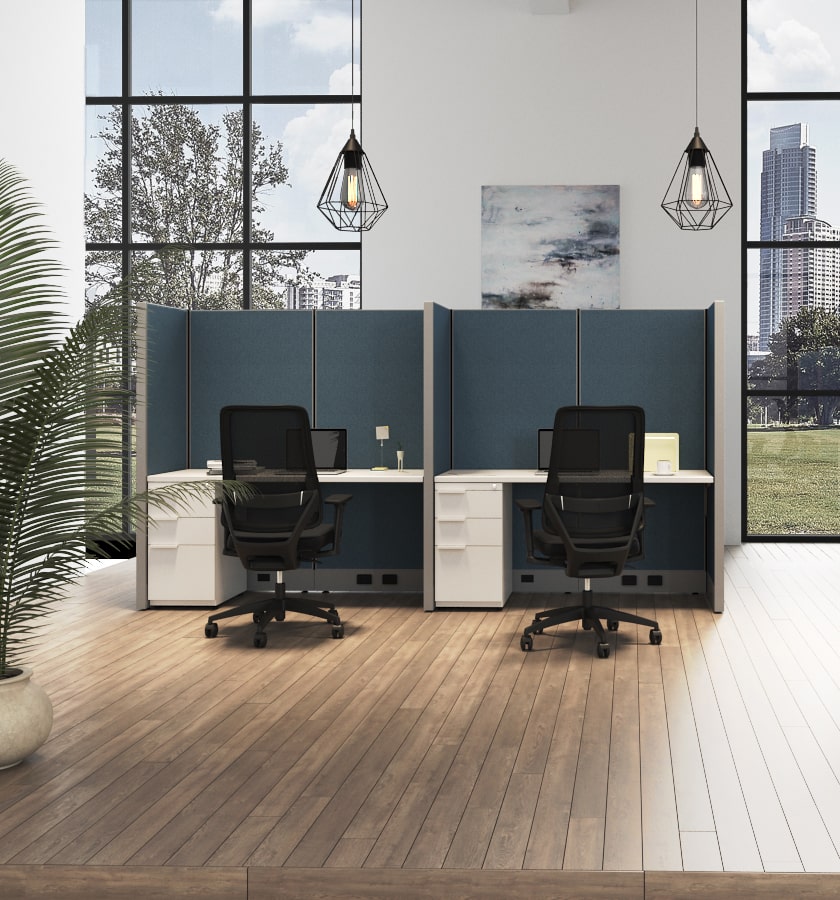
Workspaces should cater to collaboration and privacy. Open-plan desks can encourage teamwork. However, privacy booths are becoming popular. Data from a recent workplace design report shows that 60% of employees prefer having quiet spaces for focused work. Assess your team's needs before making investments.
To ensure you make the right choice, prioritize quality over aesthetics. Quality furniture can reduce replacement costs. Measure your space carefully, as poorly sized furniture can lead to clutter. This not only affects mobility but also impacts employee satisfaction. Reflect on your office layout. It should complement workflow while promoting a positive environment.
Prioritizing Comfort and Ergonomics in Furniture Selection
Selecting the right business furniture requires a focus on comfort and ergonomics. Research indicates that ergonomic furniture can reduce work-related injuries by 30%. Proper seating supports posture and decreases back pain. Employees who work comfortably are 20% more productive, according to numerous studies.
Comfortable furniture is essential for employee well-being. Adjustable chairs, desks, and supportive accessories can make a difference. Invest in chairs that offer lumbar support. Desks should be at the right height to avoid strain on wrists. It’s vital to consider the individual needs of employees. Flexibility in design allows users to modify their workspace to suit their preferences.
Pay attention to the layout of your office. Open spaces benefit from collaborative furniture, while private zones should have elements promoting focus. Evaluate how furniture choices affect the overall workflow. A well-designed office boosts morale, leading to improved output. Assessing comfort and ergonomics is not just about physical health; it influences job satisfaction. Regular feedback from employees can help refine furniture choices for better results.
How to Choose the Best Business Furniture for Your Office? - Prioritizing Comfort and Ergonomics in Furniture Selection
| Furniture Type |
Comfort Rating (1-10) |
Ergonomic Features |
Price Range (USD) |
Recommended For |
| Office Chair |
9 |
Adjustable height, lumbar support, 360-degree swivel |
150 - 800 |
All office workers |
| Standing Desk |
8 |
Height adjustable, cable management |
200 - 1000 |
Health-conscious workers |
| Conference Table |
7 |
Spacious design, integrated power outlets |
300 - 2000 |
Meeting rooms |
| Desk Accessories |
8 |
Cable organizers, monitor risers |
20 - 200 |
All office workers |
| Filing Cabinets |
6 |
Locking drawers, adjustable shelves |
100 - 800 |
Office organization |
Budgeting for Quality and Durability in Office Furniture
When selecting office furniture, budgeting for quality and durability is crucial. Cheap furniture may seem appealing, but it often leads to additional costs. Investing in high-quality pieces can save you money in the long run. It’s essential to assess how frequently each item will be used. Workstations and chairs, for example, require more durability due to daily use.
Consider the materials used in furniture construction. Solid wood, metal, and high-quality upholstery tend to last longer. Look for pieces with warranties that indicate a manufacturer's confidence in their durability. While it can be tempting to cut corners, inferior materials can lead to quicker replacements, which can disrupt your workspace and incur further expenses.
Ensure you allocate enough budget for essential items. Ergonomic chairs are a sound investment for employee health. Spacious desks combined with adequate storage also promote productivity. Keep a balance between aesthetics and function. Creating an inviting space enhances morale but don't sacrifice durability for appearance. Prioritize your needs and where to spend wisely.
Sourcing and Comparing Furniture Suppliers and Brands
When sourcing furniture suppliers for your office, consider several factors. Quality should be your top priority. Inspect the materials used and the manufacturer’s reputation. It’s easy to overlook the importance of ergonomics. A well-designed chair can prevent employee fatigue. Look for suppliers that specialize in ergonomic furniture.
Comparing brands can feel overwhelming. Start by making a list of potential suppliers. Visit their websites to gather information about their offerings. Pay attention to customer reviews and ratings. They can give you insights into the reliability of different brands. Don't forget to confirm their warranty and return policies. This protects your investment.
A visit to the showroom can reveal a lot. Seeing the furniture in person allows you to assess build quality. However, not all suppliers will have a physical location. This can make it difficult to evaluate the products. In such cases, ask for detailed samples or photographs and request references. Consider how the furniture aligns with your office’s culture and aesthetic. This reflection is crucial for creating a productive environment.