Top 10 Office Furniture Design Tips for a Productive Workspace?
Creating an effective workspace involves thoughtful office furniture design. Expert interior designer Mark B. Thompson emphasizes, "The right furniture can transform productivity." This statement highlights the crucial role of design in shaping work environments.
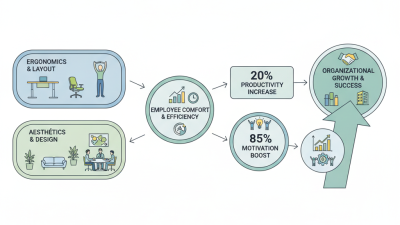
Office furniture design affects comfort and organization. A well-oriented desk encourages focus. On the other hand, a cluttered space can lead to distraction. Ergonomic chairs promote better posture, reducing fatigue. However, not all designs fit every office style or worker's preference.
It’s essential to blend functionality with style. Some offices favor minimalistic designs, while others embrace creativity. These choices can ignite inspiration or stifle it. Ultimately, the challenge lies in finding balance. Thoughtful design can boost morale, but it must cater to diverse needs. Reflecting on your workspace design regularly is necessary for lasting impact.
Understanding the Importance of Office Furniture in Productivity
Office furniture plays a crucial role in shaping a productive workspace. The right selection can significantly enhance focus and efficiency. Comfortable chairs and desks promote better posture and reduce fatigue. Adjustable furniture caters to individual preferences, allowing each person to create their ideal work environment.
Color and material choices also affect productivity. Warm tones can boost creativity, while cooler shades encourage concentration. Incorporating elements like plants brings vitality to the space, fostering a sense of wellbeing. However, overcrowded areas can lead to distraction. It's essential to balance aesthetics with functionality.
Reflecting on the workspace’s design can reveal underlying issues. Is your desk cluttered? Are distractions hindering concentration? Regularly reassessing furniture choices can help maintain an optimal environment. A productive workspace is not a static concept; it evolves with time and needs.
Office Furniture Design Tips Impact on Productivity
Choosing the Right Ergonomic Chair for Comfort and Support
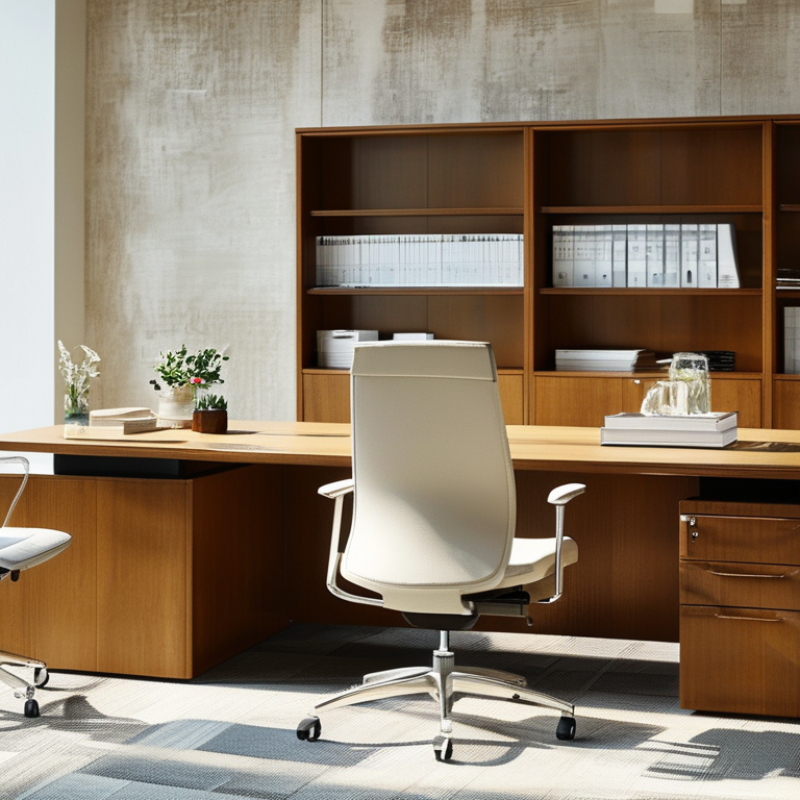
Choosing the right ergonomic chair is crucial for a productive workspace. A well-designed chair provides support and comfort during long hours of work. It should encourage a healthy posture, reducing strain on your back and neck. Look for adjustable features that can accommodate your specific body shape. Not all chairs fit every person perfectly. It is essential to find one that suits your unique needs.
Consider the material of the chair as well. Breathable fabrics promote airflow and keep you cool. A cushioned seat enhances comfort but should not be too soft, as it may lead to poor posture. Many people overlook the armrests; they can significantly impact your seating experience. Adjustable armrests alleviate shoulder tension and enhance your comfort.
Moreover, reflect on the aesthetics of the chair. It should fit your workspace style while remaining functional. Sometimes, the most stylish chairs lack necessary support. This imbalance can lead to discomfort and distraction. Investing in a quality ergonomic chair is not just about comfort; it affects your productivity and overall well-being. Prioritize functionality over looks when making your choice.
Designing Functional Workstations that Enhance Efficiency
Creating a productive workspace involves thoughtful design choices. Start with ergonomics. A comfortable chair and desk help maintain good posture. Adjustable desks can enhance flexibility, allowing transitions between sitting and standing. This small change can greatly impact focus and energy levels.
Consider color schemes and lighting. Softer colors can reduce strain and create a calm environment. Make sure you have plenty of natural light. Research indicates that natural light improves mood and productivity. Supplement with warm LED lights for those late work hours.
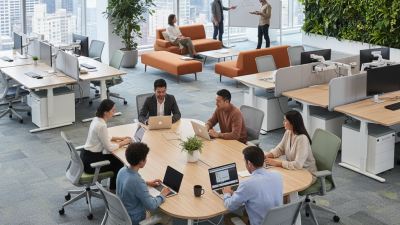
The layout of your office matters, too. Open spaces encourage collaboration, but too much noise can be distracting. Try to create quiet zones for concentrated work. Personalizing workstations can also promote a sense of ownership and comfort. A few personal items can boost morale but avoid clutter. Balancing personalization and organization requires careful thought. Create a space that fosters both creativity and practicality.
Incorporating Color Psychology for a Motivating Environment
Incorporating color psychology into your office design is a powerful way to create an environment that motivates and inspires.
Different colors can evoke distinct emotions and influences on productivity.
For instance, blues can promote calmness and focus, while yellows might spark creativity and energy.
Choosing the right hues for your workspace can significantly impact your team's efficiency.
Using color strategically throughout the office can be effective.
For example, painting an accent wall in a vibrant color can energize the space.
Natural light combined with lively colors fosters a positive atmosphere.
Consider introducing plants alongside your color choices.
Greenery adds a refreshing touch and can improve air quality.
Using these elements thoughtfully can enhance the overall vibe.
Experimenting with color in your office design is an ongoing process.
It’s important to reflect on how the colors affect both mood and productivity.
You might find certain shades that work well in theory don’t translate as effectively in practice.
Invite feedback from your team to see what resonates with them.
This collaborative approach can lead to the ideal, inspiring workspace tailored to everyone's needs.
Maximizing Space with Modular Furniture Solutions for Flexibility
Modular furniture solutions have gained popularity in modern workspaces. They provide flexibility and can be tailored to fit various office layouts. According to a study by the American Society of Interior Designers, 68% of employees believe that workspace design directly affects productivity. This highlights the importance of creating adaptable spaces to enhance employee performance.
Implementing modular furniture can significantly save space. Designers recommend using lightweight, movable pieces to create multipurpose areas. For instance, modular desks can easily reconfigure to accommodate team collaborations or individual work. This adaptability leads to a more dynamic environment. In fact, a survey by Steelcase found that 70% of employees prefer spaces that support collaboration and privacy when needed.
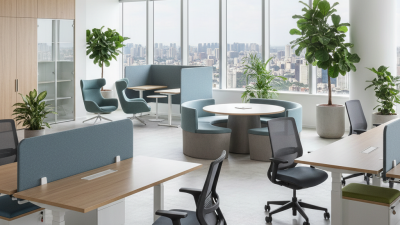
Despite these advantages, challenges may arise. Not all modular solutions will fit every office layout. There’s also the risk of employees feeling disconnected in overly flexible spaces. Companies should consider a balance between rigidity and flexibility. A thoughtful mix can lead to a harmonious work environment that promotes both collaboration and concentration. Ultimately, the goal is to create a workspace that not only looks good but also functions effectively for all employees.